Category: My Life & Positions

  • Hit Dogs Holler: Growth Requires Listening

    Hit Dogs Holler: Growth Requires Listening

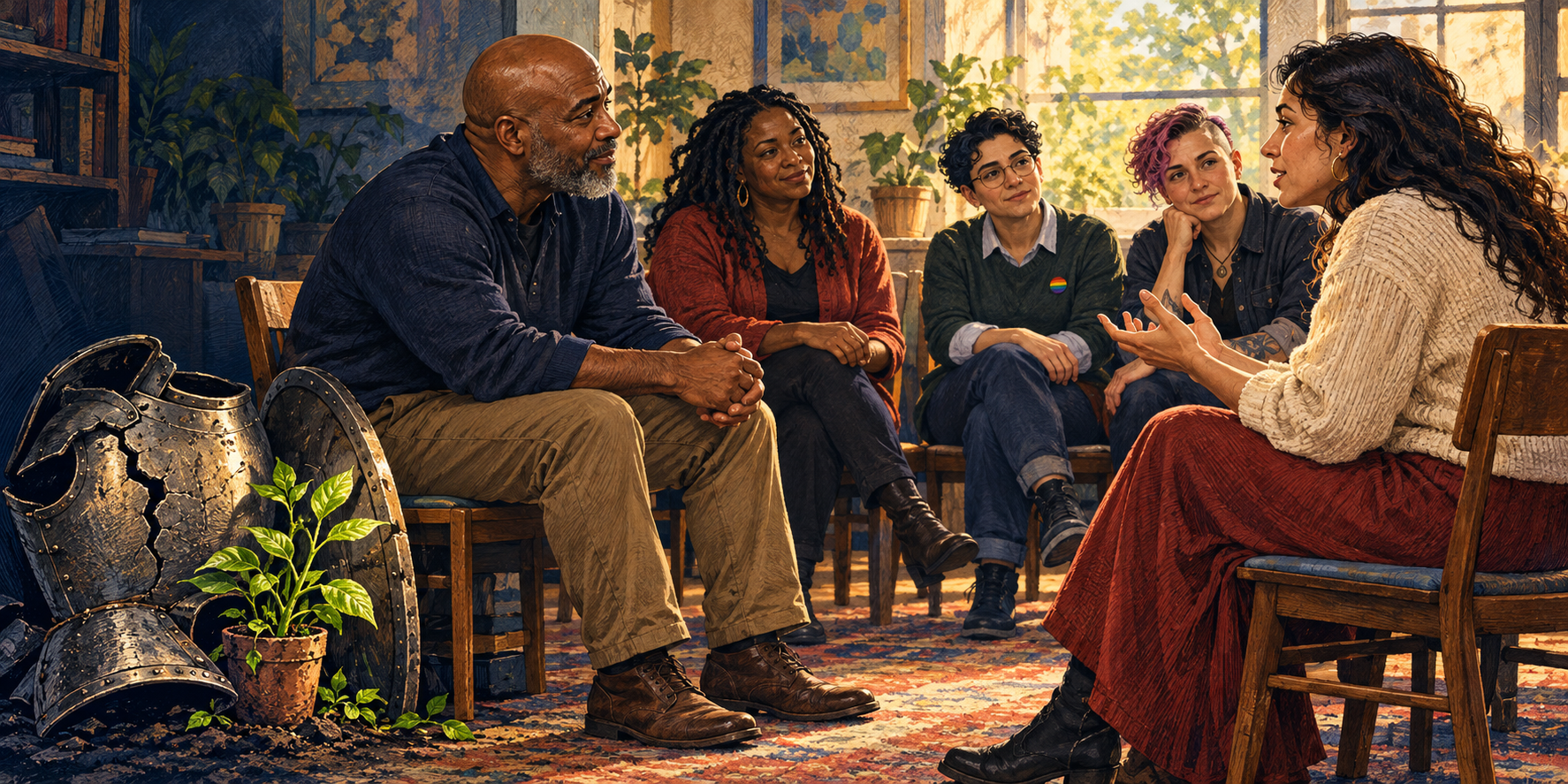
    When people in the LGBTQIA community make blanket statements about transphobia, homophobia, and other forms of bigotry against their community, and those statements are not directed specifically at me, I don’t get angry. I sit back and listen. Do I always agree? No. But I listen. I know that I have my own bigotry against the LGBTQIA community to work out.

    When women talk about rape culture and misogyny, and their comments are not directed specifically at me, I don’t get angry. I sit back and listen. Do I always agree? No. I still have much to learn, and I know I need to check my own sexism and misogyny.

    When my own people (Black people) talk about how Black people are cooning, and their comments are not directed specifically at me, I don’t get angry. I sit back and listen. Again, I don’t always agree… at first… but many times, I learn to adopt those positions. I know that I am guilty of cooning sometimes and have to check my internal anti-Black bias.

    Hit dogs holler. If you are deeply offended by a post that is not about you, to the point of being belligerent and lashing out like an angry child, maybe that is because, deep down, you know you are guilty but don’t want to grow and change. Growth and change require that we first admit there is something wrong. Growth and change require that we be willing to feel the discomfort we’ve made others feel. It requires introspection. It requires asking ourselves hard questions and accepting honest answers we don’t like. It requires that we listen to the voices of marginalized people we’ve affected in ways that go beyond hurt feelings, including acts of violence.

    I know that I am guilty of many things I don’t like. I know that I wrestle with many forms of bigotry. I was raised to be homophobic and transphobic. I was influenced to accept and participate in the exploitation of women. I was conditioned by society to believe that the White man’s ice was colder and his grass was greener. This was all programmed into me from birth and through childhood, and I’ve spent nearly a lifetime trying to deprogram myself.

    So our job is not to pout, cry, bitch, moan, complain, and act out when people are informing us about not only their own experiences with bigotry but also the proven pervasiveness of that bigotry and the continued and accepted marginalization of their communities. Our job is to see, listen, learn, and, most importantly, accept our roles and change. Yes, it is a long process. Yes, we do backslide. Yes, it is uncomfortable and demands that we take responsibility for actions we initially thought were benign. But the goal is growth. The goal is being a better human being.

    Don’t get angry and defensive. Listen.
  • A Personal Note on Atheism and Religious Freedom

    A Personal Note on Atheism and Religious Freedom

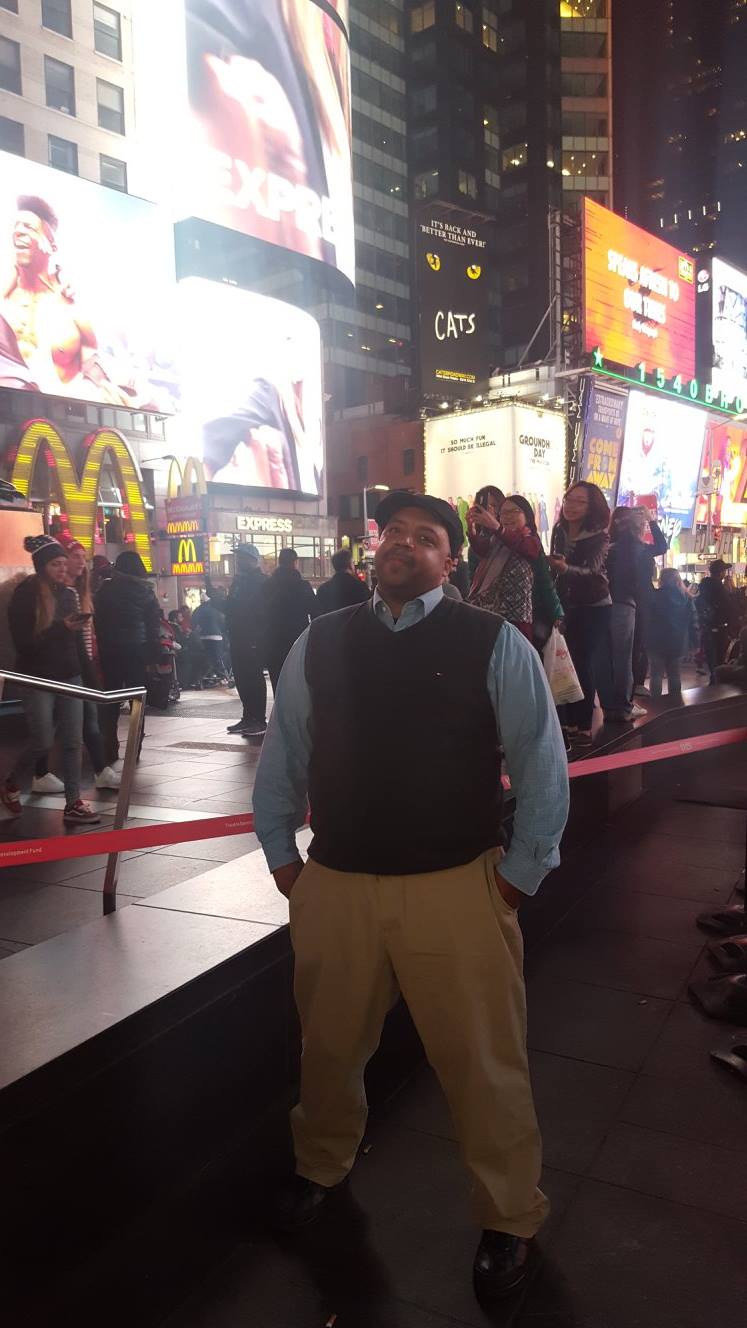
    My name is Mario Stanton. I am an atheist and the founder of the Black Atheists Facebook group. Over the years, the group received attention from several media outlets, including The Grio and The New York Times.

    I mention this not to boast, but to clarify something important: I am not affiliated with any religious organization.

    My atheism is the result of years of study, reflection, and personal experience. I do not believe in any gods, and I often find many religious doctrines philosophically and intellectually irrational.

    However, there is an important distinction between disagreement and hostility.

    While I do not share religious beliefs, I strongly support the right of people to believe and practice the religion of their choice. Freedom of conscience is one of the most important principles in a pluralistic society.

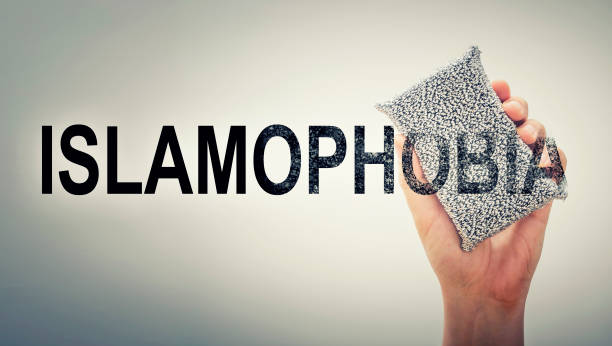
    Over the years, I have found myself defending religious communities, particularly Muslims, against unfair stereotypes and discrimination. That might surprise some people, considering that my atheism would make me unwelcome in certain religious contexts, particularly with many Muslims.

    But fairness requires consistency.

    Muslims, like every other group, are not a monolith. Some individuals are admirable, compassionate people. Others are not. The same is true of Christians, Jews, Hindus, pagans, atheists, and every other category of human being.

    No group has a monopoly on virtue or vice.

    Unfortunately, public discourse often treats entire religious communities as if they can be defined by the actions of their worst members. This is one of the key characteristics of bigotry.

    Muslims are sometimes generally reduced to extremists in the public imagination. However, Christians and Jews are immune from this, even though Christians are sometimes associated with white supremacy and other troubling beliefs, and Jews are associated with Kahanism and extreme Zionism.

    Religious extremism is religious extremism, no matter what religion it is tied to.

    The reality is much simpler: people are individuals. Some are kind, thoughtful, and ethical. Others are not.

    My position is straightforward. I will continue to disagree with religious beliefs that I find unconvincing, but I will also continue to defend the right of others to practice their faith freely. I will do this as long as those practices do not harm others or infringe on their rights.

    Disagreement is inevitable in a diverse society.

    But fairness should be non-negotiable.

  • A Note for New Readers

    A Note for New Readers

    Hello, everyone.

    For those who may not know me from my Facebook page or are unfamiliar with my writing, I want to briefly explain the kinds of topics I discuss and the perspective I bring to those conversations.

    In everyday life, I’m generally a relaxed and humorous person, but my writing tends to focus on serious issues, many of which people consider controversial. I often discuss topics that many people avoid in polite conversation: race, politics, religion, history, and social inequality. These conversations can generate strong reactions, and I understand that not everyone will agree with the positions I take.

    With that in mind, there are a few things readers should know about me.

    First, I consider myself pro-Black. My views are influenced by traditions of Black liberation thought, Pan-Africanism, and Afrocentric scholarship. That does not mean I am hostile toward other racial groups. However, I do believe that many of the modern racial hierarchies we see today have their roots in European colonial systems that imposed rigid racial classifications across much of the world. Because of that history, I have very little patience for openly anti-Black rhetoric, regardless of who expresses it.

    Second, I am an atheist. My atheism is not the result of ignorance or rebellion but the result of years of reading, research, and reflection. I respect the fact that religion is deeply personal for many people, and I generally avoid debating religion with many people out of courtesy. Religious beliefs are extrememly personal and I strongly believe that one’s spiritual walk is their own. I simply ask for the same respect in return. Expressions of faith are one thing; persistent attempts to proselytize to me, whether through private messages, unsoliticed phone calls, or “forced” debates, are another.

    Third, my politics are left-leaning, and I generally describe myself as a democratic socialist, and a leftist. While I try to understand perspectives across the political spectrum, I strongly disagree with many positions associated with contemporary conservative politics, particularly those that dismiss the struggles of low-wage workers or celebrate economic systems that leave large numbers of people behind.

    I believe conversations about these issues are necessary, even when they are uncomfortable. My goal is not to provoke hostility but to engage with difficult topics honestly and critically.

    If these subjects are not something you’re interested in seeing, I completely understand. I will post some lighter subject matter in the future. Everyone curates their online space differently.

    But if you are willing to engage thoughtfully, even when we disagree, then you are welcome here. Just try to be somewhat mature and respectful.