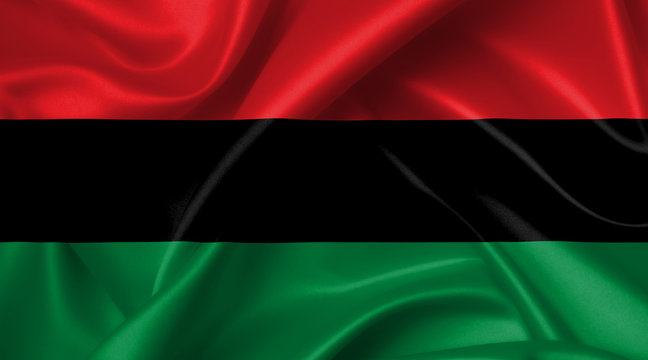
One of the trends I have become increasingly frustrated with in recent years is the rise of diaspora conflicts among people of African descent, particularly the rhetoric coming from the Foundational Black American (FBA) movement and the American Descendants of Slavery (ADOS) movement.
My criticism is not about recognizing the unique historical experience of Black Americans whose ancestors endured slavery and segregation in the United States. That history is real and deserves to be studied and acknowledged.
Nor is my disagreement with these groups over the fight for reparations and the hypothetical distribution of any amount of personal funds that is a direct result of said fight.
The problem arises when that recognition turns into hostility toward other Black communities, such as Africans, Caribbeans, Afro-Latinos, and others within the broader African diaspora (the sixth region of Africa).
Movements that frame liberation as a zero-sum competition between groups of Black people misunderstand the history of Black struggle.
Black liberation movements have always been global.
Pan-African thinkers, such as Marcus Garvey, W.E.B. Du Bois, Kwame Nkrumah, Malcolm X, Kwame Ture, and many others, understood that the struggle against racism and colonialism was not confined to a single country. Activists, intellectuals, and artists from across the African diaspora have participated in and led movements for civil rights, cultural expression, and political freedom.
This global exchange of ideas and customs had always shaped Black American culture.
Music, political ideas, literature, and social movements have flowed back and forth between the United States, Europe, Canada, the Caribbean, Africa, and Latin America. That cross-pollination helped create many of the cultural forms and political traditions that people celebrate today.
For that reason, turning these relationships into ideological battlegrounds does not strengthen Black communities. Instead, it weakens them.
Diaspora conflicts often distract from the structural issues that affect people of African descent globally: economic inequality, systemic discrimination, political marginalization, and the long historical legacy of colonialism and racial hierarchy.
Even debates about policies such as reparations often become framed in ways that pit Black communities against one another. Yet those discussions are largely hypothetical at the moment, given that meaningful reparations programs in the United States remain politically distant.
Arguing among ourselves over potential future policies does little to advance the broader goals of empowerment, economic development, and collective liberation.
If the goal is Black power, Black wealth, and meaningful progress, then building solidarity across the African diaspora is far more productive than deepening internal divisions.
That does not mean ignoring real disagreements or historical differences.
But it does mean recognizing that the struggles of people of African descent have always been interconnected, and that fragmentation ultimately benefits those who would prefer those struggles to remain divided.