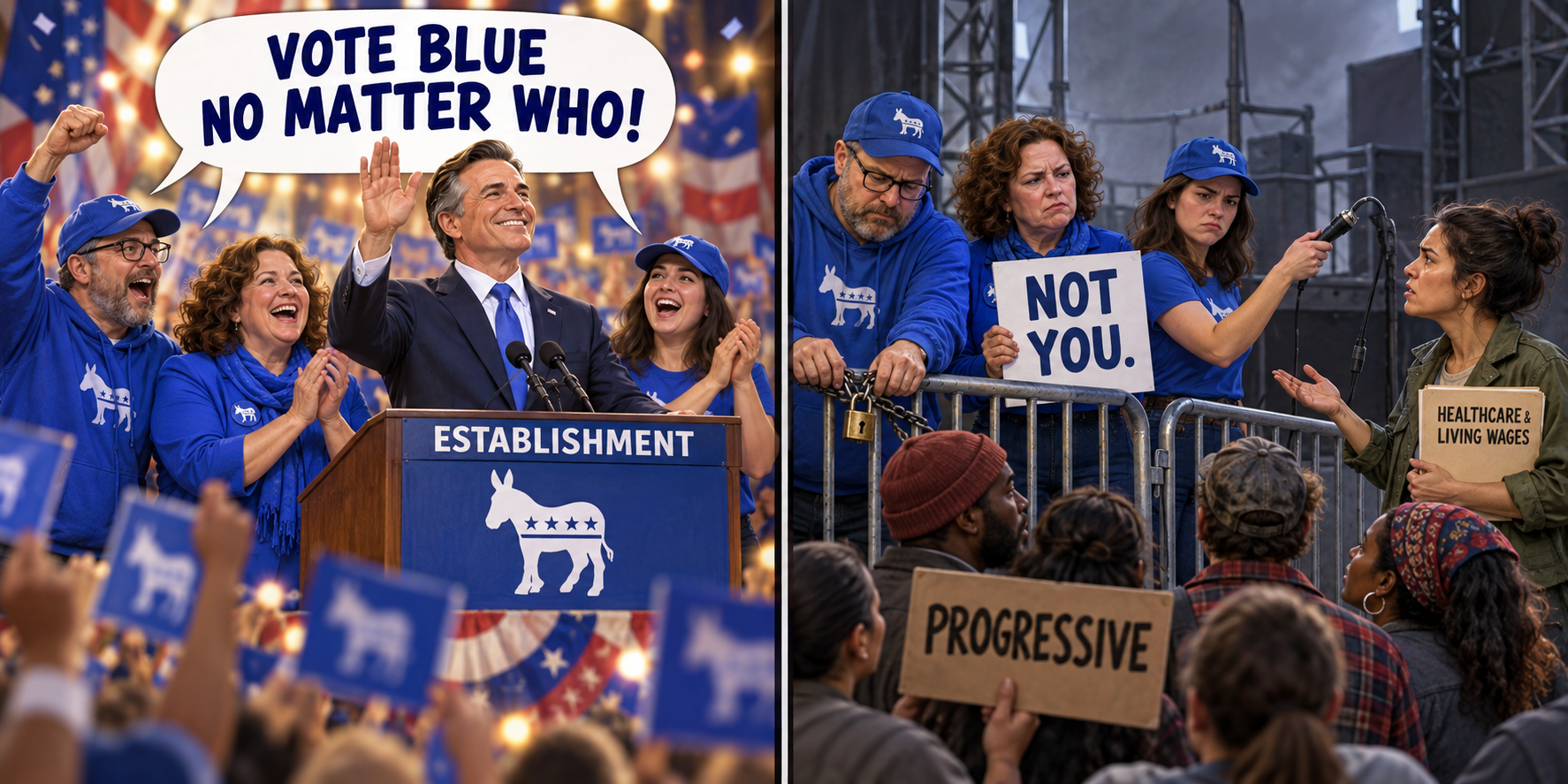
Whenever Democratic loyalists start lecturing the left about “party unity” and “Blue No Matter Who,” I want to ask a simple question:
Does that rule apply when your preferred candidate loses too?
Because I have been paying attention for a long time, and the demand for unity seems to get a lot louder when progressives are expected to fall in line. When the left challenges a favored incumbent, wins a primary, or questions the party’s direction, suddenly there are exceptions.
Then we hear about electability, ideological purity, troublesome supporters, and how the party cannot afford to be associated with those people.
Apparently, the big tent has a very selective admissions policy.
I remember 2008. Some disappointed Hillary Clinton supporters organized under the PUMA banner (“Party Unity My Ass”) and refused to support Barack Obama. Clinton herself urged supporters to back him, but the holdouts were serious determined, and angry. Some openly considered voting for John McCain.
I also remember Clinton invoking her support among “working, hard-working Americans, white Americans” while arguing that Obama’s support was weakening. I found that appeal offensive then, and time has not improved that feeling.
My political memory did not begin with Bernie Sanders, and it did not end when his presidential campaigns did.
That is why I get tired of hearing the left discussed as though we invented bitterness, divisive primaries, or resistance to a nominee. The party has a long history of internal conflict. But certain people’s resistance gets treated as understandable disappointment, while ours becomes a character defect.
And the same attitude is still with us.
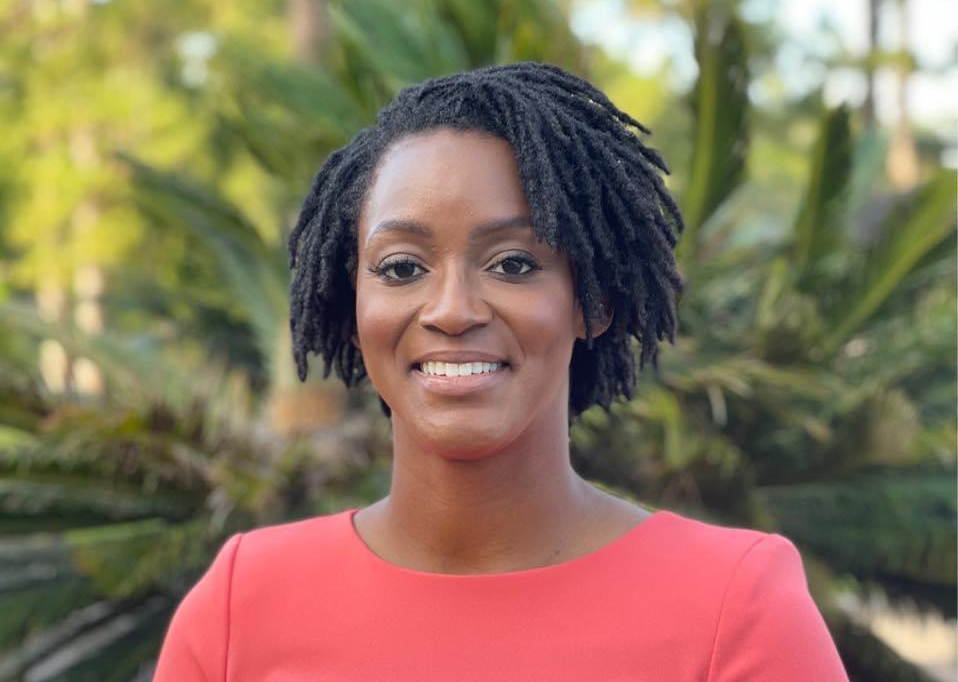
Look at Angie Nixon. She won Florida’s Democratic Senate primary in August, defeating Alex Vindman despite his financial advantage. Whatever someone thinks of her politics, Democratic primary voters chose her.
Nixon subsequently clashed with Florida Democratic chair Nikki Fried over socialism and whether she was receiving sufficient party support.
Reporting this month also described Vindman directing resources toward other Democrats and the state party rather than Nixon herself, while Senate Majority PAC was steering clear of her race.
Now, Florida is a difficult race. Parties have limited resources, and nobody is obligated to pretend every election is equally winnable.
But that explanation deserves scrutiny when “support the nominee” has been preached to the left as a moral obligation.
If progressives are expected to swallow their objections, volunteer, donate, and turn out for candidates they did not want, then they have every right to ask what support looks like when their candidate wins.
You cannot spend years demanding loyalty and then act confused when people expect reciprocity.
Here in St. Louis, the fight involving Cori Bush makes the role of money impossible to ignore. Wesley Bell defeated her again in the August 2026 primary. AIPAC-backed efforts and other outside spending supported Bell, with spending on his behalf substantially exceeding spending for Bush.
Bush was not entitled to her seat. Voters could criticize her, challenge her, and choose someone else. That is how elections work.
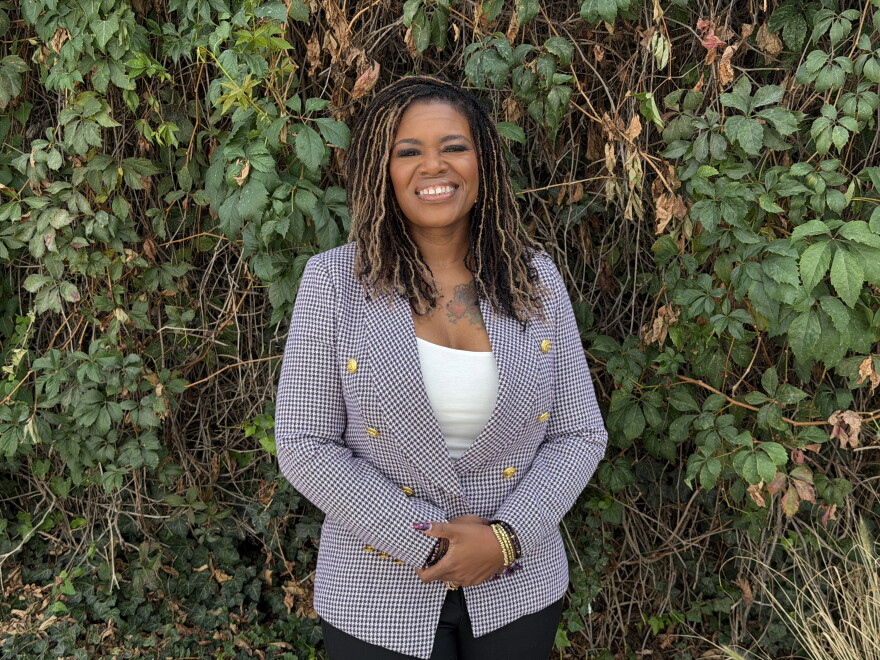
But I am also entitled to question the priorities behind pouring money into defeating a progressive in a heavily Democratic district. I am entitled to ask why a Black organizer’s politics become something to neutralize rather than something the party has to engage.
Calling that spending “democracy” does not put its sources, motives, or effects beyond criticism.
Then there is Hasan Piker, who has become another target in this fight. In April, Democratic Representative Josh Gottheimer joined Republican Representative Mike Lawler in introducing a resolution condemning alleged antisemitic rhetoric from Piker and other online personalities. Gottheimer renewed his push for a vote in August.

I do not have to agree with every damn thing Hasan says to question why Democratic politicians are devoting energy to this.
He is a commentator. He can be criticized. His statements should be examined, including statements people find offensive or harmful. Having an audience does not make him immune to accountability.
But neither should a controversial commentator become an excuse to discredit everyone on the left who has appeared with him, watched him, or supported a candidate he supports.
Criticize the statement. Make the argument. Stop treating association as a substitute for discussing policy.
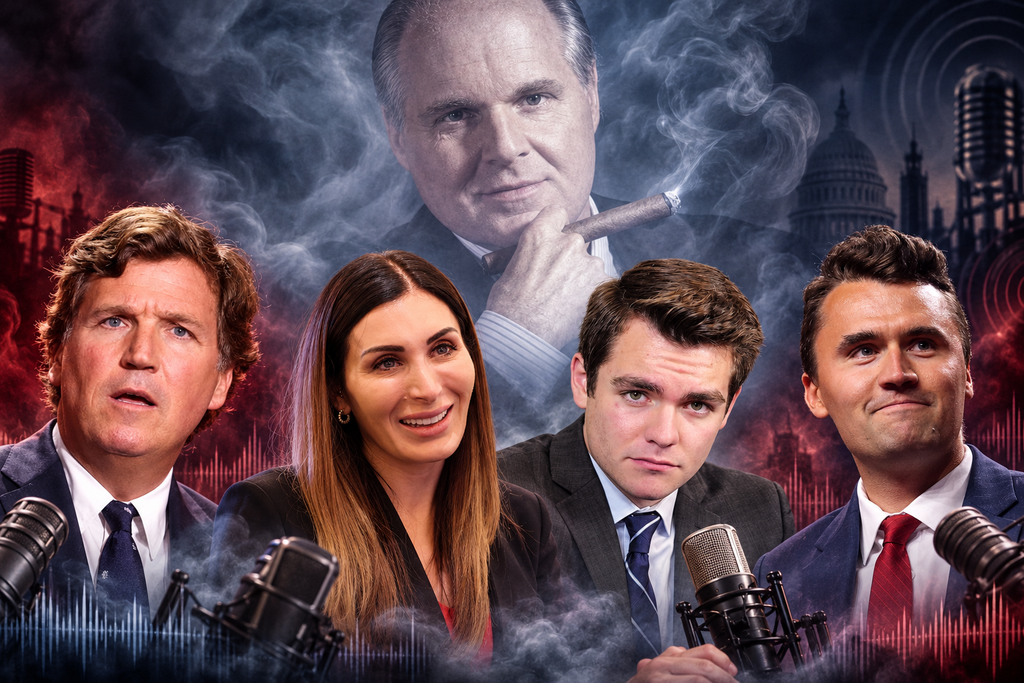
This is where my original frustration still stands: identity-based bigotry is real, but the existence of bigotry does not mean every political disagreement is driven by it.
Sexism against women politicians is real. I have said that repeatedly, including when defending Hillary Clinton against attacks that male politicians would not have faced.
Antisemitism is real. Racism is real. All deserve serious attention.
But criticism of a woman’s policies is not automatically sexism. Criticism of a Jewish politician is not automatically antisemitism. Criticism of a Black politician is not automatically racism.

And criticism of a government’s actions is not automatically hatred of the people associated with that government.
Context is important here. There needs to be a careful and sober examination of the evidence. What was actually said matters more than the political spin.
These questions require more work than deciding that an accusation ends the conversation. Using genuine struggles against bigotry as political shields makes it harder to address both the bigotry and the policy disagreement honestly.
I do not want the left exempted from that standard. I want the standard applied consistently.
Progressive candidates should answer for their records. Their supporters should answer for what they actually say and do. But establishment candidates should face the same scrutiny over their donors, policies, alliances, and treatment of the people whose votes they expect.
Too often, the left’s demands are described as dangerous or unrealistic before they are even seriously discussed.
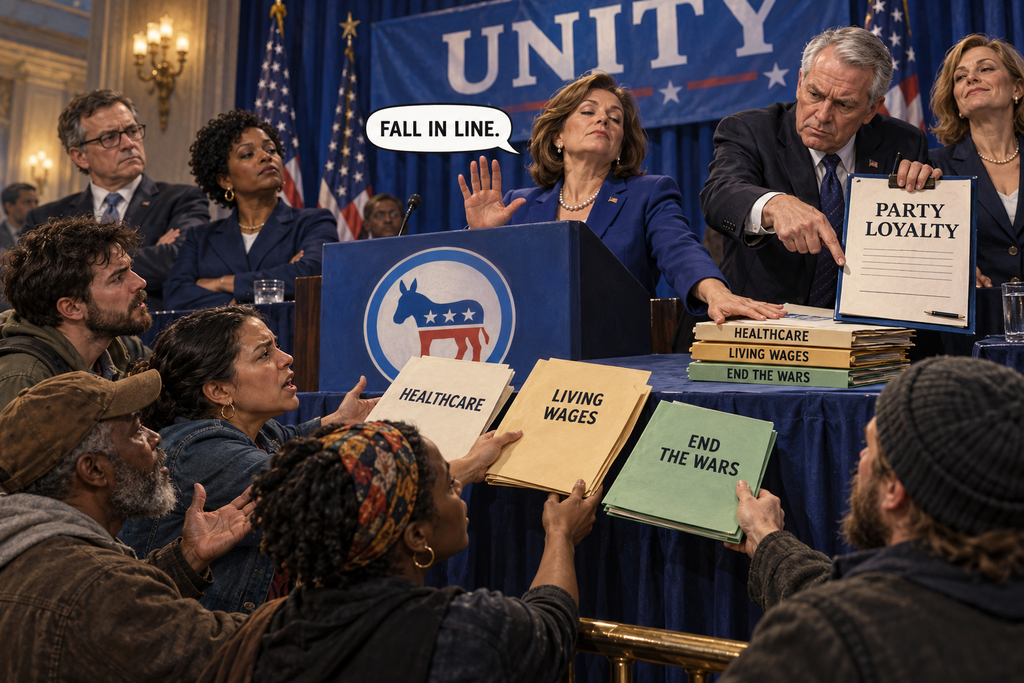
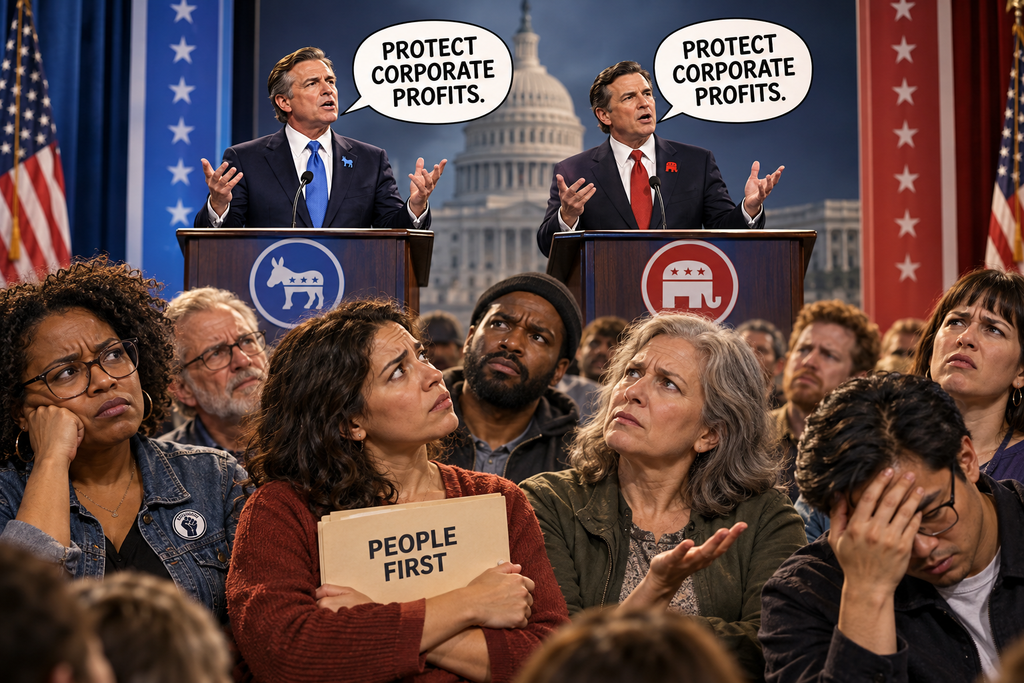
Universal healthcare. Affordable housing. Stronger labor rights. Public investment. An end to policies that treat human suffering as an acceptable cost of somebody else’s profit.
Those are political demands. People can argue against them. But dismissing the people making them as naïve, toxic, disloyal, or unelectable is a convenient way to avoid the argument.
And I think some of that hostility comes from the interests those demands threaten. A party comfortable with its donors and existing arrangements is going to feel pressure when its own voters start demanding changes that those donors do not want.
That is my interpretation of the pattern. It is also why I refuse to accept every attack on the left as neutral advice about winning elections.
Winning for what? Delivering what? And accountable to whom?
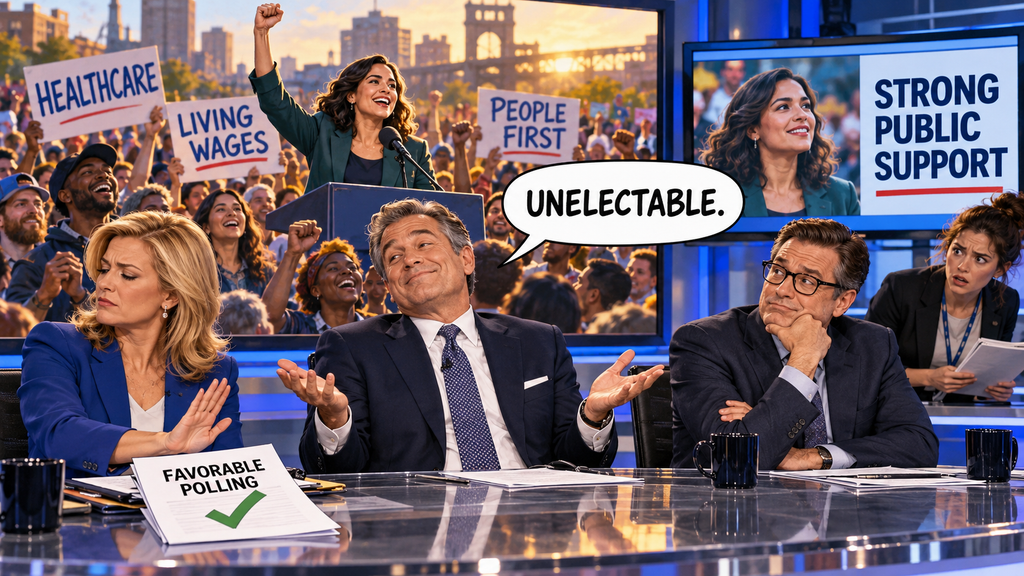
I understand the danger Republicans pose. I do not need that explained to me every time I criticize Democrats.
What I need is for Democratic leaders and loyalists to understand that opposing Republicans does not require me to surrender my judgment. It does not require silence about the party’s failures, and it certainly does not require pretending that its treatment of the left is fair.
If you want unity, give people a meaningful role in shaping the agenda. Respect their victories. Engage their demands. Show them that their participation matters beyond election-day turnout.
Stop treating the left as a workforce you can insult between elections and summon when you need votes.
Party unity cannot mean that we do the work, accept the blame, and shut the hell up.