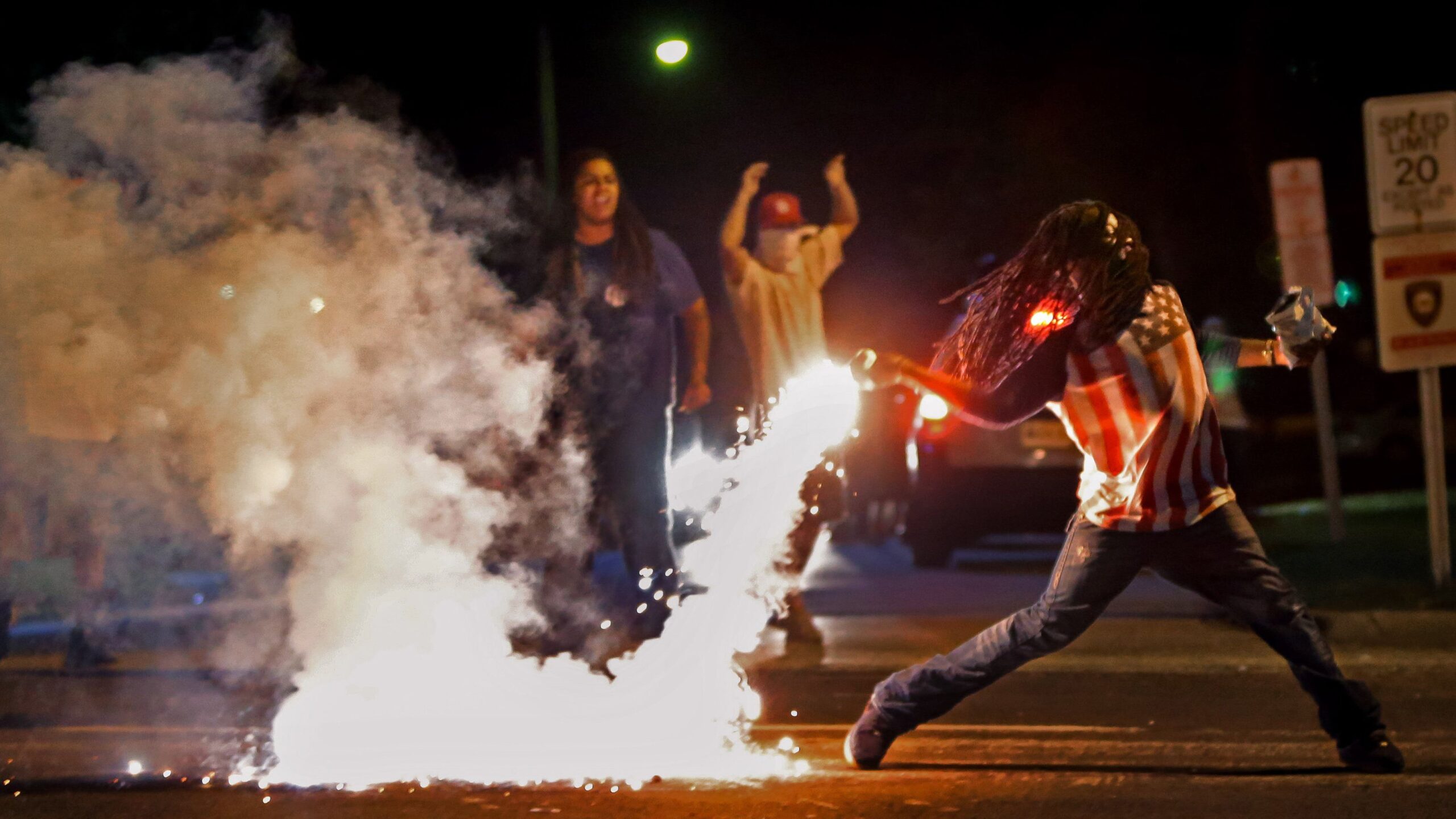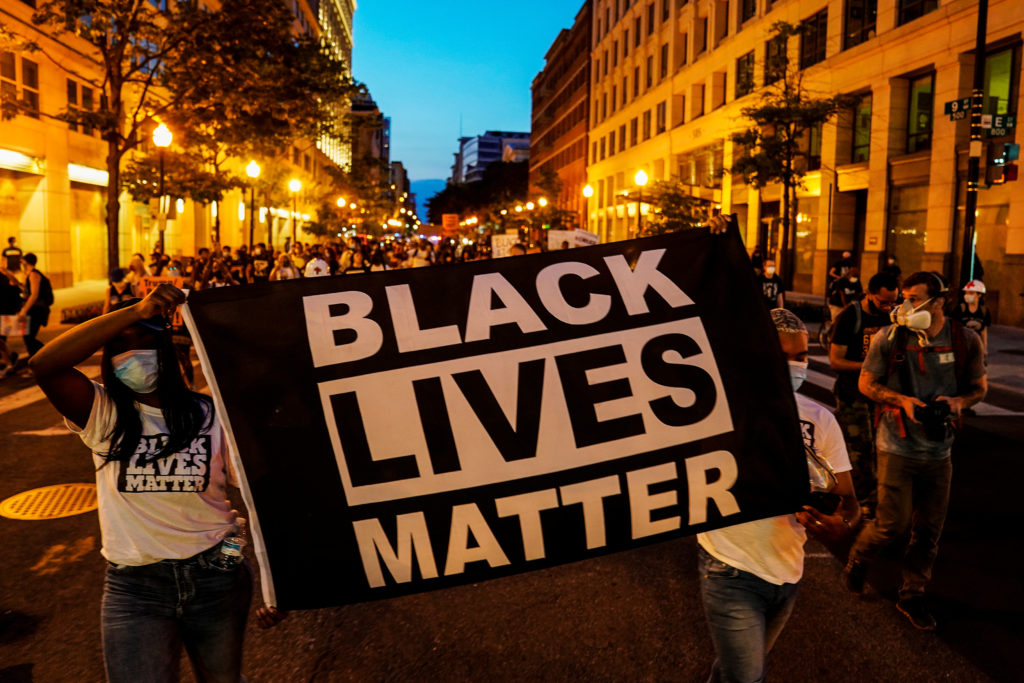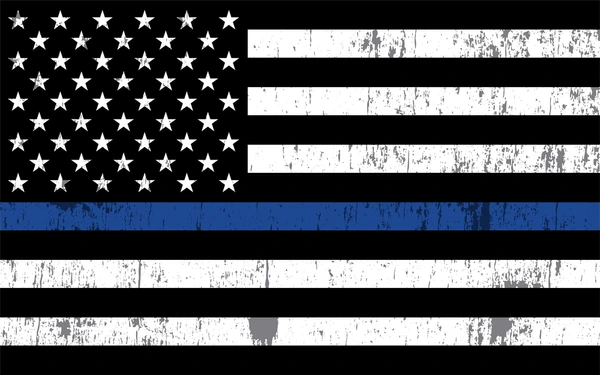
In response to the Black Lives Matter movement, a new slogan began circulating in political discourse: “Blue Lives Matter.”
Supporters of the phrase often describe it as a show of solidarity with law enforcement officers. At first glance, that explanation may appear reasonable.
However, the slogan presents several problems.
First, policing is a profession, not an identity. Individuals choose to become police officers, while race is an inherent characteristic that people do not choose.
Second, police officers already receive substantial institutional support and public recognition.
When an officer is killed in the line of duty, the incident typically receives widespread media attention. Memorial funds are established, funeral services are attended by officials from multiple agencies, and the officer’s name may be added to national memorials honoring fallen law enforcement personnel.
Numerous organizations also exist specifically to support police officers and their families. These include groups such as:
• Concerns of Police Survivors (C.O.P.S.)
• The Fraternal Order of Police Foundation
• The Officer Down Memorial Page
• The National Law Enforcement Officers Memorial Fund
In other words, support systems for police officers already exist and are widely recognized.
The phrase “Blue Lives Matter,” therefore, does not address a lack of recognition or support for law enforcement. Instead, it emerged primarily as a reaction to the concerns raised by Black Lives Matter.
Because of this context, many people, including me, view the slogan not as a genuine expression of support for police officers, but as a cynical rhetorical attempt to dismiss the grievances being expressed by those calling for police accountability.
It is entirely possible to support the idea of law enforcement while also demanding transparency and accountability within policing institutions.
In fact, those goals are not contradictory. They are mutually reinforcing.
Public trust in law enforcement grows stronger when citizens believe that misconduct will be taken seriously and addressed fairly.
Ultimately, the goal should not be to compete over slogans or hashtags. The goal should be to create a justice system that treats every person with equal dignity and respect under the law.