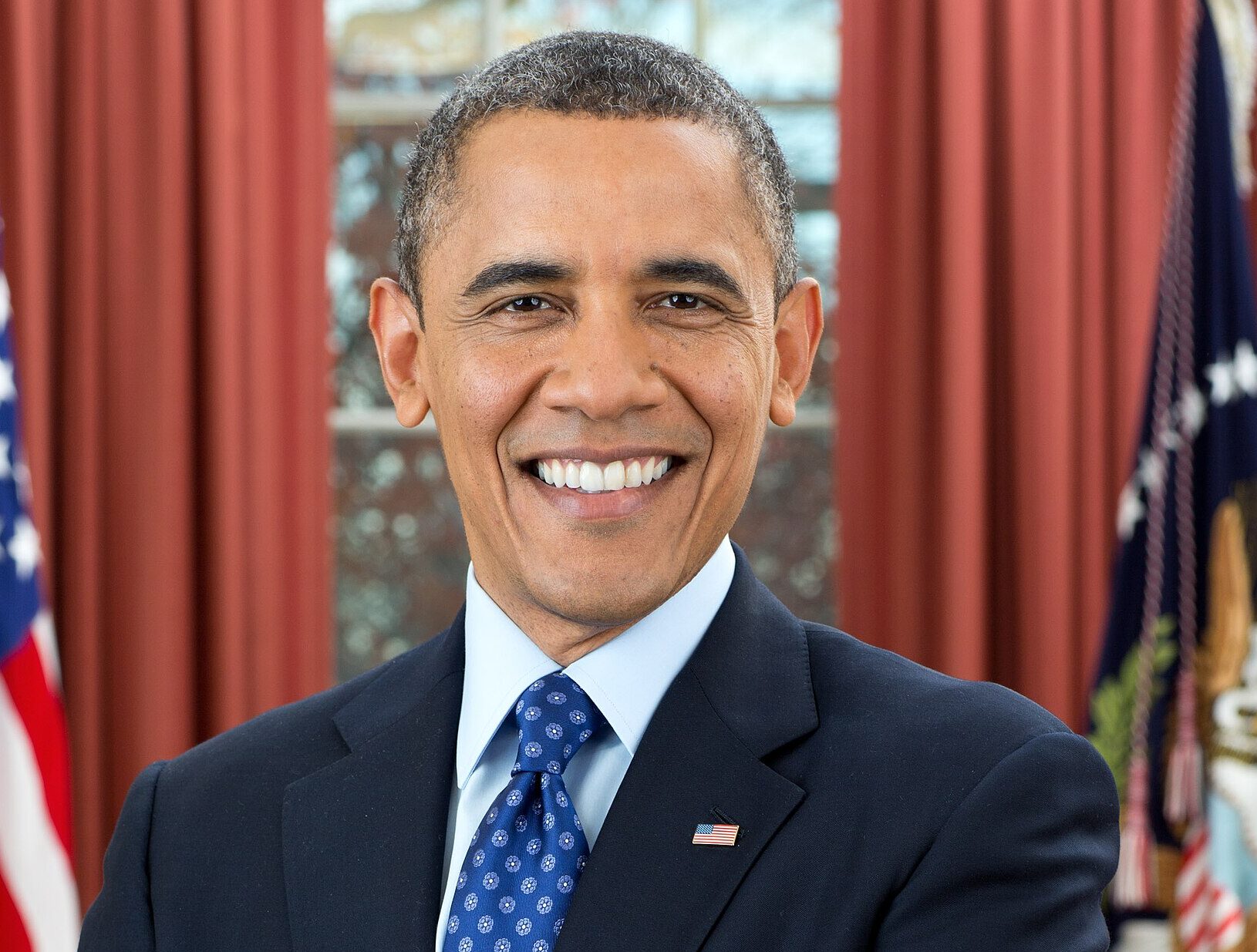
Barack Obama, Bob Marley, and Benjamin Jealous have something in common that often gets overlooked: each had a Black parent and a White parent. Frederick Douglass and Booker T. Washington also described their fathers as White, although neither knew his father’s identity with certainty.
Yet I have heard people argue that having a White parent disqualifies someone like Obama from being considered Black. I have heard this from both Black and White people, but more often in Black circles, possibly because most of my affiliations are with Black people.
And I have a problem with it.
People who would otherwise recognize Obama as Black suddenly question his Blackness once they learn about his mother. His appearance hasn’t changed. His life hasn’t changed. What changed is their willingness to accept him.
Why does knowing that someone has a non-Black parent suddenly become grounds for pushing them out of the community?

I have said this before: race is a social classification, not a set of neatly separated biological categories. The boundaries people draw around it are arbitrary, inconsistent, and shaped by history and power.
But some of us talk about Blackness as though there is a purity test we can administer.
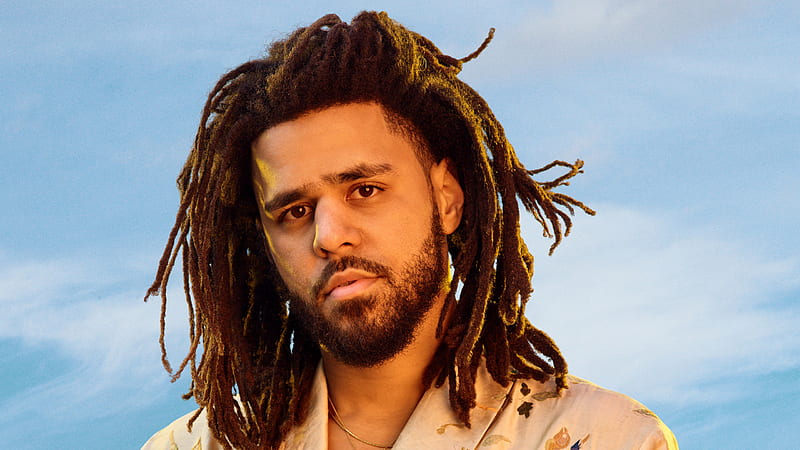
This is personal for me. I am the product of generations of Black people who considered themselves part of a separate racial category and largely married within that category. I know that history comes with an ugly legacy of colorism, exclusion, and the infamous “paper bag test.”
That is not a legacy I want us to preserve.
Yet we risk carrying those same ideas forward when we treat our biracial kin as outsiders simply because one parent is of European, Asian, or Indigenous descent.

We can recognize differences in our experiences without turning those differences into reasons to deny one another belonging. Colorism is real. The advantages some lighter-skinned people receive are real. Family background, upbringing, and how society perceives us can affect our lives.
We really need to have converstions about these privileges and injustices. But rejecting people’s Blackness does not resolve any of them.
What does that rejection say to biracial people?
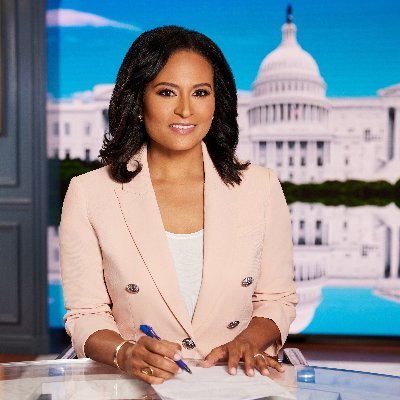
Some already encounter exclusion in White or other non-Black spaces. Then they enter Black spaces and hear that they don’t belong there either. They are expected to choose a side, prove their loyalty, or downplay part of their family history to make other people comfortable.
Why should someone have to deny a parent to establish a place in a community?
Acknowledging a White mother does not erase a Black father. Acknowledging an Asian father does not erase a Black mother. People should be able to recognize their full heritage without having that recognition used against them.
Being biracial and being Black do not have to be mutually exclusive.
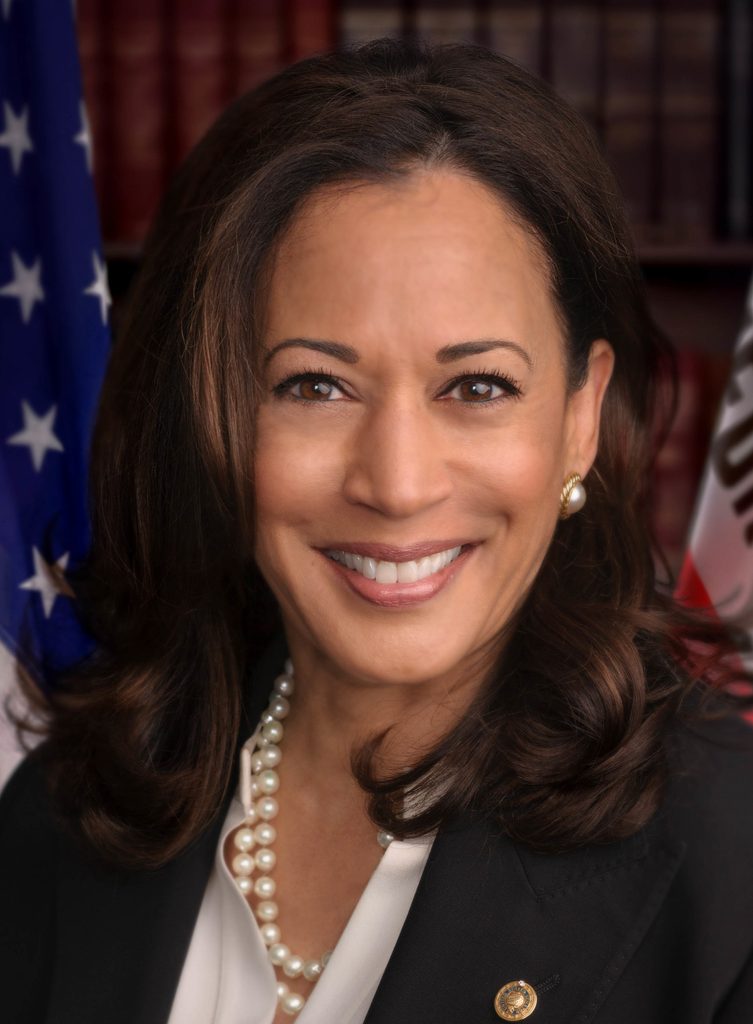
That also does not mean forcing every biracial person to identify exactly the same way. People should have room to describe their own experiences and identities. My objection is to those who insist that a person with a non-Black parent cannot belong to us, regardless of how that person identifies or lives.
I am not interested in replacing one rigid rule with another. I want us to stop treating belonging as something that can be revoked over a family tree.
Many Black people already embrace our biracial kin. This criticism is directed at those who refuse—and especially those who dress that refusal up as protecting Black identity.
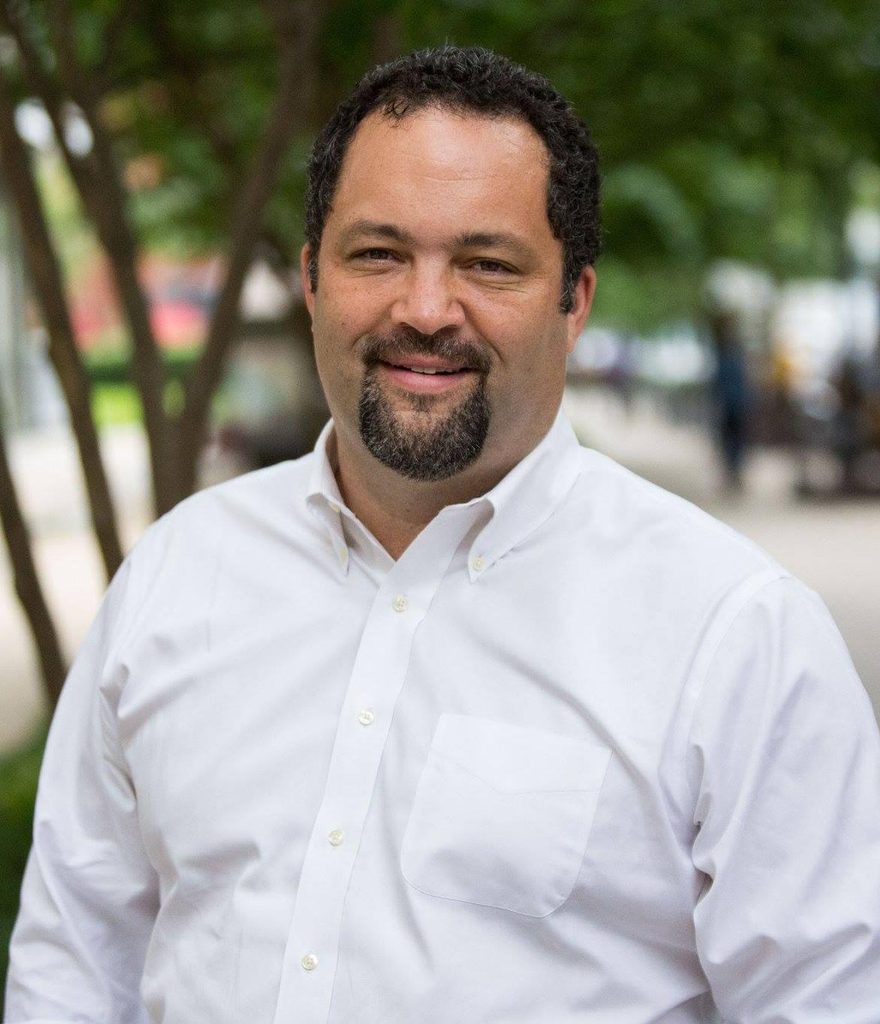
Protecting our people should not require rejecting some of our children.
We have enough to confront without reproducing the same obsession with ancestry and supposed racial purity that has done so much damage to us. Further division will not solve our problems. It will give us more problems to solve.
Our biracial kin should not have to erase part of themselves to be embraced as our own.