Tag: corruption

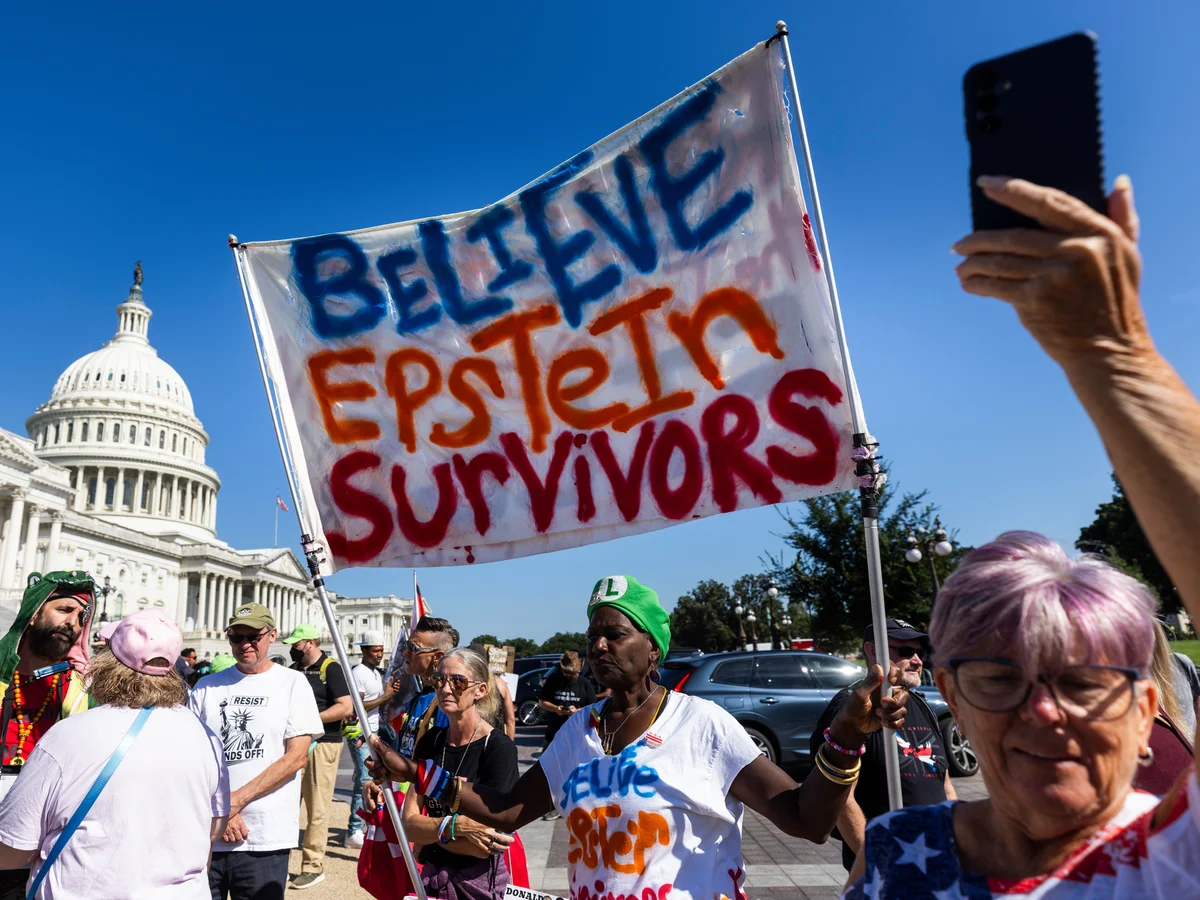
  • The Epstein Scandal Is Bigger Than Politics

    The Epstein Scandal Is Bigger Than Politics

    I have been extremely critical of Donald Trump and the MAGA movement regarding the Epstein case. However, it is important to say something that often gets lost in the political shouting.

    This case is bigger than Trump.

    It is bigger than Jeffrey Epstein himself.
    It is bigger than Bill Clinton, Prince Andrew, or any other powerful individual who may have been connected to Epstein’s network.

    And it is bigger than partisan politics.

    At its core, the Epstein scandal exposes something much deeper: what happens when money, power, and privilege collide with the worst impulses of human behavior, particularly male behavior.

    For decades, we have seen the same pattern repeat itself across politics, entertainment, religion, business, and other powerful institutions. Men with wealth and influence abuse their power to exploit women and girls, while the systems around them protect their reputations.

    Victims are often dismissed, discredited, or accused of ulterior motives. Meanwhile, the perpetrators continue to operate with little consequence.

    The Epstein case revealed a horrifying scale of abuse. Hundreds of young girls were trafficked and exploited. Some estimates suggest the number of victims could exceed a thousand.

    And yet the reaction from many people has been to reduce the scandal to a political weapon.

    Supporters of one political figure point to the involvement of another. Loyalists circle the wagons around people they admire. Victims become secondary to political narratives.

    This reaction is part of the problem.

    Sexual exploitation thrives in environments where powerful people are protected by wealth, influence, and social loyalty. When society treats abuse allegations as partisan ammunition rather than moral failures, accountability becomes almost impossible.

    The disturbing reality is that this problem extends far beyond Epstein’s circle.

    Reports in recent years have exposed online communities where thousands of men openly discuss drugging, assaulting, and exploiting women. Studies consistently show that sexual violence is far more common than many people want to admit. According to organizations such as the Rape, Abuse & Incest National Network (RAINN), roughly one in six women will experience sexual assault during their lifetime.

    These crimes are rarely committed by strangers hiding in dark alleys.

    They are often committed by men known to the victim, such as friends, coworkers, acquaintances, partners, and authority figures.

    This forces an uncomfortable conversation about male behavior more broadly.

    If men are serious about ending sexual violence, the responsibility cannot be placed solely on law enforcement or individual criminals. Men must also examine the attitudes and behaviors that enable these crimes to continue.

    That includes learning to accept rejection, understanding the meaning of consent, and rejecting the idea that status, wealth, or influence entitle anyone to another person’s body.

    This is not about hating men or rejecting masculinity. This is not about pandering to women for dates or sex. It is about recognizing that power without accountability creates environments where abuse flourishes. This is about accountability and responsibility.

    Many of the women harmed by Epstein’s network are now adults living with lifelong trauma. Justice for them should never be reduced to a political talking point.

    If this scandal means anything, it should be a reminder that accountability must apply to everyone. Holding criminals accountable should be the goal, no matter how wealthy, powerful, or politically connected they may be.

    And for men in particular, it should also be a reminder that respect, consent, and responsibility must define how we treat women.

    Anything less allows the cycle to continue.

  • The Epstein Files and the Rot of Power

    The Epstein Files and the Rot of Power

    What the scandal reveals about wealth, power, and accountability.

    The more I read about the latest Epstein file disclosures, the more disturbed and frankly ashamed I feel.

    I’m not talking about the rumor mill. Some of what people are circulating online comes from FBI tip lines or discredited claims. That isn’t what I’m referring to.

    What I’m talking about are the things that actually appear in the record: emails sent to or from Jeffrey Epstein and Ghislaine Maxwell, sworn testimony from victims given under penalty of perjury, and other evidence that investigators have said could support criminal cases, such as photographs, videos, and documentation of trafficking operations.

    Reading about these details is deeply disturbing.

    This isn’t about people having unconventional sex lives or engaging in consensual adult kink. Adults are free to live their lives however they choose. What the Epstein case reveals is something very different: the exploitation of young girls (some reportedly prepubescent or barely pubescent) by powerful people who treated them as disposable.

    These were vulnerable teenagers manipulated, trafficked, and abused by individuals with enormous wealth and influence. And for years, the systems that were supposed to protect them largely failed. It forces an uncomfortable question: what happens when immense wealth and power operate without meaningful accountability? The Epstein scandal suggests that the answer is often ugly.

    When people have the money, connections, and influence to shield themselves from consequences, the worst impulses can flourish. In that sense, Epstein was not a supernatural villain or some once-in-a-generation monster. He was something more troubling: a symptom of a system where wealth and power can insulate people from the laws and moral standards that govern everyone else.

    In many ways, Epstein functioned like a high-end pimp by providing powerful clients access to things they should never have been able to obtain. And our culture has sometimes romanticized that figure. For decades, entertainment media have portrayed pimps as rebellious anti-heroes rather than as people who often exploit vulnerable women and girls.

    The Epstein case strips away that mythology. It shows the brutal reality behind it.

    But the truth is that the problem isn’t limited to one man or one network. We’ve seen similar patterns in other high-profile abuse cases involving celebrities, entertainers, and powerful figures. Wealth, fame, and influence often create environments where victims struggle to be believed, and perpetrators expect to avoid consequences.

    That realization forces a level of personal reflection as well.

    Like many people, I can admit that in the past I sometimes dismissed or minimized allegations against powerful men whose work or status I admired. When people joked about or rationalized the abuse of young women by famous figures, it was often treated as scandalous gossip rather than as evidence of serious harm.

    Looking back, that culture of dismissal helped create the conditions where victims were ignored, and predators were protected.

    The Epstein files are horrifying not only because of what they reveal about specific crimes, but because they expose how systems of power operate. They show how wealth, status, and influence can warp justice itself.

    And that is why the response to this scandal matters.

    Justice should not depend on a person’s political ideology, social status, or connections. Anyone who participated in exploitation or trafficking (no matter how rich or powerful) should face real accountability.

    The victims deserved protection when these crimes were happening. The least society can do now is ensure that the truth is pursued seriously and that those responsible are held accountable.