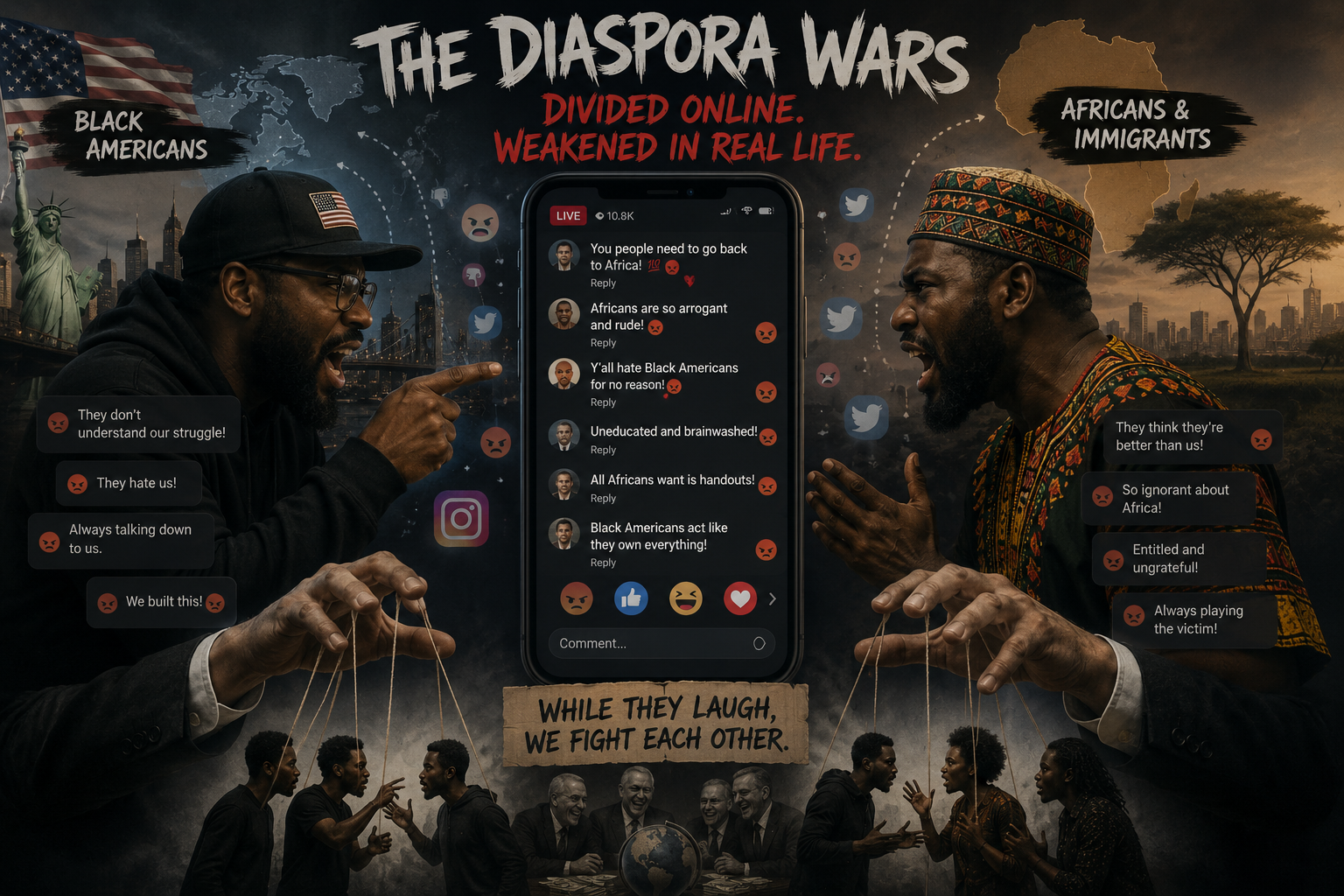
I hate the so-called “Diaspora wars.” I really do.
The more I watch these online battles between Black Americans, Africans, Afro-Caribbeans, and other members of the African diaspora, the more convinced I become that they serve almost no productive purpose. At best, they are fueled by grifters within our own communities who care more about clicks, engagement, and money than they do about Black liberation or Black self-reliance. At worst, they function as a psychological operation that keeps Black people divided while distracting us from the systems that continue to harm all of us.
The tragedy is that these conflicts are built on the words and actions of a relatively small number of people. Social media algorithms take the most outrageous opinions from a handful of Black Americans and immigrants, amplify them to millions, and convince us that these fringe voices represent entire communities. Existing mistrust, jealousy, and stereotypes (many of which were created and reinforced by white supremacist systems) do the rest.
The supposed barrage of negative comments and feelings haven’t been my experience. I’ve spent time in the Dominican Republic, and I found most people to be warm and welcoming. I’ve traveled throughout Africa without experiencing the hostility that social media would have you expect. I’ve visited the Caribbean, and while many people understandably assume Americans have endless amounts of money, my interactions have overwhelmingly been positive. More importantly, I don’t stay isolated in luxury resorts. I spend time among everyday people.
Even here in the United States, many of my friends are immigrants. They respect me, and many have expressed that they want to be accepted by Black Americans just as much as Black Americans want to be accepted by them.
That’s a reality you don’t often see reflected online.
Unfortunately, every Black community has people who have internalized anti-Black beliefs. Coons exist in every nationality and every ethnicity. That shouldn’t surprise anyone. After centuries of slavery, colonialism, segregation, imperialism, and the constant message that Black people are somehow inferior, many of us have absorbed those ideas in one form or another. When you’ve been taught for generations that your people contributed nothing to civilization except labor or criminality, some people eventually begin to believe it.
Internalized oppression doesn’t stop at national borders.
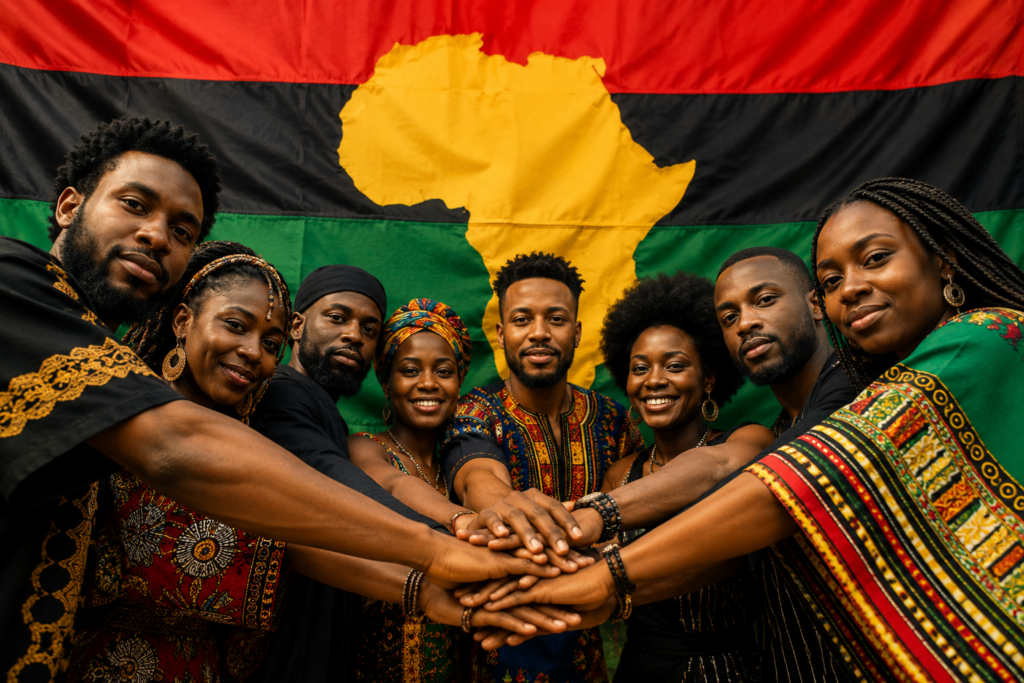
If we are serious about Black liberation, I believe the only path forward is Pan-Africanism.
That doesn’t mean pretending our experiences are identical. Black Americans have a unique history rooted in slavery, Jim Crow, and the ongoing struggle for civil rights. Africans have their own histories shaped by colonialism, independence movements, and modern political challenges. Afro-Caribbeans, Afro-Latinos, and other members of the diaspora have their own distinct experiences as well.
Recognizing those differences shouldn’t prevent us from recognizing our shared humanity and our shared struggle.
We are connected not only through ancestry but through centuries of resistance against systems built on white supremacy and the ideology of Black inferiority. Those systems have always benefited when Black people distrust one another more than they distrust the institutions that marginalize all of us.
We shouldn’t allow a handful of loud voices on social media to define our relationships.
Ignore the people whose entire online presence depends on attacking other Black people. Be skeptical of pseudo-intellectuals who use selective history to create division rather than understanding. And let’s stop demonizing foreign-born Black people over hypothetical reparations that have neither been promised nor seriously pursued by either major political party.
I wholeheartedly support the idea and the pursuit of reparations. They can help address historical injustices and repair some of the damage caused by centuries of oppression. But no amount of money can guarantee genuine Black liberation if we remain divided and lack a shared vision for our future.
Liberation requires more than compensation.
It requires education, unity, and a unwavering love and trust of our people as a collective.
One lesson I think we should seriously consider comes from communities that invest heavily in teaching their children history, identity, culture, and collective responsibility outside of traditional public education. One such community are Jewish people. Academic subjects are important, but so is learning who you are, where you come from, and what obligations you have to your community.
We need Afrocentric educational spaces that strengthen our understanding of African civilizations, the global African diaspora, and the interconnected histories of Black people everywhere. Those spaces should include Black Americans, Africans, Afro-Caribbeans, Afro-Latinos, and every other branch of the African family.
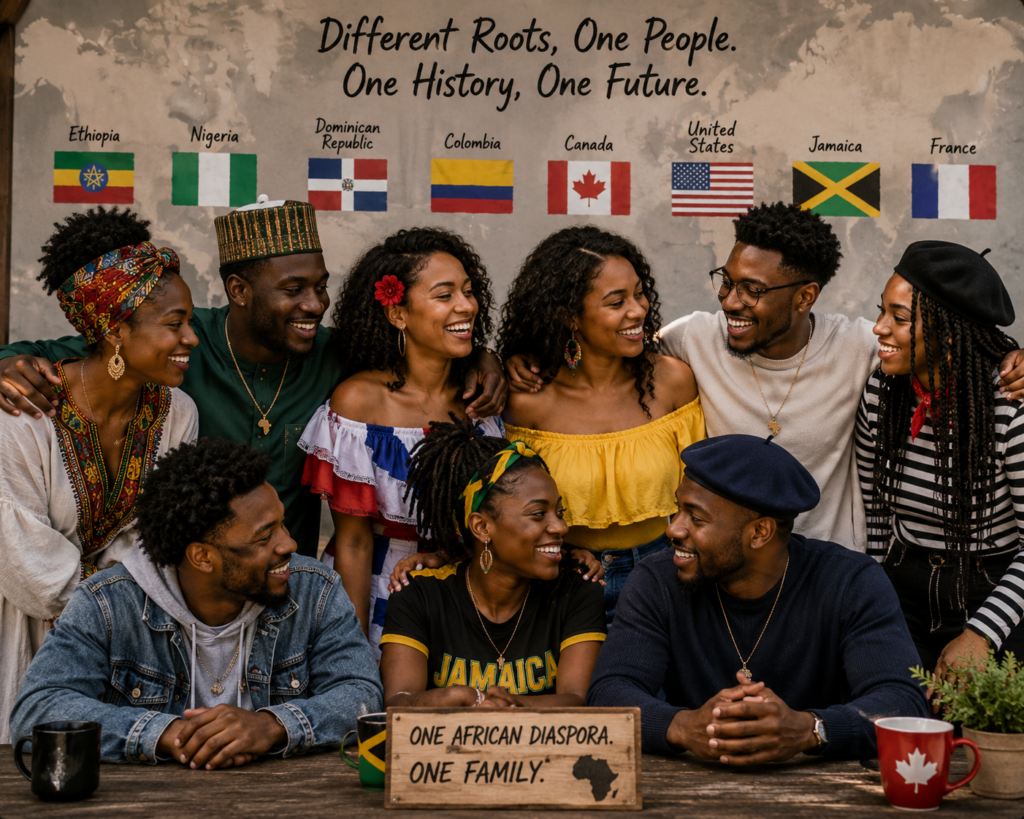
The encouraging news is that this work is already happening.
I’ve seen Africans sharing the history of Black Americans with wider audiences. I’ve seen members of the diaspora eager to learn from one another, exchange culture, build businesses together, and strengthen Black institutions. There are far more people interested in unity than social media would have us believe.
Those people deserve more attention than the influencers profiting from division.
Our goal should never be isolation or xenophobia. Black Americans should not view other Black people as competitors or outsiders simply because they were born elsewhere. Likewise, members of the diaspora should recognize the unique history and contributions of Black Americans without relying on stereotypes.
History gives us a better example.
The Civil Rights Movement did not exist in isolation. Black American leaders built relationships with African independence movements, Caribbean intellectuals, and freedom struggles across the globe. Ideas, strategies, and inspiration flowed in both directions because they understood something that many people online seem to have forgotten:
Our liberation has always been connected.
Instead of fighting one another over social media narratives, we should be building institutions, exchanging knowledge, strengthening our communities, and creating the kind of global Black solidarity that those who came before us envisioned.
The diaspora wars may generate clicks but pan-African unity can generate freedom.