I have shared videos of Ku Klux Klan members and other racists explaining what they believe on my Facebook page. What interests me is how familiar some of those beliefs sound once you look past the robes, the slurs, and the willingness to say the quiet part out loud.
The KKK does not represent every American. Nor should one town, one interview, or one group stand in for the whole country.
But that does not mean the ideas expressed in those videos exist only among people who openly identify as racists.
The belief that Black people are inherently less capable, less civilized, more dangerous, or less deserving can appear in different forms and degrees. Someone can reject the Klan and still accept assumptions that have a great deal in common with its worldview.
That is what I want people to examine.
For generations, racism helped justify conquest, enslavement, colonial exploitation, and exclusion. People dressed those justifications up as science, religion, common sense, and concern for civilization.
The cruelty came with an explanation. The explanation made the cruelty easier to defend.
We still need to pay attention to that process.
Racism can become so familiar that people stop recognizing it unless it appears in its most extreme form. They know a hood and a burning cross when they see them. They know an explicit slur when they hear one.
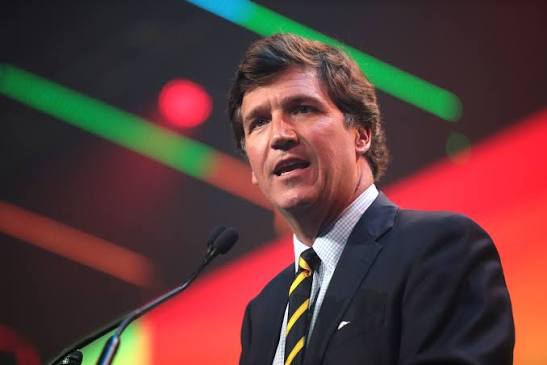
But a polished commentator making insinuations about Black intelligence, criminality, or belonging? Suddenly, we are supposed to consider whether that person is simply a misunderstood truth-teller.
Apparently, racism becomes harder to recognize when the speaker has a studio, a suit, and a respectable vocabulary.

I am tired of the idea that avoiding the N-word automatically makes an argument free of racism.
What is the argument asking us to believe? How is the evidence being used? What context has been left out? Is a problem being examined, or is an entire people being assigned a negative character?
Those questions matter more than whether the speaker remembered to avoid a slur.
Statistics deserve scrutiny too. A number can be accurate while the story built around it is misleading. Selective comparisons, missing context, and sweeping conclusions can turn data into a tool for reinforcing prejudice.
If someone uses a statistic to suggest that Black people are inherently defective, the presence of a number does not make that suggestion objective.
A spreadsheet does not wash racism out of an argument.
One of the things I wanted people to notice in those videos was the date.
When were these people saying these things? When were the incidents happening? How long after the major civil-rights victories were communities still facing intimidation, exclusion, and openly racist hostility?
Too many people talk as though the Civil Rights Act of 1964 and the Voting Rights Act of 1965 closed the book on racism.
Those laws were extremely important. But passing a law did not instantly change everyone’s beliefs, dismantle every discriminatory practice, or erase the advantages accumulated under the old arrangements.
Some attitudes changed. Some people changed. Others learned to conceal what they believed or express it in language that gave them plausible deniability.
We should recognize progress without pretending that it finished the job.
That is also why I keep returning to the contrast between how Barack Obama and Donald Trump have been judged.
I am not arguing that every criticism of Obama was racist. I criticized him myself. His policies and decisions deserve examination like those of any other president.
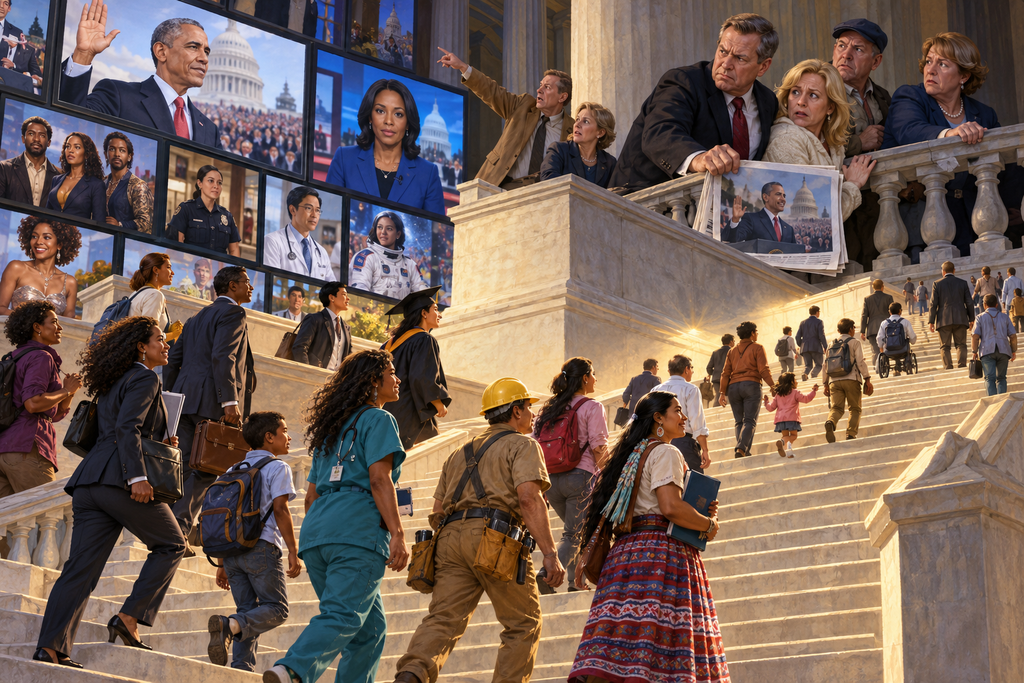
But I watched people demand that he be endlessly calm, polished, articulate, restrained, and reassuring—and still treat him as illegitimate, threatening, or fundamentally out of place.
He could meet their stated standards and still fail the test.
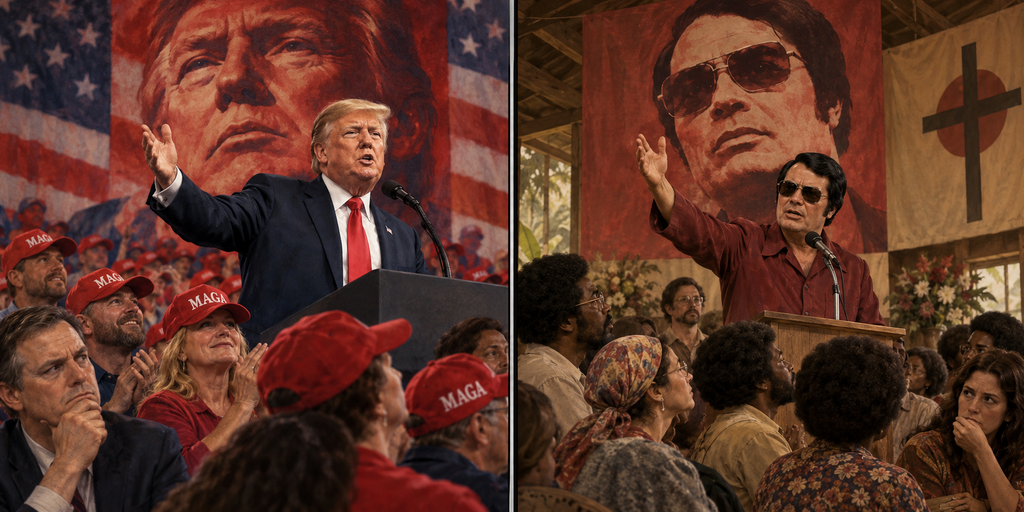
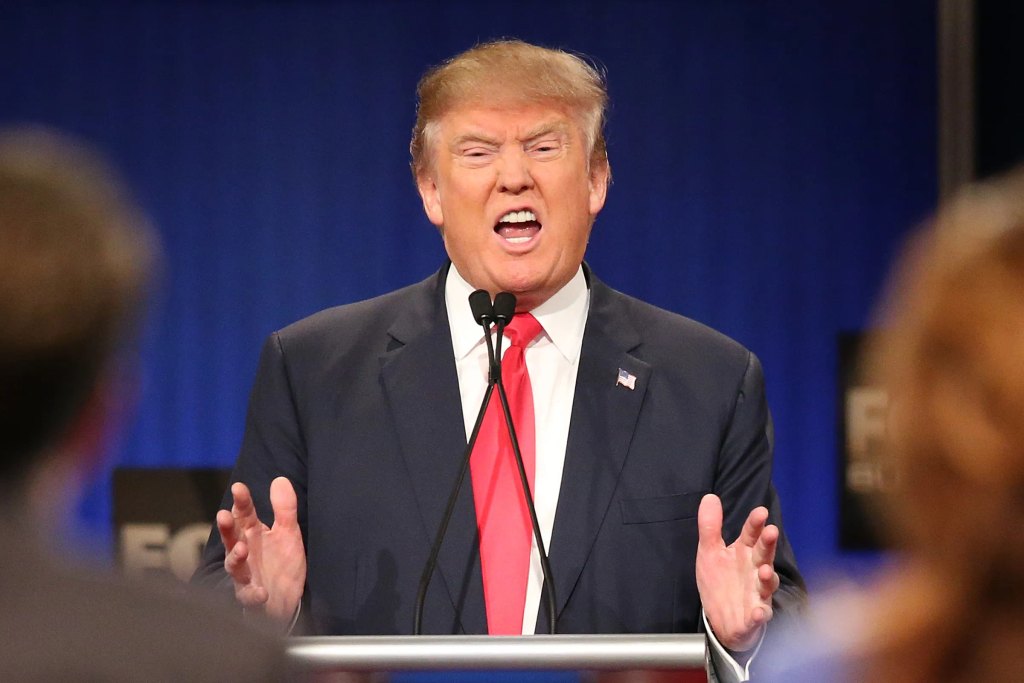
Then I watched some of those same people celebrate Trump’s belligerence, insults, and disregard for restraint as signs of strength.
Conduct they would have treated as disqualifying in Obama became proof that Trump was authentic and willing to fight.
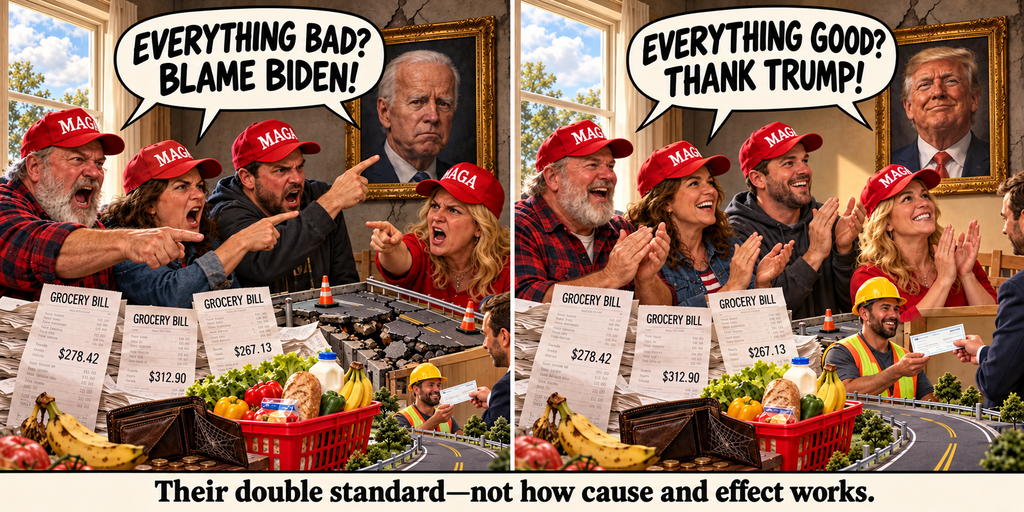
What changed—the standard, or the person being judged?
That question deserves more than a reflexive accusation that I am “making everything about race.”
I do not need to claim that every measure of the country’s condition was better under Obama to make this point. Presidents should be judged on evidence, and different outcomes require different comparisons.
My concern here is the permission some people grant one leader while demanding constant reassurance from another.
If restraint is essential to presidential character, it should matter when Trump lacks it. If inflammatory rhetoric is dangerous, it should not become admirable simply because the speaker is someone you support.
And if intelligence, preparation, and dignity are the standards, meeting them should count regardless of the president’s race.
Too often, that consistency disappears.
This is why the openly racist videos matter to me. They make certain assumptions easier to hear. Once we recognize those assumptions in their bluntest form, we should be willing to examine where else they appear.
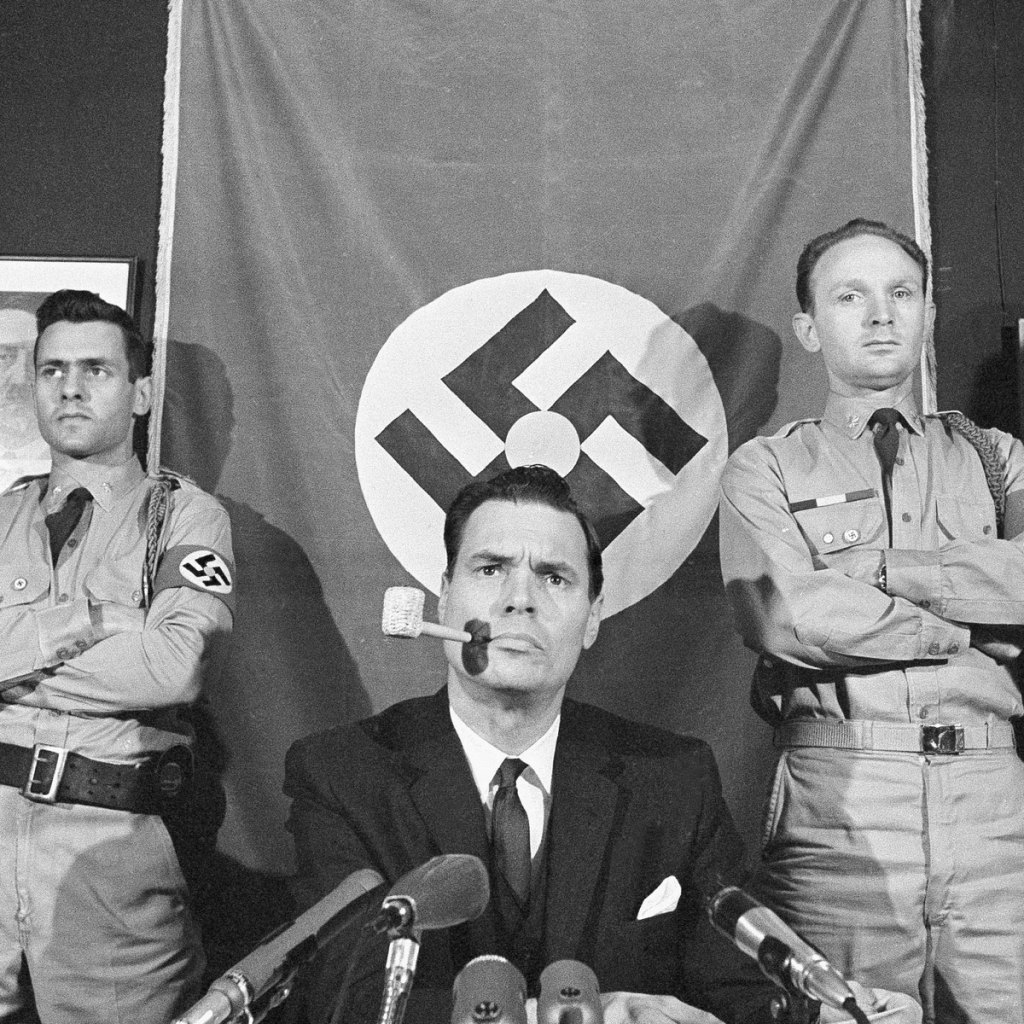
The delivery may be smoother. The speaker may deny any prejudice. The audience may insist that it is all about policy, statistics, or “telling the truth.”
But we still have to examine the substance.
Racism does not need a hood, a slur, or a confession to operate.
And refusing to recognize it until someone supplies all three gives far too many people permission to keep doing it.