Tag: Inclusion

  • The Myth of “Woke” Entertainment

    The Myth of “Woke” Entertainment

    One of the more exhausting cultural debates today revolves around the idea that movies, television shows, and video games have suddenly become “woke.”

    The accusation is usually framed as if diversity in entertainment is something new. That it is an artificial political imposition that has recently invaded popular culture.

    But that claim ignores decades of history.

    Hollywood and the entertainment industry have been practicing what could easily be called “forced diversity” for a long time. The difference is that, historically, the diversity often involved inserting white characters into stories that were originally centered around other cultures.

    Consider the 2003 film Biker Boyz. The movie was marketed as a story about predominantly Black motorcycle clubs. Yet by the time studio executives and producers finished reshaping the film, the central motorcycle crew looked far more like a corporate marketing brochure than a portrayal of the subculture it was supposed to represent.
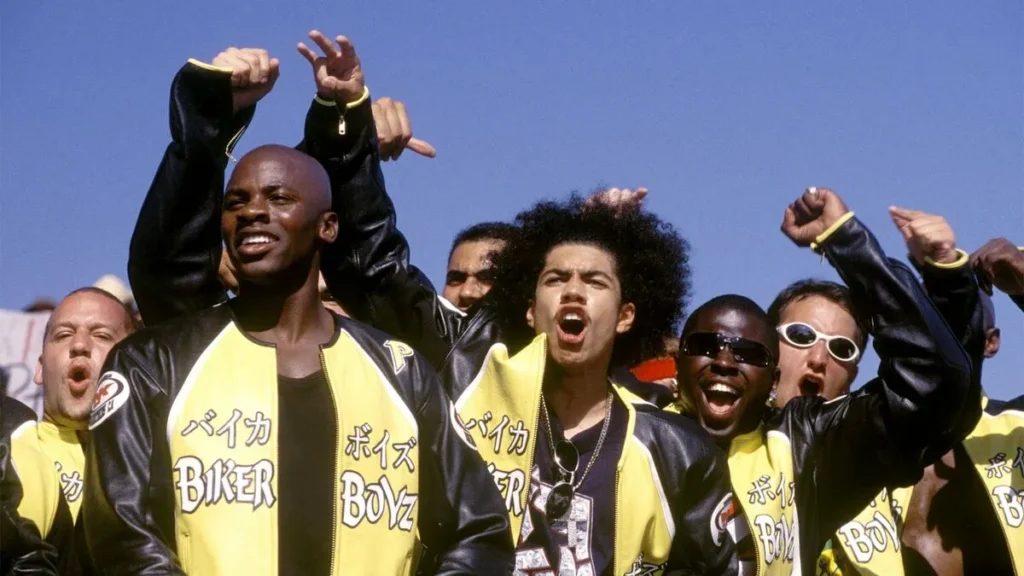
    Kid and his motorcycle gang are cheering on their brother in the movie Biker Boyz

    This wasn’t unusual.

    Films like American Me (1992), Blood In, Blood Out (1993), Colors (1988), and even the breakdancing movies Breakin’ (1984) and Breakin’ 2: Electric Boogaloo (1984) frequently inserted characters designed to make the stories more accessible to mainstream audiences.

    Television followed the same pattern. The sitcom A Different World was originally conceived as a story about a white student attending a historically Black college. Only later, after becoming a spinoff of The Cosby Show, did it shift toward focusing on Black students and Black campus life.
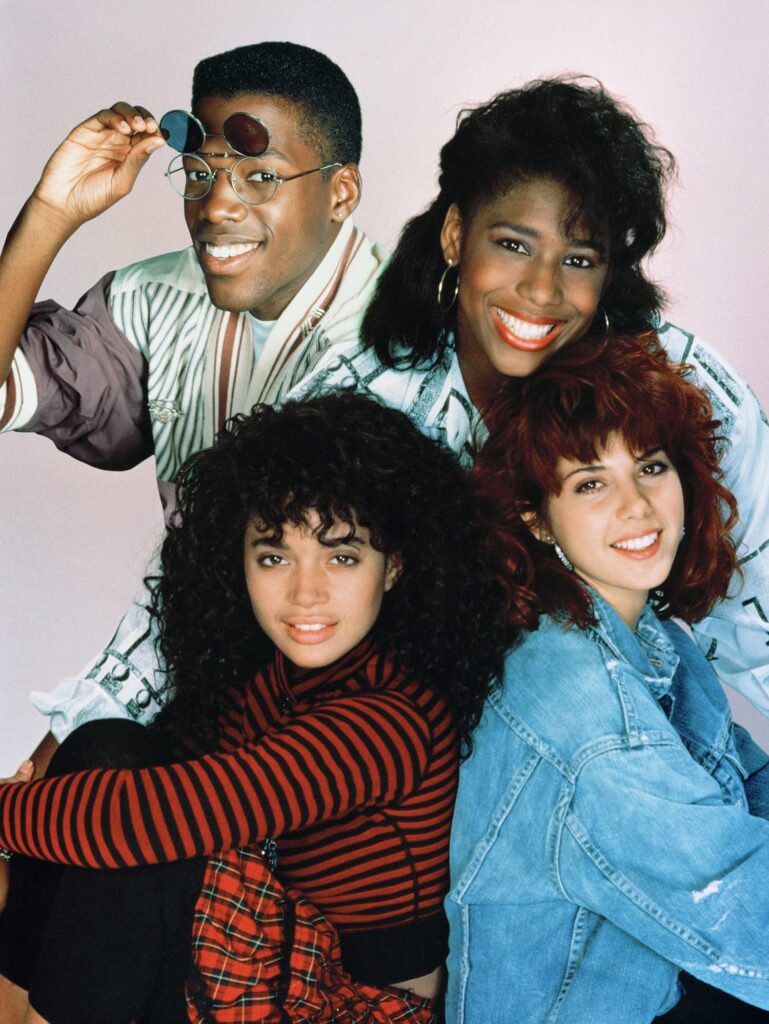
    A Different World was originally supposed to be about Marisa Tomei’s character, Maggie Lauten (bottom right), going to an HBCU before it was decided that it was going to be a spinoff of The Cosby Show.

    In other words, the entertainment industry has long modified stories to appeal to broader audiences. Diversity in casting and storytelling is not a new phenomenon.

    This is not necessarily a bad thing. In fact, seeing more diversity, even in predominantly Black and Latino places and cultures, is good for society, in my humble opinion.

    So what actually changed?

    The major difference today is not the presence of diversity. The difference is who is being centered.

    For decades, popular entertainment overwhelmingly focused on white male protagonists. Stories that did not originally feature them were often altered to include them.

    Today, audiences are increasingly encountering films, television shows, and video games where women, racial minorities, LGBTQ characters, and other groups are present as main characters rather than background figures.

    For some viewers, this shift feels like displacement.

    But representation in storytelling reflects the societies that produce those stories. Modern societies are diverse, and entertainment inevitably reflects that reality.

    None of this means that every casting decision or creative choice is above criticism. There are legitimate artistic discussions about authenticity, historical context, and storytelling choices.

    For example, fantasy worlds inspired by specific historical cultures may raise reasonable questions about how representation is handled within those settings. Those discussions can be worthwhile when they focus on artistic and historical coherence rather than ideological outrage.
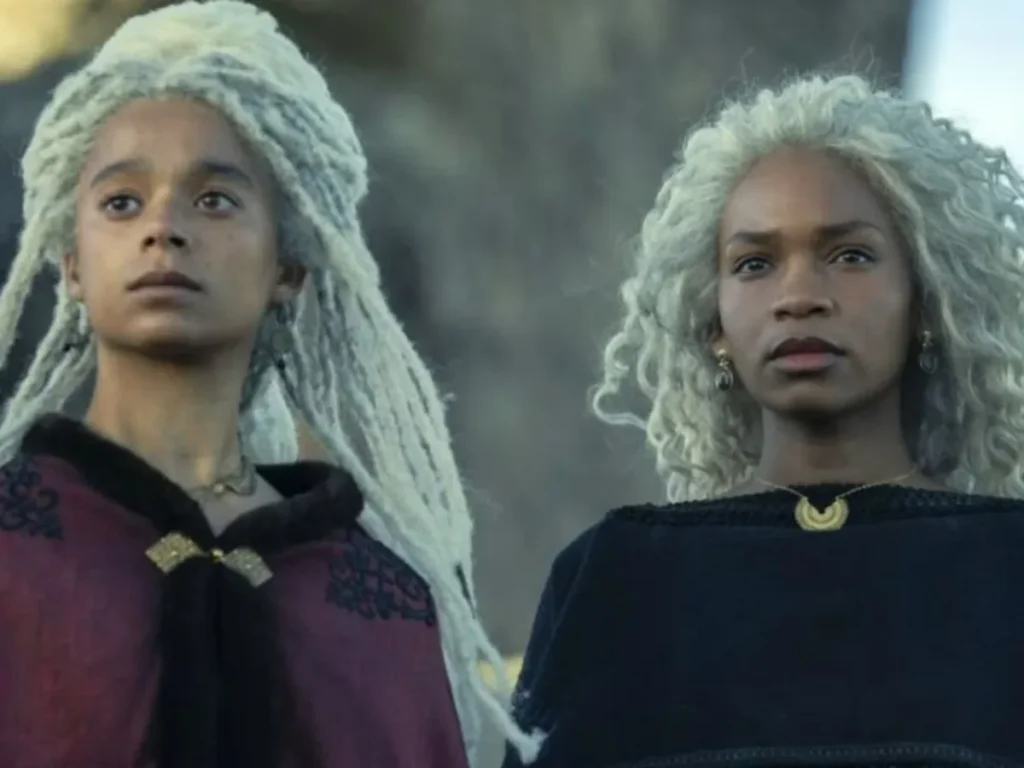
    There are legitimate artistic criticisms of Black Valyrians in HBO’s House of the Dragon. However, it must also be noted that these characters are from a fictional world in a fictional universe.

    But most of the current backlash has little to do with artistic and/or historical integrity.

    Instead, it reflects discomfort with the simple reality that entertainment no longer assumes that one particular demographic must always be the default center of every story.

    The sky is not falling because a video game allows players to customize their character’s identity and pronouns. A science fiction series featuring a Black protagonist does not signal the collapse of civilization. A female action hero does not erase decades of male-led action films.

    What has changed is not storytelling itself.

    What has changed is that more people are finally allowed to see themselves in the story.

  • What Critics Get Wrong About DEI

    What Critics Get Wrong About DEI

    If critics of diversity, equity, and inclusion programs truly want to understand what they are criticizing, they should start by understanding what those programs actually do.

    Much of the political rhetoric surrounding DEI rests on a simple assumption: that these initiatives exist primarily to hire underqualified minorities over more qualified white applicants.

    But that assumption misunderstands the purpose of many DEI programs.

    In many workplaces, DEI initiatives are not hiring programs at all. They are training programs focused on workplace conduct, like how employees interact with one another, how discrimination complaints are handled, and how organizations avoid hostile work environments.

    In other words, they are about behavior inside the workplace, not simply about who gets hired.

    This distinction is often lost in political debates.

    Critics frequently frame DEI as a system that lowers standards or promotes unqualified candidates. Yet those claims are rarely supported with concrete evidence. Instead, the arguments often rely on anecdotes, rumors, or viral stories that later turn out to be false or exaggerated.

    The “litter box in schools” rumor is a good example of how quickly misinformation can spread when it reinforces existing political narratives. The story circulated widely online despite having no factual basis.

    The same pattern often appears in debates about DEI.

    Whenever a person from a marginalized group enters a field traditionally dominated by white men, whether as a pilot, executive, professor, or public official, critics sometimes assume that the person must have been hired to satisfy a quota rather than because of their qualifications.

    That assumption says less about hiring practices than it does about the expectations behind it.

    It reflects a long-standing cultural narrative suggesting that success among minorities must be explained by special treatment rather than merit.

    Yet there are many examples throughout American history that challenge that assumption. The Tuskegee Airmen, for example, demonstrated extraordinary skill and discipline during World War II despite facing discrimination and skepticism about their abilities.

    The same dynamic continues today.

    A recent viral video showed a Black woman completing her first liftoff during pilot training. Professional pilots reviewing the footage described the maneuver as textbook and appropriate for the conditions. Yet some online commentators quickly turned the moment into an argument about DEI and supposed lowered standards.

    This response illustrates how quickly discussions about diversity can become framed through suspicion rather than evidence.

    At the same time, conversations about merit often ignore another powerful force in hiring: nepotism.

    Family connections, social networks, and institutional favoritism have long shaped access to jobs and opportunities across many industries. These advantages disproportionately benefit those already connected to existing power structures.

    Yet these dynamics rarely receive the same level of scrutiny as diversity initiatives.

    The result is a debate that focuses intensely on hypothetical examples of unqualified minority hires while overlooking longstanding systems that have quietly shaped opportunity for generations.

    If we are going to have an honest discussion about merit and fairness, then the conversation needs to address all of the ways opportunity is distributed, not just the ones that fit a particular political narrative.

    The goal is not to flood various industries with underqualified people who check off certain boxes in a checklist of representation from marginalized communities. That is not how DEI works.

    Rather, the goal should be to build institutions where ability, preparation, and performance actually matter more than assumptions about who belongs in a particular role, and everyone has an equal opportunity to get and to promote in various careers without doing so in a hostile work environment.