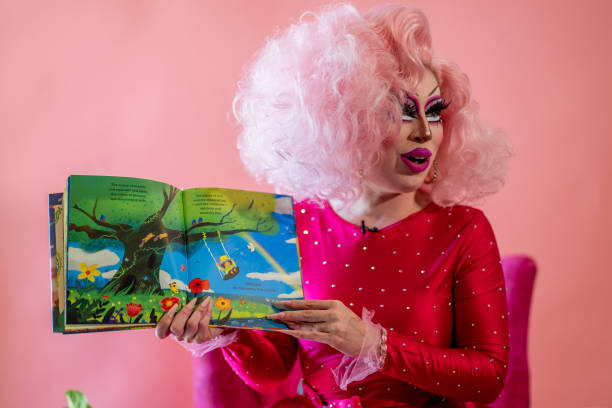
When conservatives are asked to provide empirical evidence of a connection between the LGBTQIA community and pedophilia, the response is rarely data.
Instead, what usually appears are viral clips taken out of context, screenshots circulated by accounts like Libs of TikTok, isolated drag performances from other countries, sermons from openly hostile churches, anecdotes repeated on podcasts, or emotionally charged testimony from activists at school board meetings.
What rarely appears are numbers, peer-reviewed studies, or credible statistical research demonstrating a meaningful relationship between LGBTQIA identity and child predation.
This is not accidental.
The current panic surrounding “groomers” follows a pattern that has appeared repeatedly throughout history. Moral panics often rely on emotionally powerful accusations that frame a targeted group as a threat to children or social order. Once that framing takes hold, evidence becomes secondary to fear.
In many cases, the people promoting these accusations present themselves as defenders of vulnerable children. Yet it is often the same political actors who oppose policies that materially support children, such as expanded healthcare, education funding, or protections against abuse.
That contradiction should raise questions.
For Black Americans in particular, this rhetoric has an unsettling historical echo. Throughout the late nineteenth and early twentieth centuries, Black men were routinely portrayed as sexual predators who threatened white women. These accusations were rarely supported by evidence, but they were politically powerful. They were used to justify segregation, mass incarceration, racial terror, and the destruction of entire Black communities.
The narrative did not have to be true. It only had to be believed.
The same mechanism is visible today. By portraying LGBTQIA people as inherently predatory, political movements can frame discrimination as protection. Policies restricting LGBTQIA rights are then presented not as acts of exclusion, but as necessary defenses of children.
This strategy is not new.
In the early twentieth century, the Ku Klux Klan expanded its influence by presenting itself as a protector of “American values,” white womanhood, and Christian civilization. Films like The Birth of a Nation helped transform the Klan’s image from that of a small terrorist organization in the South into a supposed guardian of social order.
History shows how dangerous that type of narrative can become.
None of this means that abuse never occurs in any community. Sexual abuse exists across every demographic group and social category. But addressing it responsibly requires evidence, data, and careful investigation—not broad accusations aimed at entire populations.
When accusations replace evidence, the goal is rarely child protection. More often, the goal is political mobilization.
Moral panics have always worked that way.