Tag: misogyny

  • Hit Dogs Holler: Growth Requires Listening

    Hit Dogs Holler: Growth Requires Listening

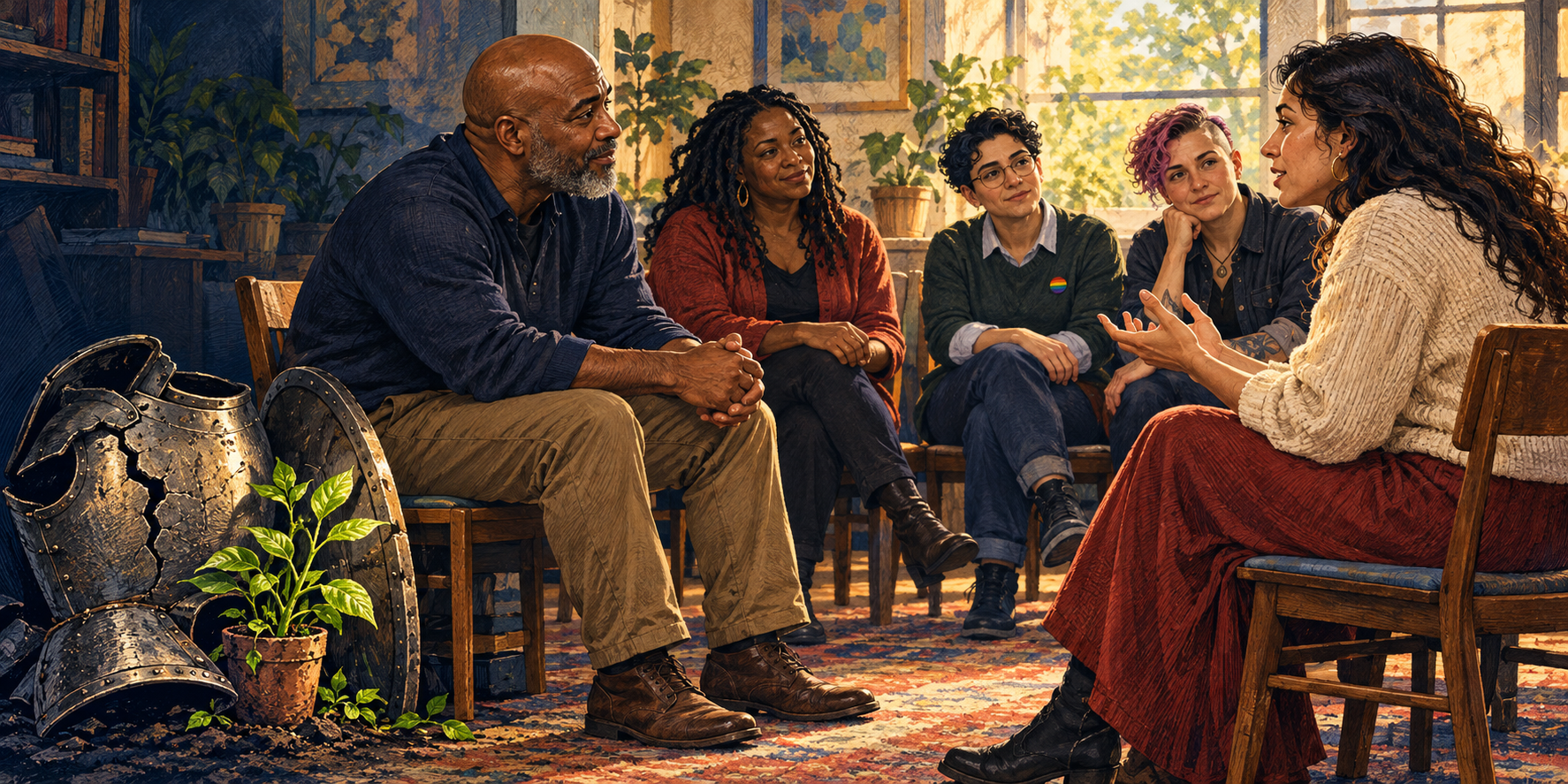
    When people in the LGBTQIA community make blanket statements about transphobia, homophobia, and other forms of bigotry against their community, and those statements are not directed specifically at me, I don’t get angry. I sit back and listen. Do I always agree? No. But I listen. I know that I have my own bigotry against the LGBTQIA community to work out.

    When women talk about rape culture and misogyny, and their comments are not directed specifically at me, I don’t get angry. I sit back and listen. Do I always agree? No. I still have much to learn, and I know I need to check my own sexism and misogyny.

    When my own people (Black people) talk about how Black people are cooning, and their comments are not directed specifically at me, I don’t get angry. I sit back and listen. Again, I don’t always agree… at first… but many times, I learn to adopt those positions. I know that I am guilty of cooning sometimes and have to check my internal anti-Black bias.

    Hit dogs holler. If you are deeply offended by a post that is not about you, to the point of being belligerent and lashing out like an angry child, maybe that is because, deep down, you know you are guilty but don’t want to grow and change. Growth and change require that we first admit there is something wrong. Growth and change require that we be willing to feel the discomfort we’ve made others feel. It requires introspection. It requires asking ourselves hard questions and accepting honest answers we don’t like. It requires that we listen to the voices of marginalized people we’ve affected in ways that go beyond hurt feelings, including acts of violence.

    I know that I am guilty of many things I don’t like. I know that I wrestle with many forms of bigotry. I was raised to be homophobic and transphobic. I was influenced to accept and participate in the exploitation of women. I was conditioned by society to believe that the White man’s ice was colder and his grass was greener. This was all programmed into me from birth and through childhood, and I’ve spent nearly a lifetime trying to deprogram myself.

    So our job is not to pout, cry, bitch, moan, complain, and act out when people are informing us about not only their own experiences with bigotry but also the proven pervasiveness of that bigotry and the continued and accepted marginalization of their communities. Our job is to see, listen, learn, and, most importantly, accept our roles and change. Yes, it is a long process. Yes, we do backslide. Yes, it is uncomfortable and demands that we take responsibility for actions we initially thought were benign. But the goal is growth. The goal is being a better human being.

    Don’t get angry and defensive. Listen.
  • The Epstein Scandal Is Bigger Than Politics

    The Epstein Scandal Is Bigger Than Politics

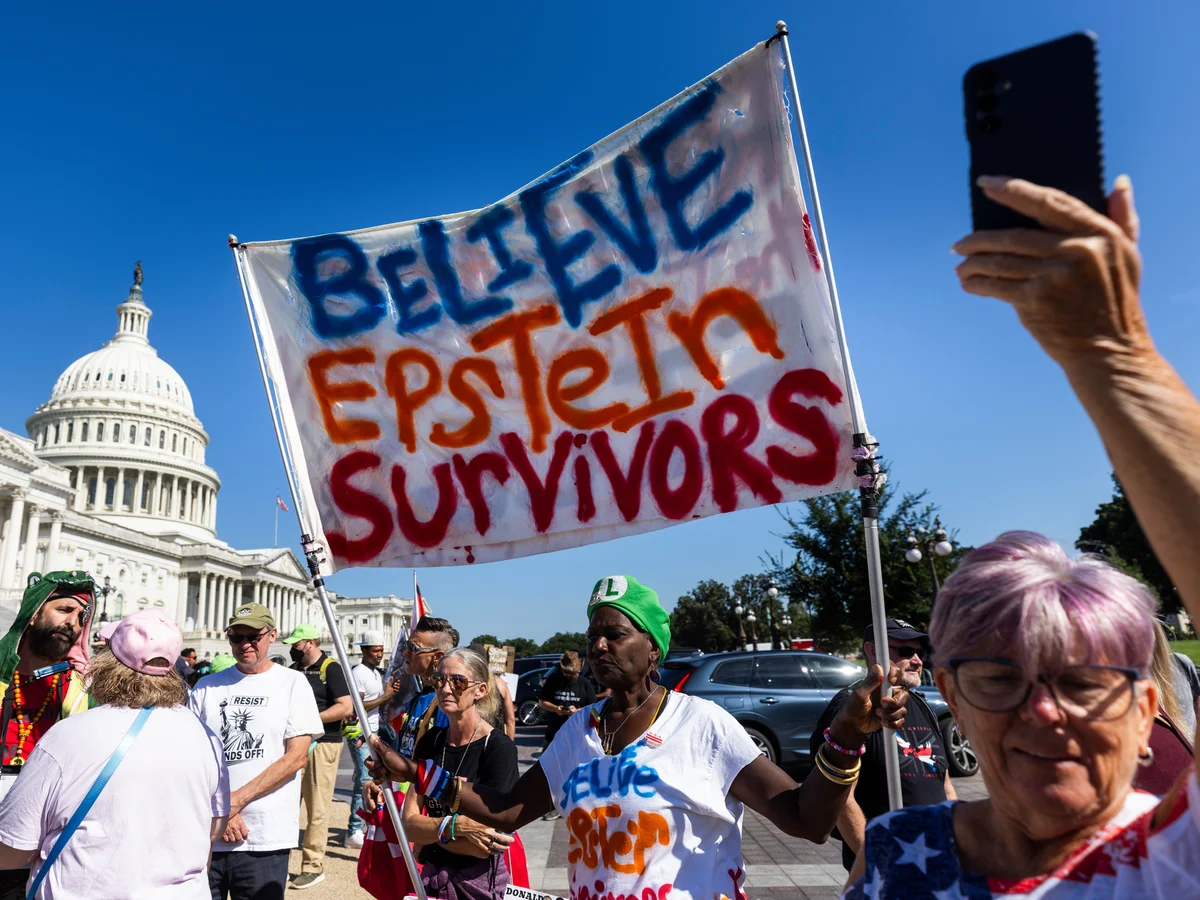
    I have been extremely critical of Donald Trump and the MAGA movement regarding the Epstein case. However, it is important to say something that often gets lost in the political shouting.

    This case is bigger than Trump.

    It is bigger than Jeffrey Epstein himself.
    It is bigger than Bill Clinton, Prince Andrew, or any other powerful individual who may have been connected to Epstein’s network.

    And it is bigger than partisan politics.

    At its core, the Epstein scandal exposes something much deeper: what happens when money, power, and privilege collide with the worst impulses of human behavior, particularly male behavior.

    For decades, we have seen the same pattern repeat itself across politics, entertainment, religion, business, and other powerful institutions. Men with wealth and influence abuse their power to exploit women and girls, while the systems around them protect their reputations.

    Victims are often dismissed, discredited, or accused of ulterior motives. Meanwhile, the perpetrators continue to operate with little consequence.

    The Epstein case revealed a horrifying scale of abuse. Hundreds of young girls were trafficked and exploited. Some estimates suggest the number of victims could exceed a thousand.

    And yet the reaction from many people has been to reduce the scandal to a political weapon.

    Supporters of one political figure point to the involvement of another. Loyalists circle the wagons around people they admire. Victims become secondary to political narratives.

    This reaction is part of the problem.

    Sexual exploitation thrives in environments where powerful people are protected by wealth, influence, and social loyalty. When society treats abuse allegations as partisan ammunition rather than moral failures, accountability becomes almost impossible.

    The disturbing reality is that this problem extends far beyond Epstein’s circle.

    Reports in recent years have exposed online communities where thousands of men openly discuss drugging, assaulting, and exploiting women. Studies consistently show that sexual violence is far more common than many people want to admit. According to organizations such as the Rape, Abuse & Incest National Network (RAINN), roughly one in six women will experience sexual assault during their lifetime.

    These crimes are rarely committed by strangers hiding in dark alleys.

    They are often committed by men known to the victim, such as friends, coworkers, acquaintances, partners, and authority figures.

    This forces an uncomfortable conversation about male behavior more broadly.

    If men are serious about ending sexual violence, the responsibility cannot be placed solely on law enforcement or individual criminals. Men must also examine the attitudes and behaviors that enable these crimes to continue.

    That includes learning to accept rejection, understanding the meaning of consent, and rejecting the idea that status, wealth, or influence entitle anyone to another person’s body.

    This is not about hating men or rejecting masculinity. This is not about pandering to women for dates or sex. It is about recognizing that power without accountability creates environments where abuse flourishes. This is about accountability and responsibility.

    Many of the women harmed by Epstein’s network are now adults living with lifelong trauma. Justice for them should never be reduced to a political talking point.

    If this scandal means anything, it should be a reminder that accountability must apply to everyone. Holding criminals accountable should be the goal, no matter how wealthy, powerful, or politically connected they may be.

    And for men in particular, it should also be a reminder that respect, consent, and responsibility must define how we treat women.

    Anything less allows the cycle to continue.