When conservatives are asked to provide empirical evidence of a connection between the LGBTQIA community and pedophilia, the response is rarely data.
Instead, what usually appears are viral clips taken out of context, screenshots circulated by accounts like Libs of TikTok, isolated drag performances from other countries, sermons from openly hostile churches, anecdotes repeated on podcasts, or emotionally charged testimony from activists at school board meetings.
What rarely appears are numbers, peer-reviewed studies, or credible statistical research demonstrating a meaningful relationship between LGBTQIA identity and child predation.
This is not accidental.
The current panic surrounding “groomers” follows a pattern that has appeared repeatedly throughout history. Moral panics often rely on emotionally powerful accusations that frame a targeted group as a threat to children or social order. Once that framing takes hold, evidence becomes secondary to fear.
In many cases, the people promoting these accusations present themselves as defenders of vulnerable children. Yet it is often the same political actors who oppose policies that materially support children, such as expanded healthcare, education funding, or protections against abuse.
That contradiction should raise questions.
For Black Americans in particular, this rhetoric has an unsettling historical echo. Throughout the late nineteenth and early twentieth centuries, Black men were routinely portrayed as sexual predators who threatened white women. These accusations were rarely supported by evidence, but they were politically powerful. They were used to justify segregation, mass incarceration, racial terror, and the destruction of entire Black communities.
The narrative did not have to be true. It only had to be believed.
The same mechanism is visible today. By portraying LGBTQIA people as inherently predatory, political movements can frame discrimination as protection. Policies restricting LGBTQIA rights are then presented not as acts of exclusion, but as necessary defenses of children.
This strategy is not new.
In the early twentieth century, the Ku Klux Klan expanded its influence by presenting itself as a protector of “American values,” white womanhood, and Christian civilization. Films like The Birth of a Nation helped transform the Klan’s image from that of a small terrorist organization in the South into a supposed guardian of social order.
History shows how dangerous that type of narrative can become.
None of this means that abuse never occurs in any community. Sexual abuse exists across every demographic group and social category. But addressing it responsibly requires evidence, data, and careful investigation—not broad accusations aimed at entire populations.
When accusations replace evidence, the goal is rarely child protection. More often, the goal is political mobilization.
Ten years ago, Critical Race Theory was a relatively obscure academic course, typically offered at the university or graduate school level. Relatively few people, mostly those with majors and/or minors in sociology or African and African American Studies, or those seeking a law degree, were aware that this course even existed. Since around 2020, Critical Race Theory (CRT) has become one of, if not the most controversial, subjects in schooling, and the proverbial boogeyman of everything wrong with contemporary education in the United States. For those on the right side of the political spectrum, CRT has been blamed for many of the societal ills in today’s America.
But what exactly is Critical Race Theory?
CRT is an academic and legal framework created by law school professors, activists, and academics, including Derrick Bell, Alan Freeman, Kimberlé Crenshaw, Angela Harris, Charles Lawrence, Mari Matsuda, and Patricia Williams during the mid-1970s. These individuals observed that the advances of the Civil Rights Movement were stalling and even being rolled back. They realized that racism was getting more covert and subtler than it was during the 1950s and 1960s, the peak of the Civil Rights Movement. They concluded that new theories and legal strategies were necessary to identify and combat these more covert forms of racism.
Critical Race Theory teaches that race is not a legitimate scientific taxonomical classification of human beings with varying physical differences. Instead, race is a somewhat arbitrary social construct in which the effects of the belief in the scientific validity of race are still very socially significant.
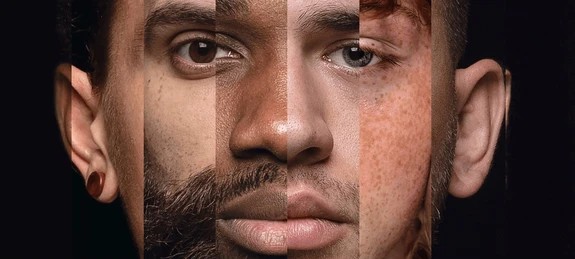
Mosaic of different racial characteristics forming one male face.Black and White twins, Lucy (L) and Maria Aylmer (R). The girls are fraternal twins with the same biological parents, Donna Douglas (a black woman with a white parent) and Vince Aylmer (a white man). Often mistaken for friends, the girls often carry birth certificates to prove that they are sisters.
It also teaches that racism is not merely the anomalous product of misled individuals. Rather, it is the embedded feature of a society built on racial separation, animosities, and rigid hierarchies. Racism is woven into laws, policies, and practices despite the claims and assertions of meritocracy and color-blindness. Racism is not always the intentional consequence of malevolent deeds of individuals due to ignorance, hatred, or irrationality. Instead, racism is more often a manifestation of the unintentional consequences of subconscious choices, even though these consequences can be predicted by those who are aware of the ambience of racism.
Opponents of CRT argue that it is a racist ideology, rooted in Marxism, that demonizes white people for the actions of a relative few in the past. In their minds, CRT scapegoats white people for the socioeconomic and moral failure of many black people and other racial minorities. They conflate Diversity, Equity, and Inclusion (DEI) initiatives (such as DEI training) with Critical Race Theory courses. They claim that CRT is being taught to children in K-12 schools in non-English and Non-Social Studies courses.
The Backlash…
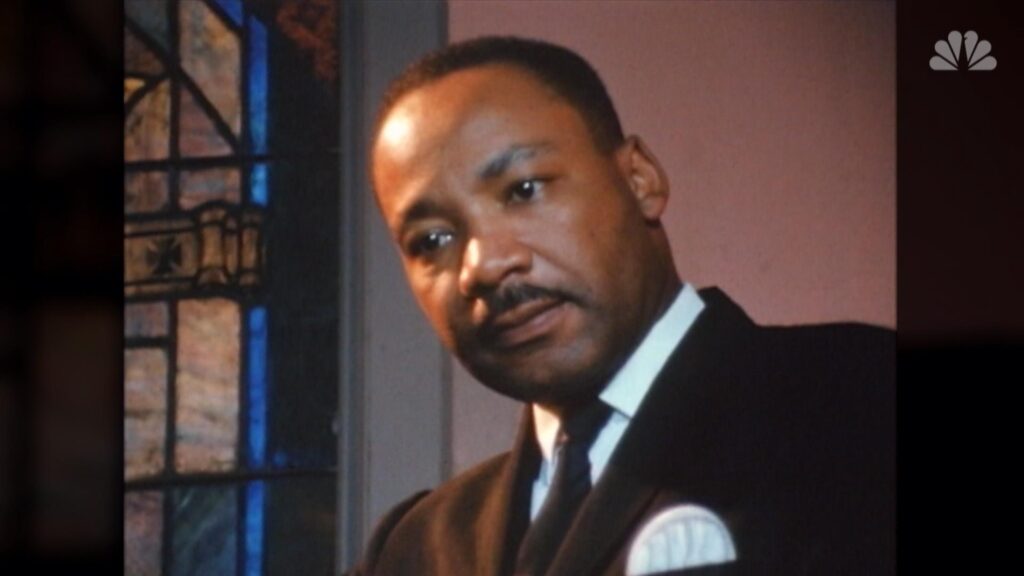
Dr. Martin Luther King Jr during his May 8, 1967, NBC Interview
“… And honesty impels me to admit that America has a broad racist element still alive. Racism is still existing in American society in many areas of America, North and South. And the other thing is that there has never been a single solid, determined commitment of large segments of white America on the whole question of racial equality. I think we have to see that vacillation has always existed. Ambivalence has always existed. And this, to me, is the so-called “white backlash.” It is merely a new name for an old phenomenon. I see the white backlash as a continuation of the same ambivalence and vacillation of white America on the whole question of racial justice that has existed since the founding of our nation.
I think the other thing that we must see at this time is that many of the people who supported us in Selma, in Birmingham, were really outraged about the extremist behavior toward Negroes, but they were not at that moment, and they are not now committed to genuine equality for Negroes. It’s much easier to integrate a lunch counter than it is to guarantee an annual income, for instance, to get rid of poverty for Negroes and all poor people. It’s much easier to integrate a bus than it is to make genuine integration a reality, quality education a reality in our schools. It’s much easier to integrate even a public park than it is to get rid of slums. I think we are in a new era, a new phase of the struggle, where we have moved from a struggle for decency, which characterized our struggle for 10 or 12 years, to a struggle for genuine equality. And THIS is where we’re getting the resistance, because there was never any intention to go this far. People were reacting to Bull Connor [Commissioner of Public Safety in Birmingham, Alabama] and to Jim Clark [sheriff of Dallas County, Alabama] rather than acting in good faith for the realization of genuine equality.”
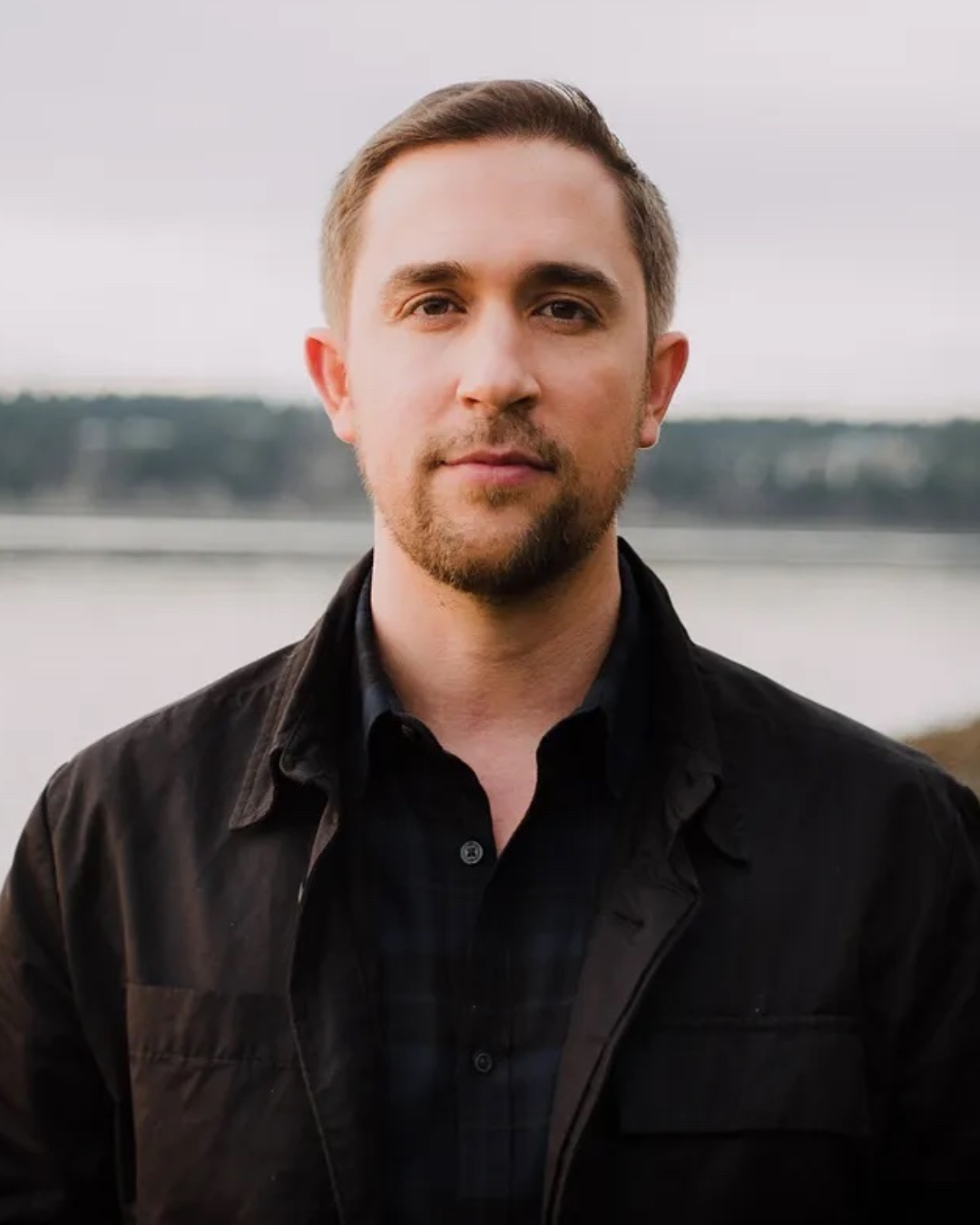
Christopher Rufo seemed like a man looking for a cause. He found it in 2018 when he ran across anti-bias documents while running for a Seattle city council seat. He lost his race, but he gained a cause to advance his political career in other ways. He then started collecting curricula and slide shows for anti-racism seminars throughout Seattle, Washington. He interpreted the methods and bullet points from these workplace trainings as anti-white racist attacks.
The anti-racism seminars pointed him to books by anti-racism authors. Going further down the proverbial rabbit hole, the anti-racism authors, such as Ibram X. Kendi and Robin DiAngelo, led him to CRT and the works of its founders.
Rufo leaned heavily on CRT and its connections to more radical and leftist philosophical influences while ignoring influences of those more moderate or with more mainstream appeal, like Dr. Martin Luther King Jr., James Baldwin, and others. He was convinced that CRT was radical and Marxist and therefore a poison on this good and moral capitalistic society. Rufo found a new battle in the continuing culture war between the political left and the political right.
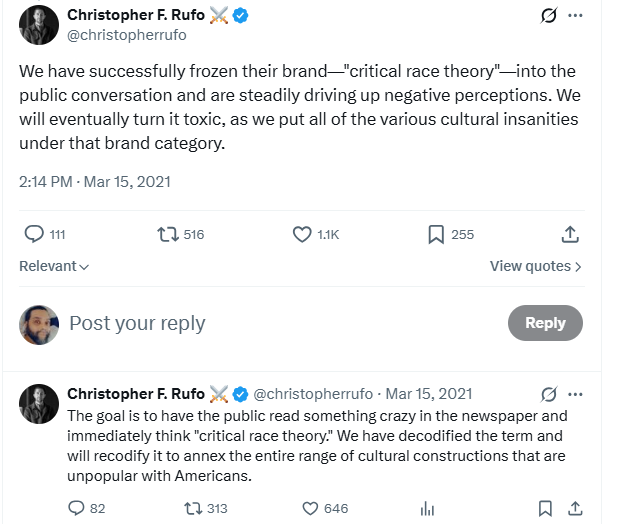
Christopher Rufo launched a relentless propaganda campaign against CRT. Critical Race Theory became a catch phrase for every aspect of black-centered, anti-racist, and inclusive lessons within all school programs, including K-12.
Rufo was proud of his work and how quickly news outlets and politicians on the right caught on to his messaging. Because of this, he wasn’t shy about bragging about his methods. He wrote in a correspondence with Angie Wang of the New Yorker:
“We’ve needed new language for these issues. ‘Political correctness’ is a dated term and, more importantly, doesn’t apply anymore. It’s not that elites are enforcing a set of manners and cultural limits, they’re seeking to reengineer the foundation of human psychology and social institutions through the new politics of race, It’s much more invasive than mere ‘correctness,’ which is a mechanism of social control, but not the heart of what’s happening. The other frames are wrong, too: ‘cancel culture’ is a vacuous term and doesn’t translate into a political program; ‘woke’ is a good epithet, but it’s too broad, too terminal, too easily brushed aside. ‘Critical race theory’ is the perfect villain
Its connotations are all negative to most middle-class Americans, including racial minorities, who see the world as ‘creative’ rather than ‘critical,’ ‘individual’ rather than ‘racial,’ ‘practical’ rather than ‘theoretical.’ Strung together, the phrase ‘critical race theory’ connotes hostile, academic, divisive, race-obsessed, poisonous, elitist, anti-American.” Most perfect of all critical race theory is not ‘an externally applied pejorative.’ Instead, it’s the label the critical race theorists chose themselves.”
On X, Rufo made this post bragging about his work:
Rufo did a very good job with his propaganda, but he had given up the game on a public social media platform and to a writer in a media magazine. His ego is about as big as his goals, and he couldn’t help but take a bow and a victory lap. His work was done.
What now?
The issue with CRT was that it was a little bit too vague and too alien for most people. Rufo’s propaganda campaign worked, but not as well as he thought it would. CRT, as a sinister Marxist plot against white people and America, was replaced a couple of years ago by DEI. CRT is mainly about race. DEI can be about anything and everyone that doesn’t check all boxes for every privileged group in the various social hierarchical systems that exist in the United States. CRT is still looked at with suspicion by those on the political right, with school-aged children who may have gotten offended after a history lesson about chattel slavery in the United States. There were laws passed in many states to ban CRT in K-12 schools. However, there was no evidence that the course itself was being taught in K-12 schools. Rather, only certain ideas associated with CRT have made it to K-12 classrooms. Also, these bans are usually vague, with CRT being poorly defined.
Christopher Rufo got many people on the right side of the political spectrum to hate and fear a university and law school course that they don’t really understand through a constant propaganda campaign. He recognized that the obscurity of the course was its weakness from a public relations perspective. He also understood that emancipatory movements and initiatives were almost always followed by irrational reactionary backlash. He made a relatively unknown course and made it public enemy #1 for a period of four or five years.