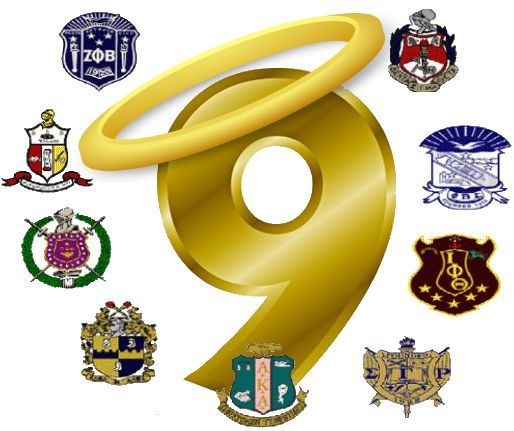
For many years, I have wanted to become a member of one of the Divine Nine organizations. That interest goes all the way back to my senior year of high school, although circumstances prevented me from pursuing that path at the time.
Even now, the idea still appeals to me.
At the same time, I recognize something important: these organizations have long histories, traditions, and cultural norms. If I eventually seek membership, I cannot expect those institutions to change their identity simply to accommodate my personal beliefs.
Respect has to go both ways. If they respect me enough to accept me as a member, I have to respect the organization enough to conform to their standards when representing the organization.
This question came to mind recently after a member of Alpha Phi Alpha made headlines for wearing a pink suit and high heels during his graduation ceremony while wearing his fraternity sash. The member, who identifies as part of the LGBTQIA community, chose to celebrate his achievement in a way that expressed his personal identity.
The reaction to that moment highlighted a tension that exists within many historically Black institutions.
On paper, the Divine Nine organizations do not discriminate based on race, religion, or sexual orientation. In practice, however, many members, especially from older generations, hold traditional views about religion, sexuality, and gender expression.
That tension is not unique to fraternities and sororities. It reflects broader debates happening throughout the Black community.
For example, I am an atheist. I understand that every Divine Nine organization was founded within a Christian cultural context, and that prayers and religious language are often part of meetings and ceremonies. If I were to become a member someday, I would not expect those traditions to disappear simply because I do not share the same religious beliefs.
All I would ask is the same courtesy in return: the ability to live according to my own philosophical beliefs while respecting the traditions of the organization.
The situation becomes even more complicated when questions of sexual orientation and gender expression enter the picture. Unlike religious belief, which can remain private unless someone chooses to disclose it, gender expression is often visible.
That visibility can place LGBTQ members in environments where parts of the membership may still be uncomfortable with their identity or self-expression.
In the case of the Alpha Phi Alpha member who wore heels to his graduation, I believe it is important to remember the context. He was not attending a fraternity meeting or ritual event. He was celebrating his personal academic achievement, and he chose to do so in a manner that reflected his personality and personal identity.
However, he wore the graduation stole of the organization during his graduation, and therefore was a reflection of the organization’s values and reputation.
It is a complicated debate.
Ultimately, moments like this raise a broader question for institutions like the Divine Nine and for the Black community as a whole: how do we balance tradition with evolving understandings of identity and inclusion?
These organizations have historically played vital roles in leadership, scholarship, and community uplift. As society continues to change, those institutions will inevitably face conversations about how welcoming they are to members whose identities or beliefs fall outside traditional expectations.
I hope those conversations lead toward greater understanding rather than deeper division.
And while I am not yet a member of any Divine Nine organization, I still hope that if I ever do join one, it will be in a spirit of mutual respect: respect for the organization’s traditions and respect for the individuality of the people who choose to become part of it.