One of the more puzzling arguments I have seen on social media comes from people (ADOS and FBA) who dismiss policies like universal healthcare, tuition-free public college, or a living wage as unrealistic “pie-in-the-sky” ideas, while simultaneously insisting that reparations for slavery and Jim Crow should be a major policy priority.
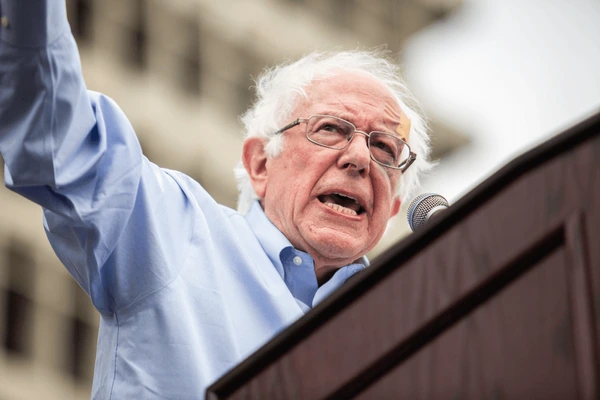
This contradiction became especially visible during the 2020 Democratic primary when people attacked Bernie Sanders’ supporters online. I posted a Bernie “Infinity Gauntlet” meme referencing several progressive policy goals, and the response from some critics was predictable: comments about how those policies were impossible, along with sarcastic questions like “Where is the reparations stone?”
But that criticism raises a serious question.
If policies that benefit tens of millions of Americans—things like universal healthcare or free public college—are supposedly too politically difficult to achieve, what does that say about the political chances of reparations?
A $15 minimum wage benefits workers across racial lines. Universal healthcare benefits everyone who needs medical care. Free public college benefits families nationwide.
Reparations, by definition, address a specific historical injustice and would primarily benefit the descendants of enslaved people. That makes it politically even more challenging within the current American political system.
This is not an argument against reparations. I support the idea of reparative policies for the legacy of slavery and Jim Crow.
The point is about political honesty.
If a politician tells voters that universal healthcare or a Green New Deal is unrealistic while simultaneously promising to pursue reparations, it is reasonable to question whether that promise is sincere or simply a form of political pandering.
Real political change rarely begins with cautious, incremental thinking. It begins with bold proposals that shift the boundaries of what people believe is possible.
Abolitionists were once told that ending slavery was unrealistic. Civil rights leaders were told that full legal equality was politically impossible. Major social reforms, from labor rights to voting rights, often began as ideas that the political establishment dismissed as radical.
Not every bold proposal becomes law immediately. In fact, many fail in the short term.
However, political movements often start by pushing ideas that expand the horizon of what people are willing to imagine.
That is why the debate about “realistic” politics matters.
If political leaders only pursue policies that the existing power structure already accepts, meaningful change rarely happens. Progress usually comes from those willing to challenge the limits of what the political establishment considers possible.
If universal healthcare, free-college tuition, and other progressive campaign promises and goals are unrealistic, then so is the possibility of America paying the debt that it owes Black Americans.
Whether one supports Bernie Sanders or not, that broader principle remains true.
Political courage has always been the starting point for major social change.