Tag: Police

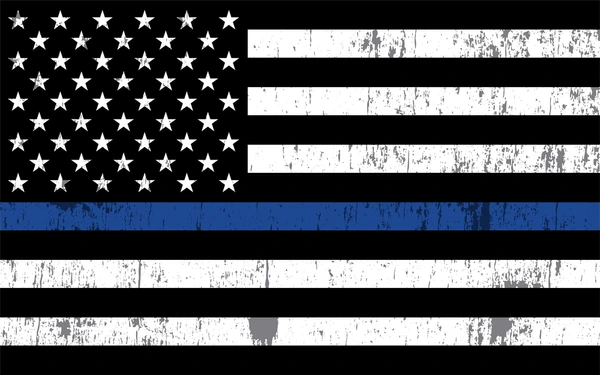
  • Policing, Power, and the Battle Over Public Narrative Part 3: Why “Blue Lives Matter” Misses the Point

    Policing, Power, and the Battle Over Public Narrative Part 3: Why “Blue Lives Matter” Misses the Point

    In response to the Black Lives Matter movement, a new slogan began circulating in political discourse: “Blue Lives Matter.”

    Supporters of the phrase often describe it as a show of solidarity with law enforcement officers. At first glance, that explanation may appear reasonable.

    However, the slogan presents several problems.

    First, policing is a profession, not an identity. Individuals choose to become police officers, while race is an inherent characteristic that people do not choose.

    Second, police officers already receive substantial institutional support and public recognition.

    When an officer is killed in the line of duty, the incident typically receives widespread media attention. Memorial funds are established, funeral services are attended by officials from multiple agencies, and the officer’s name may be added to national memorials honoring fallen law enforcement personnel.

    Numerous organizations also exist specifically to support police officers and their families. These include groups such as:

    • Concerns of Police Survivors (C.O.P.S.)
    • The Fraternal Order of Police Foundation
    • The Officer Down Memorial Page
    • The National Law Enforcement Officers Memorial Fund

    In other words, support systems for police officers already exist and are widely recognized.

    The phrase “Blue Lives Matter,” therefore, does not address a lack of recognition or support for law enforcement. Instead, it emerged primarily as a reaction to the concerns raised by Black Lives Matter.

    Because of this context, many people, including me, view the slogan not as a genuine expression of support for police officers, but as a cynical rhetorical attempt to dismiss the grievances being expressed by those calling for police accountability.

    It is entirely possible to support the idea of law enforcement while also demanding transparency and accountability within policing institutions.

    In fact, those goals are not contradictory. They are mutually reinforcing.

    Public trust in law enforcement grows stronger when citizens believe that misconduct will be taken seriously and addressed fairly.

    Ultimately, the goal should not be to compete over slogans or hashtags. The goal should be to create a justice system that treats every person with equal dignity and respect under the law.
  • Policing, Power, and the Battle Over Public Narrative Part 2: The Myth of a “War on Police”

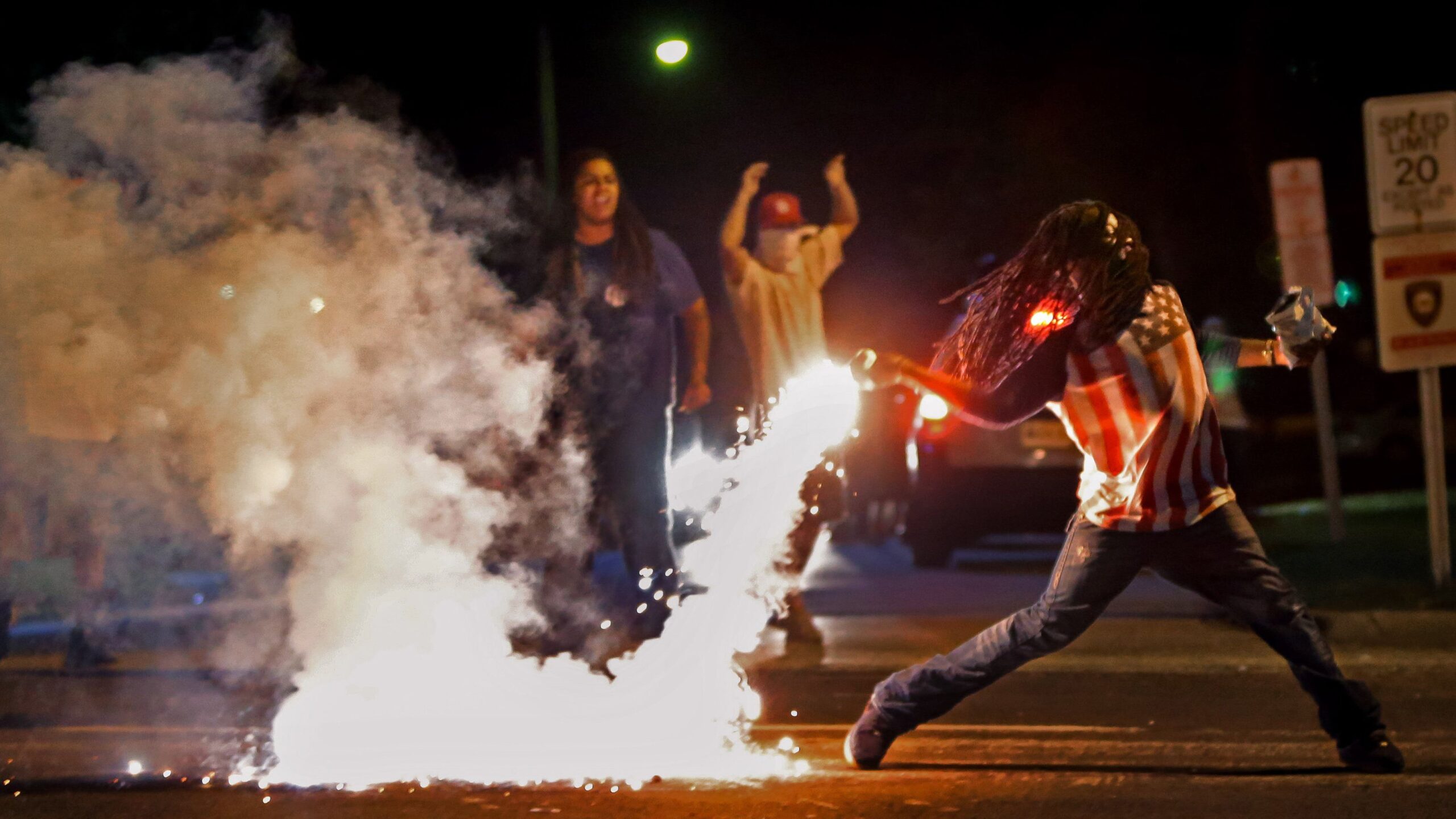
    Policing, Power, and the Battle Over Public Narrative Part 2: The Myth of a “War on Police”

    One of the most common claims made by critics of the Black Lives Matter movement is that it promotes hostility toward law enforcement or contributes to what some commentators describe as a “war on police.”

    This claim has been repeated frequently in political commentary and media coverage. However, when the available evidence is examined, the narrative becomes far less convincing.

    Statistics from organizations such as the National Law Enforcement Officers Memorial Fund show that the number of police officers killed in the line of duty has generally declined over the past several decades (except for during the peak of the COVID pandemic, when all crimes were spiking).

    Even during the years following the rise of the Black Lives Matter movement, the overall number of officer fatalities has remained historically low compared to earlier periods in American history.

    In other words, the idea that police officers are facing unprecedented levels of violence is not supported by the available data.

    It is also worth noting that the individuals responsible for attacks on police officers come from a wide variety of backgrounds and motivations. Some attacks have been politically motivated, while others were committed by individuals with no connection to any political movement.

    Despite this, critics often attempt to attribute every violent incident involving police officers to the Black Lives Matter movement as a whole.

    This is a logical fallacy.

    Large social movements consist of many individuals and groups with different motivations and beliefs. Holding an entire movement responsible for the actions of isolated individuals is both inaccurate and intellectually dishonest.

    At the same time, when politically motivated violence against police officers has been carried out by individuals associated with far-right ideologies, those incidents are rarely used to condemn conservative political movements as a whole.

    This double standard plays a significant role in shaping the public narrative surrounding policing and protest.

    Criticism of police misconduct is not the same thing as hostility toward police officers. In fact, many people who call for police accountability also believe that effective and professional law enforcement is essential to a functioning society.

    The real issue is not whether police officers deserve support.

    The real issue is whether the institutions responsible for enforcing the law are held accountable when mistakes or abuses occur.