Tag: Poverty

  • Faith, Poverty, and the Problem of Suffering

    Faith, Poverty, and the Problem of Suffering

    One thing that has always puzzled me is how deeply religious many of the most desperate people in the world tend to be.

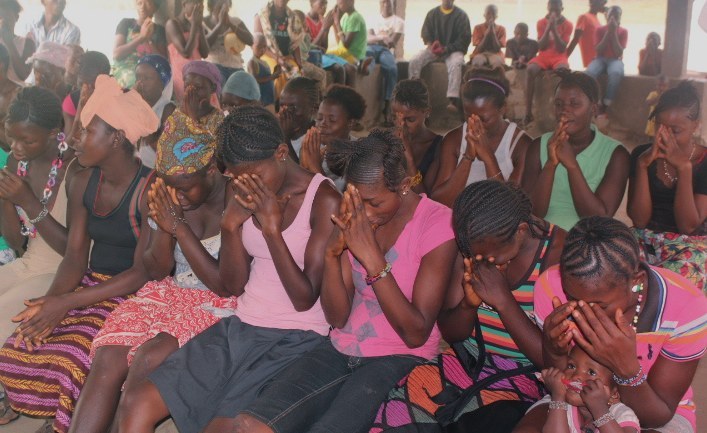
    In many parts of the Global South, countries dealing with poverty, political instability, civil wars, or ethnic violence, religion often plays an enormous role in everyday life. The same pattern appears in many impoverished communities in the United States as well, including historically marginalized Black communities.

    At first glance, that seems counterintuitive.

    You might expect that people living under the harshest conditions would be the most likely to question the existence of a loving and powerful deity. After all, if a God exists who is both omnipotent (all-powerful) and omnibenevolent (all-loving), why would so many of the people who pray to that God be trapped in poverty, violence, and instability?

    Philosophers have asked versions of that question for centuries.

    It is sometimes called the Problem of Evil: if God is all-powerful, all-knowing, and all-loving, why does suffering exist at such a massive scale?

    This question becomes especially difficult when we look at the distribution of suffering in the world. Many of the most devout populations live in places where resources are scarce, healthcare is limited, life expectancy is lower, and political systems are unstable. Meanwhile, many of the wealthiest and most secure societies on earth are becoming increasingly secular.

    That contrast raises uncomfortable questions.

    Why would a loving deity allow the most faithful believers to live under the harshest conditions? Why are so many people who pray daily still forced to struggle for necessities like food, clean water, medical care, and safety?

    Believers have offered many answers. Some argue that suffering is part of a divine plan. Others say it results from human free will, corruption, or the brokenness of the world. Some suggest that faith provides psychological strength that helps people endure hardship.

    But for skeptics and atheists like me, these explanations often feel unsatisfying.

    From a secular perspective, religion can sometimes appear less like a response to evidence and more like a coping mechanism. It becomes something that provides emotional comfort in situations where people have little control over their circumstances.

    Despite this, I understand the need for people to seek the hope of religion… at lest on a purely psychological level.

    Human beings have always created systems of meaning to help them survive hardship. Faith can offer community, hope, and psychological resilience in environments where those things are desperately needed. I get that.

    But still, the philosophical tension remains.

    If suffering is widespread, persistent, and often falls hardest on those who are already vulnerable, it raises difficult questions about the nature, or even the existence, of an ominbelevolent, ominscient, omipresent, and omnipotent supreme supernatural being.

    For many atheists, that tension is one of the reasons belief becomes difficult to maintain.

    Not because we dislike religion or want to antagonize believers… well, at least not me… most of the time, but because the world itself often appears incompatible with the idea of a benevolent and actively intervening deity, especially in many of the most religious countries.
  • The Real Reason Birth Rates Are Falling in the West

    The Real Reason Birth Rates Are Falling in the West

    Many political commentators, particularly in certain corners of the internet, claim that declining birth rates in Western countries are caused by cultural forces such as feminism, LGBTQ visibility, secularism, or multiculturalism.

    But the data tells a much simpler story.

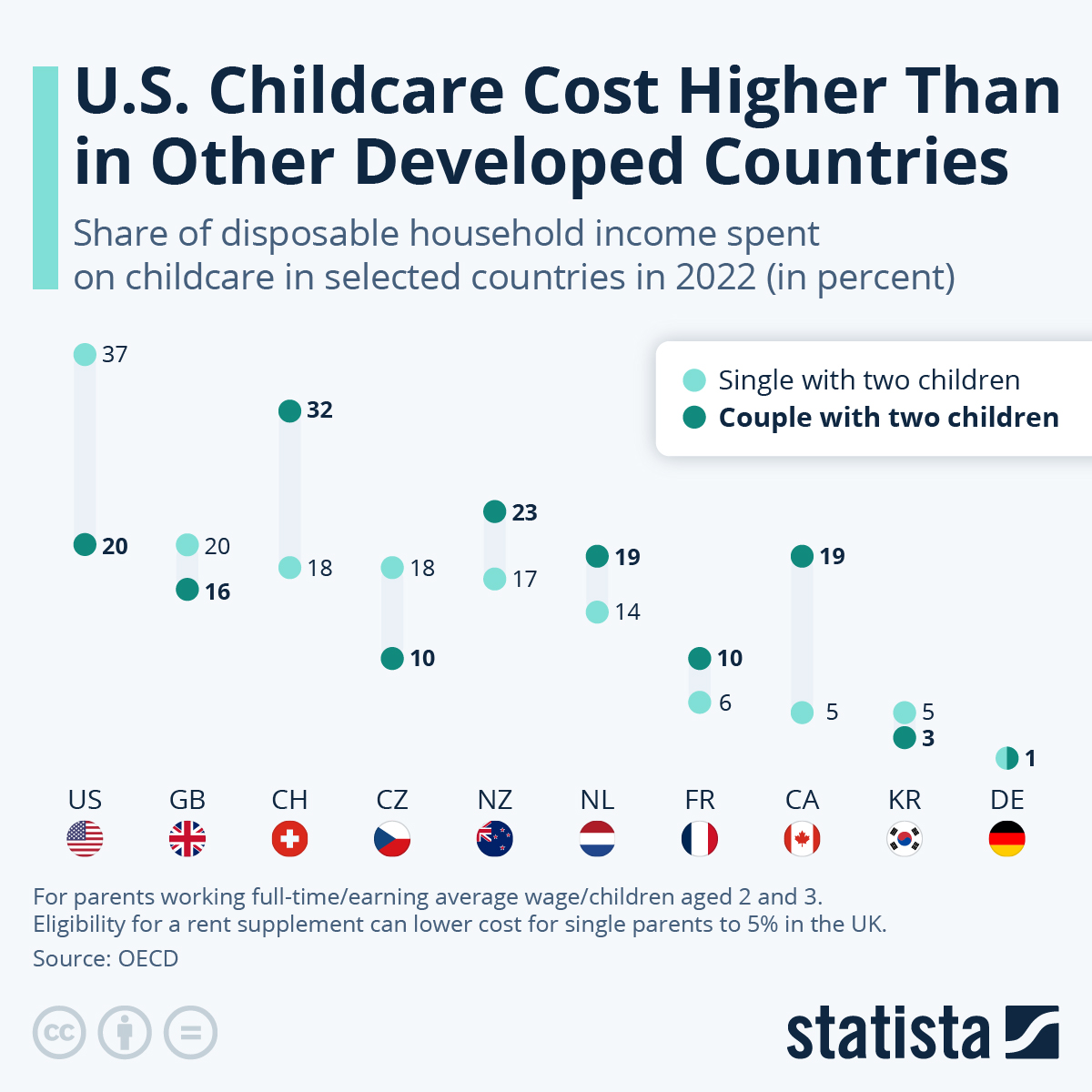
    Birth rates tend to decline in societies where the cost of living rises faster than wages and where raising children becomes financially burdensome. This pattern has been observed across numerous developed countries regardless of political ideology or cultural identity.

    The modern cost of raising children is enormous.

    Childcare alone can cost more than rent or a mortgage in many American cities. Necessities for early childhood, such as diapers, formula, baby supplies, healthcare, and education, add thousands of dollars in additional expenses each year. Even the cost of childbirth itself in the United States can reach tens of thousands of dollars, depending on insurance coverage.

    Beyond early childhood, families face additional financial pressures, including school activities, transportation, clothing, healthcare, housing, and eventually the cost of higher education.

    For many households, the financial calculation becomes unavoidable.

    Having children is no longer simply a social expectation—it is a long-term economic commitment that can reshape a family’s entire financial future.

    There is also the question of uncertainty.

    Parents today worry about issues that earlier generations rarely considered: school shootings, economic instability, climate change, political polarization, and the general unpredictability of the modern world. Whether those fears are fully justified or not, they still influence how people think about bringing children into that world.

    Historically, family structures looked very different.

    In the early twentieth century, large families were common not because people were more “family-oriented,” but because economic and social conditions were different. Housing was cheaper, extended families often lived together, and childcare responsibilities were shared across multiple generations.

    Children were also seen as economic contributors to the household rather than long-term financial obligations.

    Today, the expectations are very different. Families are expected to provide private bedrooms, extensive educational opportunities, extracurricular activities, and a high standard of living for each child. At the same time, extended family support systems have weakened, and childcare has become a market commodity rather than a shared community responsibility.

    The result is predictable.

    Many couples decide that having fewer children, or no children at all, is the most financially responsible decision they can make.

    If governments and societies genuinely want to increase birth rates, the solution is unlikely to come from cultural panic or political rhetoric.

    It will come from addressing the economic realities that make raising children increasingly difficult: housing costs, childcare affordability, healthcare expenses, and long-term financial security.

    When people feel economically stable and confident about the future, they are far more likely to start families.

    History suggests that prosperity and security—not cultural fear—are the conditions under which birth rates tend to rise.

  • Poverty Looks the Same Everywhere

    Poverty Looks the Same Everywhere

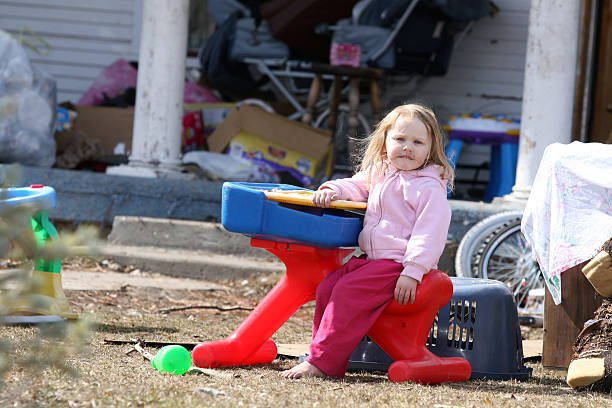
    One of the things that traveling around the United States has taught me is that poverty appears remarkably similar, regardless of where you encounter it.

    Despite the racial narratives that often dominate political conversations, the visible signs of poverty tend to repeat themselves in the same ways across the country.

    The same kinds of conditions that people associate with poor urban neighborhoods (many of which are predominantly Black or Latino) can also be found in economically depressed small towns that are overwhelmingly white.

    In both places, you see the same signs of economic struggle.

    You see old vehicles with long-expired temporary tags.
    You see houses in serious need of repair.
    You see groups of men standing around with little to do but pass the time drinking.
    You see drug use and the informal economies that grow around poverty, including prostitution.

    The physical environments may differ somewhat. Urban poverty often exists in densely populated neighborhoods surrounded by wealthier suburbs. Rural poverty tends to exist in isolated towns surrounded by farmland or land owned by more affluent property holders.

    But the underlying conditions are strikingly similar.

    Poverty produces the same kinds of social and economic realities regardless of the racial makeup of the people experiencing it.

    Traveling makes that clear in a way that political rhetoric often obscures.

    In political debates, poverty is frequently racialized. Certain communities are blamed for the conditions in which they live, while others are treated as victims of economic change or government neglect.

    But when you actually see these communities up close—when you drive through them, walk through them, and talk to the people who live there—the similarities become difficult to ignore.

    Poverty is not confined to one race or one region.

    It is a structural condition that appears wherever economic opportunity disappears, and communities are left behind.

    And the longer people ignore that reality, the easier it becomes for political narratives to divide communities that are, in many ways, experiencing the same struggles.