Tag: progressives

  • Party Unity—Until the Left Wins

    Party Unity—Until the Left Wins

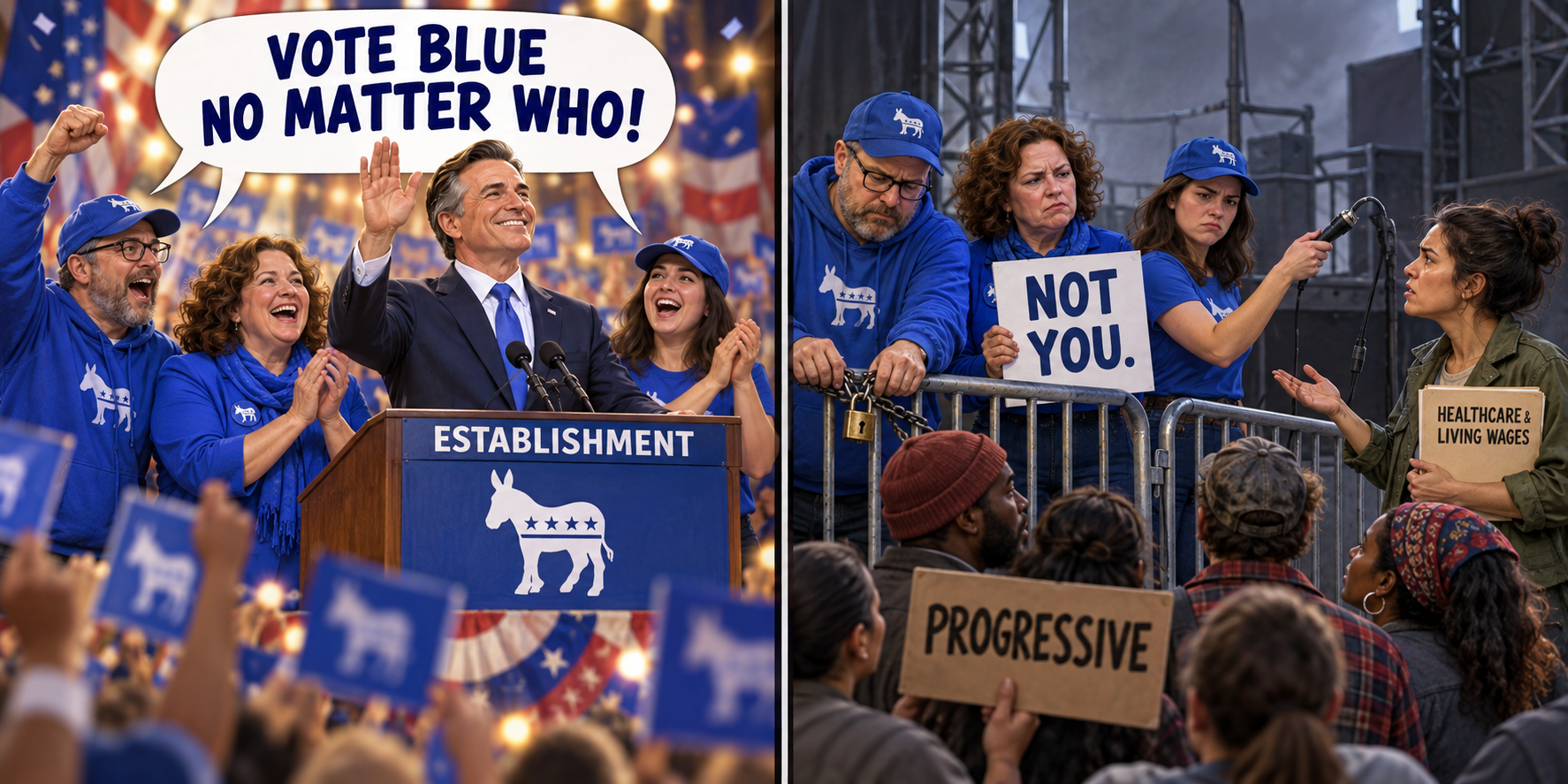
    Whenever Democratic loyalists start lecturing the left about “party unity” and “Blue No Matter Who,” I want to ask a simple question:

    Does that rule apply when your preferred candidate loses too?

    Because I have been paying attention for a long time, and the demand for unity seems to get a lot louder when progressives are expected to fall in line. When the left challenges a favored incumbent, wins a primary, or questions the party’s direction, suddenly there are exceptions.

    Then we hear about electability, ideological purity, troublesome supporters, and how the party cannot afford to be associated with those people.

    Apparently, the big tent has a very selective admissions policy.

    I remember 2008. Some disappointed Hillary Clinton supporters organized under the PUMA banner (“Party Unity My Ass”) and refused to support Barack Obama. Clinton herself urged supporters to back him, but the holdouts were serious determined, and angry. Some openly considered voting for John McCain.

    I also remember Clinton invoking her support among “working, hard-working Americans, white Americans” while arguing that Obama’s support was weakening. I found that appeal offensive then, and time has not improved that feeling.

    My political memory did not begin with Bernie Sanders, and it did not end when his presidential campaigns did.

    That is why I get tired of hearing the left discussed as though we invented bitterness, divisive primaries, or resistance to a nominee. The party has a long history of internal conflict. But certain people’s resistance gets treated as understandable disappointment, while ours becomes a character defect.

    And the same attitude is still with us.
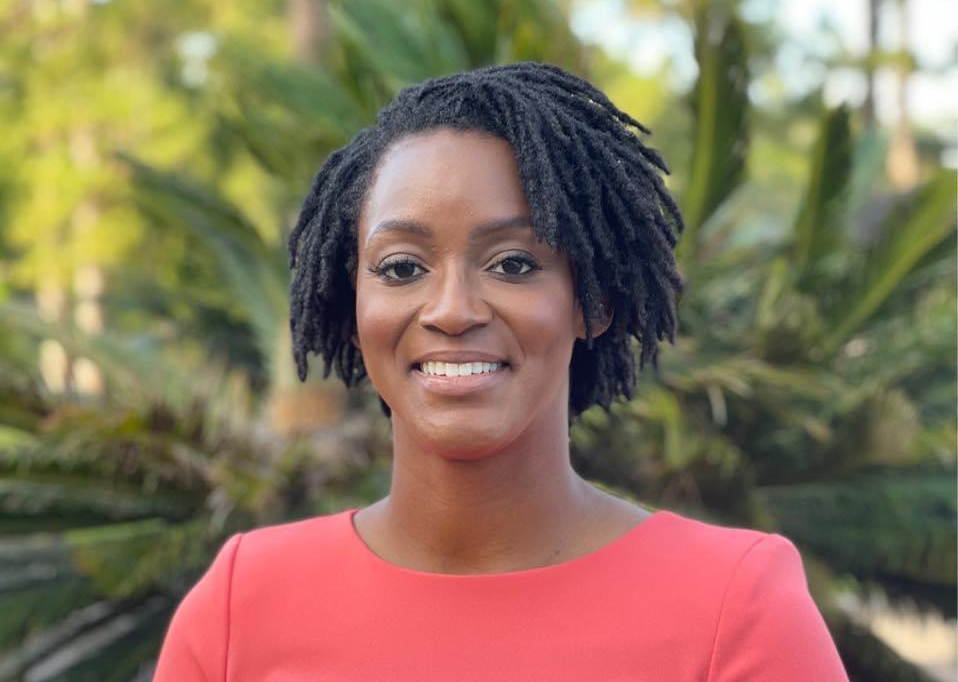
    Angie Nixon is a Florida state Representative who won the Democratic Party primary to be the party’s 2026 United States Senate candidate for the state of Florida.

    Look at Angie Nixon. She won Florida’s Democratic Senate primary in August, defeating Alex Vindman despite his financial advantage. Whatever someone thinks of her politics, Democratic primary voters chose her.

    Nixon subsequently clashed with Florida Democratic chair Nikki Fried over socialism and whether she was receiving sufficient party support.

    Reporting this month also described Vindman directing resources toward other Democrats and the state party rather than Nixon herself, while Senate Majority PAC was steering clear of her race.

    Now, Florida is a difficult race. Parties have limited resources, and nobody is obligated to pretend every election is equally winnable.

    But that explanation deserves scrutiny when “support the nominee” has been preached to the left as a moral obligation.

    If progressives are expected to swallow their objections, volunteer, donate, and turn out for candidates they did not want, then they have every right to ask what support looks like when their candidate wins.

    You cannot spend years demanding loyalty and then act confused when people expect reciprocity.
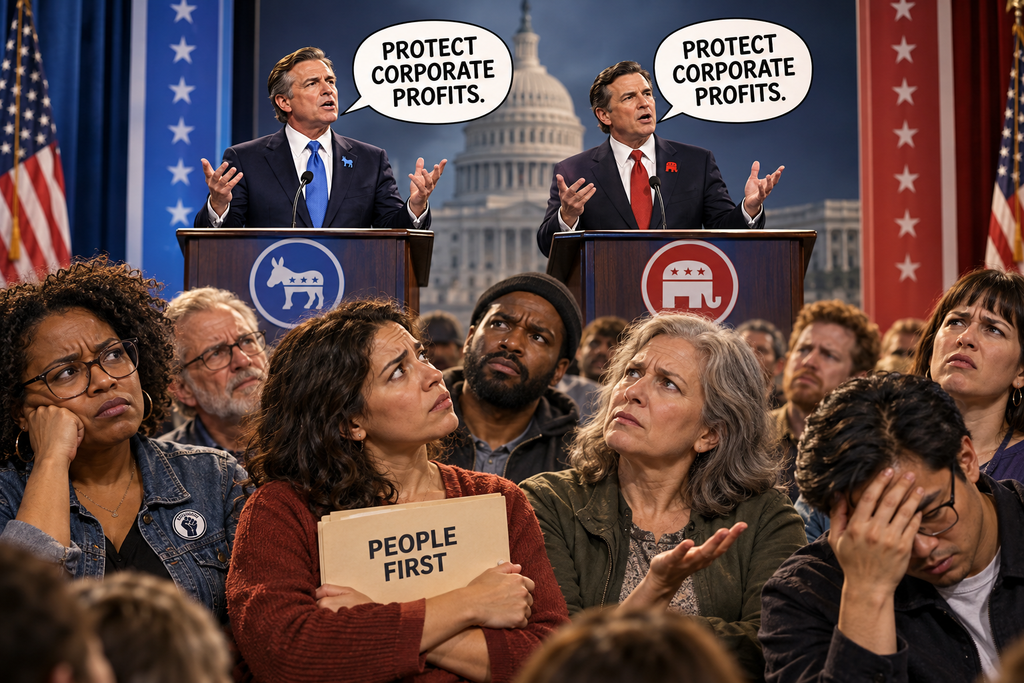
    An AI-generated image of voters, disappointed and confused, who find that both the Republican and Democratic candidates sound alike.
    To many of us further left of the political spectrum, Democrats and Republicans sound eerily similar.

    Here in St. Louis, the fight involving Cori Bush makes the role of money impossible to ignore. Wesley Bell defeated her again in the August 2026 primary. AIPAC-backed efforts and other outside spending supported Bell, with spending on his behalf substantially exceeding spending for Bush.

    Bush was not entitled to her seat. Voters could criticize her, challenge her, and choose someone else. That is how elections work.
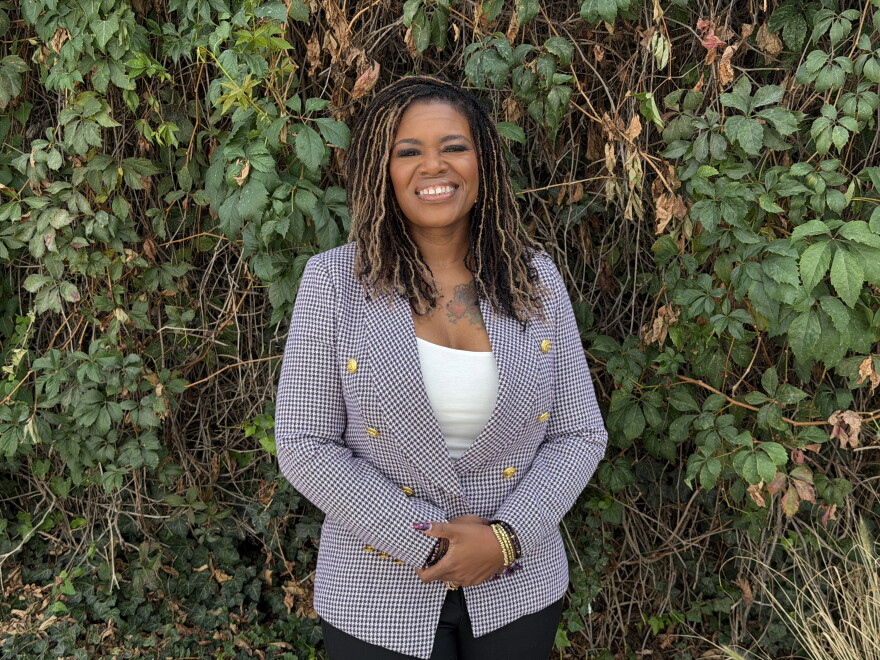
    An image of former United States Representative, Cori Bush, of Missouri's 1st US Congressional District..
    Cori Bush was the U.S. Representative for Missouri’s FirstCongressional District. She served one term before being defeated by Wesley Bell. Bush was not defended by the same Democratic Party that stated that it would defend incumbents and frowned upon primary opponents.

    But I am also entitled to question the priorities behind pouring money into defeating a progressive in a heavily Democratic district. I am entitled to ask why a Black organizer’s politics become something to neutralize rather than something the party has to engage.

    Calling that spending “democracy” does not put its sources, motives, or effects beyond criticism.

    Then there is Hasan Piker, who has become another target in this fight. In April, Democratic Representative Josh Gottheimer joined Republican Representative Mike Lawler in introducing a resolution condemning alleged antisemitic rhetoric from Piker and other online personalities. Gottheimer renewed his push for a vote in August.

    An image of Hasan Piker
    Progressive commentator Hasan Piker has become the new boogeyman in mainstream media. His commentary, often taken out of context, had been weaponized against progressive and leftist candidates who he is associated with.

    I do not have to agree with every damn thing Hasan says to question why Democratic politicians are devoting energy to this.

    He is a commentator. He can be criticized. His statements should be examined, including statements people find offensive or harmful. Having an audience does not make him immune to accountability.

    But neither should a controversial commentator become an excuse to discredit everyone on the left who has appeared with him, watched him, or supported a candidate he supports.

    Criticize the statement. Make the argument. Stop treating association as a substitute for discussing policy.
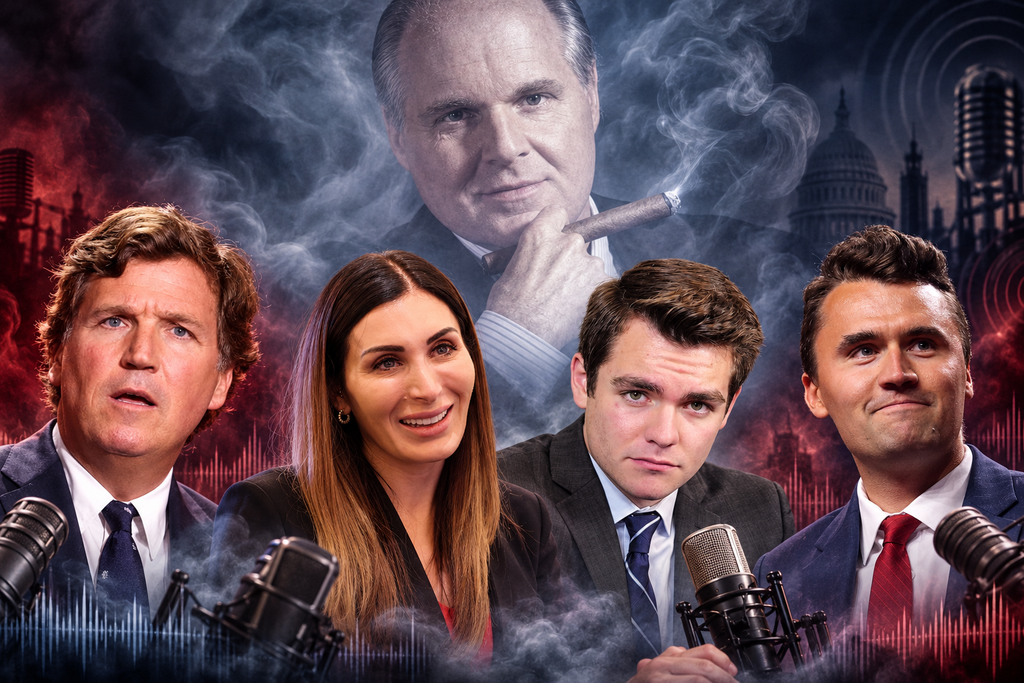
    An AI-generated image of Tucker Carlson, Laura Loomer, Nick Fuentes, and Charlie Kirk being the spiritual successors of Lush Limbaugh.
    For as controversial as many in the mainstream media find Hasan Piker on the left side of the political spectrum, there are many more people on the right side of the political spectrum who are not weaponized against political candidates on the right.

    This is where my original frustration still stands: identity-based bigotry is real, but the existence of bigotry does not mean every political disagreement is driven by it.

    Sexism against women politicians is real. I have said that repeatedly, including when defending Hillary Clinton against attacks that male politicians would not have faced.

    Antisemitism is real. Racism is real. All deserve serious attention.

    But criticism of a woman’s policies is not automatically sexism. Criticism of a Jewish politician is not automatically antisemitism. Criticism of a Black politician is not automatically racism.

    An AI-generated image of political strategists shielding a black female Democratic candidate who support wars, cuts to social programs, and corporate tax breaks.
    Democrats often defend bad candidates with bad policies against criticisms and for losing elections by charging critics and voters with bigotry. Although their charges aren’t totally baseless, they are often exaggerated and made into the primary reason why campaigns were lost, and their candidates or politicians face legitimate criticism.

    And criticism of a government’s actions is not automatically hatred of the people associated with that government.

    Context is important here. There needs to be a careful and sober examination of the evidence. What was actually said matters more than the political spin.

    These questions require more work than deciding that an accusation ends the conversation. Using genuine struggles against bigotry as political shields makes it harder to address both the bigotry and the policy disagreement honestly.

    I do not want the left exempted from that standard. I want the standard applied consistently.

    Progressive candidates should answer for their records. Their supporters should answer for what they actually say and do. But establishment candidates should face the same scrutiny over their donors, policies, alliances, and treatment of the people whose votes they expect.

    Too often, the left’s demands are described as dangerous or unrealistic before they are even seriously discussed.
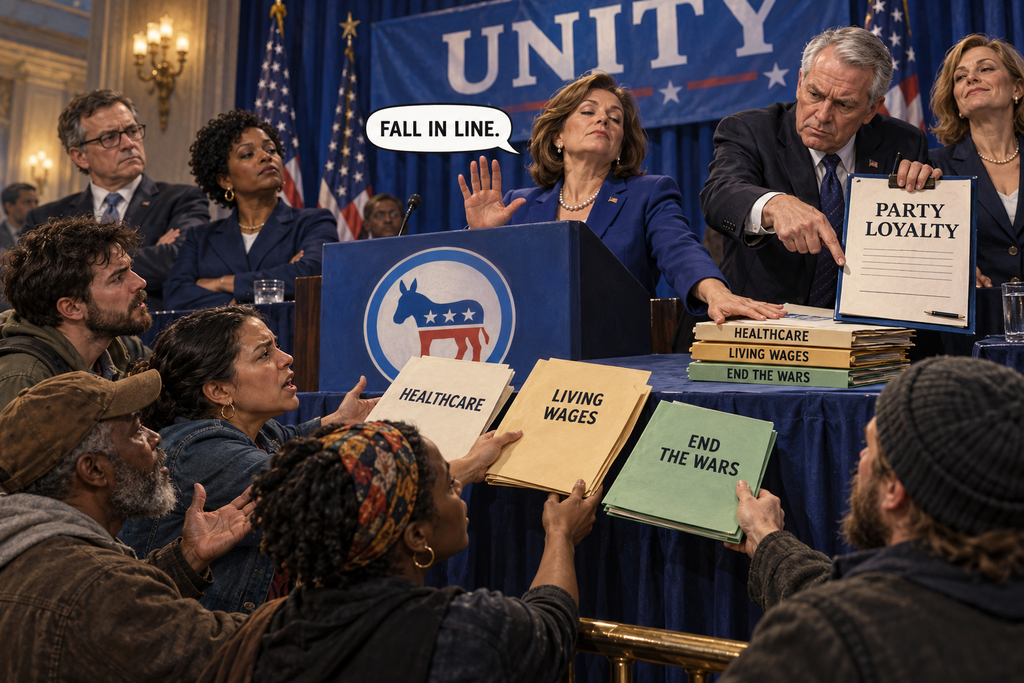
    An AI-generated image of Democratic Party leadership telling leftist and progressive voters to "fall in line."
    Progressive and leftist voters are told to “fall in line.” These voters are often scoffed at and then blamed for electoral losses.

    Universal healthcare. Affordable housing. Stronger labor rights. Public investment. An end to policies that treat human suffering as an acceptable cost of somebody else’s profit.

    Those are political demands. People can argue against them. But dismissing the people making them as naïve, toxic, disloyal, or unelectable is a convenient way to avoid the argument.

    And I think some of that hostility comes from the interests those demands threaten. A party comfortable with its donors and existing arrangements is going to feel pressure when its own voters start demanding changes that those donors do not want.

    That is my interpretation of the pattern. It is also why I refuse to accept every attack on the left as neutral advice about winning elections.

    Winning for what? Delivering what? And accountable to whom?
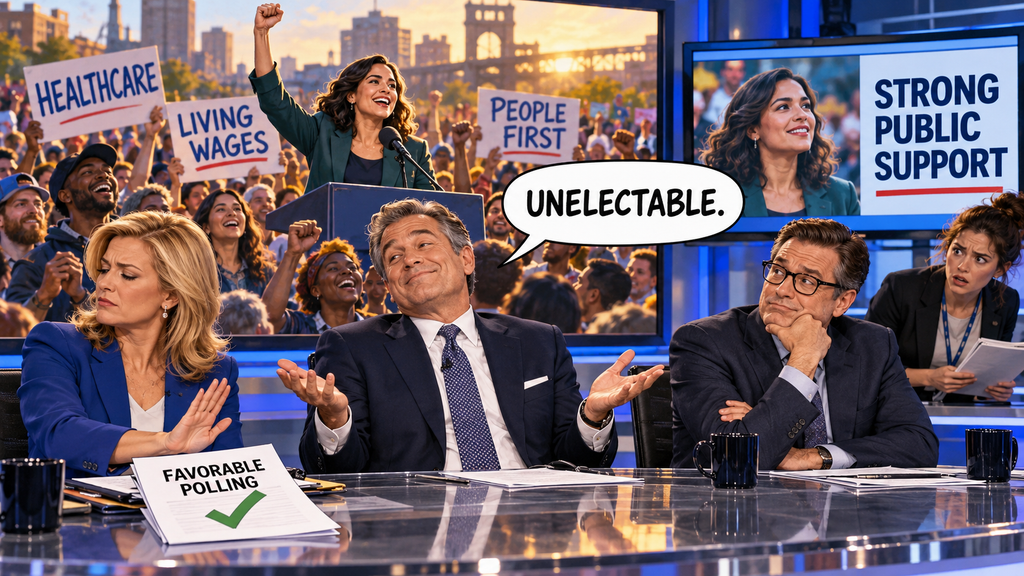
    An AI-generated image of media fisures smugly dismissing a popular progressive candiate as unelectable.
    The media and party leaders often dismiss progressive and leftist candidates as unelectable.

    I understand the danger Republicans pose. I do not need that explained to me every time I criticize Democrats.

    What I need is for Democratic leaders and loyalists to understand that opposing Republicans does not require me to surrender my judgment. It does not require silence about the party’s failures, and it certainly does not require pretending that its treatment of the left is fair.

    If you want unity, give people a meaningful role in shaping the agenda. Respect their victories. Engage their demands. Show them that their participation matters beyond election-day turnout.

    Stop treating the left as a workforce you can insult between elections and summon when you need votes.

    Party unity cannot mean that we do the work, accept the blame, and shut the hell up.
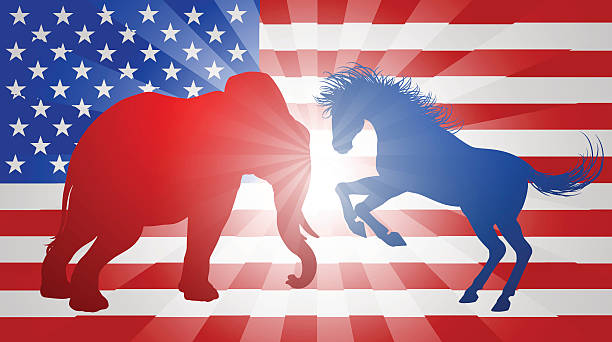
  • Political Demonization and the Collapse of Civil Discourse

    Political Demonization and the Collapse of Civil Discourse

    Over the past several decades, a pattern has emerged in American political rhetoric, particularly in certain corners of conservative media and political leadership.

    People on the political left are not merely described as political opponents. We are often portrayed as existential threats to the nation.

    For years, many prominent conservative commentators and politicians have repeatedly described Democrats and left-leaning Americans as:

    • Anti-American or people who “hate America”
    • Socialists or communists
    • Participants in child-trafficking conspiracies
    • Doctors who secretly perform gender surgeries on children without parental knowledge
    • Supporters of violent crime
    • Architects of mass immigration designed to manipulate elections
    • Violent extremists who are responsible for “burning down cities”
    • Lazy individuals who simply want government handouts
    • Rampant sexual deviants who want to groom children into non-heteronormative lifestyles

    Many of these accusations are not policy disagreements. They are moral accusations. They are claims that state that their political opponents are fundamentally dangerous, corrupt, or evil.

    When these claims are repeated constantly through media ecosystems, they can shape how entire audiences perceive political reality. Over time, exaggerated or false narratives can become accepted as unquestioned truths.

    This dynamic has serious consequences.

    When political opponents are portrayed not simply as people with different policy views but as criminals, traitors, or threats to society, it becomes easier for some individuals to justify hostility or even lethal violence against them.

    At the same time, many of the same political figures who use this kind of rhetoric often react strongly when criticism is directed toward them. Labels such as “bigot” (in any form), “authoritarian,” or “fascist” are often condemned as unfair or offensive, even when critics argue that those labels are based on observable political behavior.

    The result is a deeply polarized environment in which one side hurls childish insults, irrational accusations, and charges of civic disloyalty, which endangers those on the receiving end. Then they clutch their pearls when met with the same energy in response.

    In the end, our political conversation devolves into arguing against strawman caricatures of people, on either side, rather than having good-faith arguments based on facts and reality.

    Healthy democratic societies require disagreement. Political conflict is inevitable and often productive.

    But democracy becomes fragile when political actors stop treating their opponents as fellow citizens and begin treating them as soulless enemies who don’t love the land that we are in.

    Once that shift happens, civil discourse becomes nearly impossible, and political conflict begins to resemble cultural warfare rather than democratic debate.

  • No, the Left Doesn’t Want Open Borders: Immigration Myths vs. Reality and What the Right Gets Wrong

    No, the Left Doesn’t Want Open Borders: Immigration Myths vs. Reality and What the Right Gets Wrong

    Despite how the gaggle of goofy, gaumless, good-for-nothing goobers on the other side of the political spectrum keep straw-manning the position of those of us on the left side of the political spectrum (liberals, progressives, and leftists), most of us do not desire, nor are we advocating for, completely open borders. We don’t want foreign criminals in this country, we don’t want terrorists to enter this country easily, and we don’t wish to ruin our national ecology through the unchecked introduction of invasive species of plants, animals, fungi, and diseases. These are some of the reasons why borders exist and why they are regulated.

    However, we do not want to excuse or promote xenophobic ideas and policies. We do not engage in the wholesale demonization of segments of people because we find their looks, fashion, customs, diets, religions, or whatever too foreign for our tastes. We are not holding on to a fictionalized notion of the United States being the product of one dominant, default, and exemplary culture, devoid of any influence of the various other people who contributed to the cultural, intellectual, and economic capital of this melting pot and/or mosaic of a nation.

    In other words, many other people and I on the political left welcome immigrants, visitors, and migrants from all over the world, from different walks of life, whether from a developing country or from a wealthy, advanced, and developed nation. If we are indeed that “shining city on a hill” that Ronald Reagan talked about in his 1989 farewell address, then we would like to share our freedom, prosperity, opportunities, culture, and technology with people from the rest of the world who yearn for the freedom, opportunity, and prosperity that somehow eluded them in their home countries and that our nation can provide. After all, this is a country of mostly colonizers, enslaved or indentured labor, and immigrants living on the stolen ancestral land of the collective victims of one of the worst genocides in human history. I don’t say this to be facetious, contrarian, indignant, or self-righteous. That is not my point. I say this to illustrate that if there were a rigid enforcement of borders 400 years ago, the only people that would be here are those currently mostly forgotten people who make up 1% – 2 % of the population, many living in conditions worse than those of the urban slums that my people complain about, and who are routinely mistaken for foreigners themselves in some very disturbing twist of irony.

    The truth is that immigrant populations add to our overall economic prosperity. They are usually leaders in the various past innovations that made this country technologically advanced and prosperous. These people include Alexander Graham Bell, Albert Einstein, Nikola Tesla, Levi Strauss, and many others from various parts of the world (I focused more on the names that most people know). A study published by the Cato Institute a few days ago stated that immigrants paid trillions of dollars more in taxes than they received in benefits from 1994 to 2023. According to another study from 2024 by the Institute on Taxation and Economic Policy (ITEP), UNDOCUMENTED IMMIGRANTS alone paid close to $100 billion in federal, state, and local taxes in 2022. Most of that money went towards federal taxes (over 60%). This is money that they cannot receive in individualized social welfare programs like food stamps due to their immigration status.

    Despite the things that you’ve heard from your xenophobic family members, friends, and/or neighbors, despite what you watched on poorly produced internet documentaries with questionable methods, drawing unethical conclusions, and despite the cynical demagoguery of conservative (and some liberal) politicians, political pundits, and social media content creators, immigrants aren’t fleecing this country like hordes of swarming locusts or being given more opportunities and business loans than native born Americans. I already argued on how the former isn’t true, now the latter.

    According to an article by NBC News, immigrants have higher rates of entrepreneurship than native-born Americans. Yet immigrants get rejected for business loans at rates higher than their native-born counterparts. This is according to small business loan statistics from the Bankrate website. It is tougher to get grants and other benefits from the government if you are an immigrant.

    So why are there so many immigrant businesses? Immigrants usually have more of an entrepreneurial drive than native-born Americans. Having personally traveled to underdeveloped nations and spent time there, I saw firsthand how many people were forced to be creative to make money because the number of good-paying jobs was limited, along with the prospect of post-secondary education (education after high school). I saw people running small stores, barber shops, beauty salons, and restaurants out of their homes.

    According to the Cato Institute, immigrant groups consume and spend less than native-born Americans and rely less on credit. This is because the availability of credit is relatively low in their home countries. Thus, people have to save their money to buy homes, cars, or start businesses. They learn to do more with less while deferring their gratification until a later time.

    The answer to our immigration problems is not to trample all over our Constitution, one of the things that make this country special, to criminalize and commit acts of state-sponsored terrorism on people whose only crime was to leave the homes that they love due to desperation. Nor should we force adherence and assimilation into American values that are approved by only a small section of Americans who feel that their childish jingoism, denial, and hiding of uncomfortable historical facts and occurrences is the only way to truly “love” America. Their narrow-minded ideas of love, patriotism, and American culture are laughably juvenile and display a sickening self-aggrandizing narcissism. The fact that they perform this horrid bigotry in the name of Christianity is one of the biggest affronts and stains on our image. I personally don’t care whether individuals or groups of immigrants adopt a conservative philosophy or a progressive one. It doesn’t matter to me. All I care about is whether they are actively trying to harm the people of this country over grievances that have little to do with them, besides being a part of the propagandized masses being indoctrinated by political, business, and media interests. Acts of terrorism by foreign actors don’t make things better. They make them worse.

    But even that is an overhyped, xenophobic idea. Native born Americans commit most acts of terrorism, including lethal terrorism, in the United States. These are usually white males with right-wing ideologies. This is according to the Center for Statistics and International Studies (CSIS), Vox, Penn State University, and the Anti-Defamation League (ADL).  

    Those of us on the left are not asking for chaos or lawlessness at the border. What we want is an immigration system that is humane, rational, and consistent with the constitutional principles that make this country worth defending in the first place. Citizenship should not require people to navigate an unnecessarily cruel maze of bureaucracy, spend enormous sums of money, or prove their loyalty by parroting a narrow and childish form of jingoism.

    Patriotism in a democratic society cannot mean blind obedience to a single vision of what America is supposed to be. The right to criticize, challenge, and improve our country is exactly what separates the United States from the authoritarian governments many immigrants are fleeing. If you truly love this country, then you should understand why people around the world see it as a place of opportunity and refuge. Welcoming those who seek freedom and a better life is not a betrayal of American values. It is one of the clearest expressions of them.