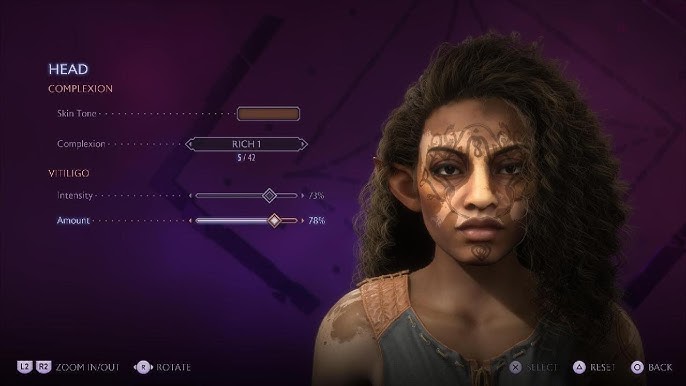
One of the more exhausting cultural debates today revolves around the idea that movies, television shows, and video games have suddenly become “woke.”
The accusation is usually framed as if diversity in entertainment is something new. That it is an artificial political imposition that has recently invaded popular culture.
But that claim ignores decades of history.
Hollywood and the entertainment industry have been practicing what could easily be called “forced diversity” for a long time. The difference is that, historically, the diversity often involved inserting white characters into stories that were originally centered around other cultures.
Consider the 2003 film Biker Boyz. The movie was marketed as a story about predominantly Black motorcycle clubs. Yet by the time studio executives and producers finished reshaping the film, the central motorcycle crew looked far more like a corporate marketing brochure than a portrayal of the subculture it was supposed to represent.
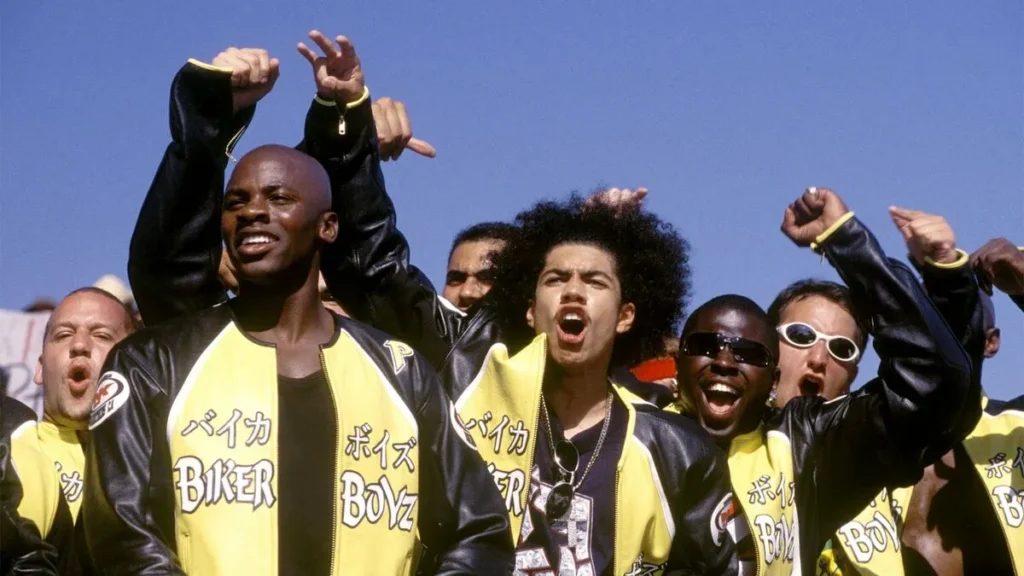
This wasn’t unusual.
Films like American Me (1992), Blood In, Blood Out (1993), Colors (1988), and even the breakdancing movies Breakin’ (1984) and Breakin’ 2: Electric Boogaloo (1984) frequently inserted characters designed to make the stories more accessible to mainstream audiences.
Television followed the same pattern. The sitcom A Different World was originally conceived as a story about a white student attending a historically Black college. Only later, after becoming a spinoff of The Cosby Show, did it shift toward focusing on Black students and Black campus life.
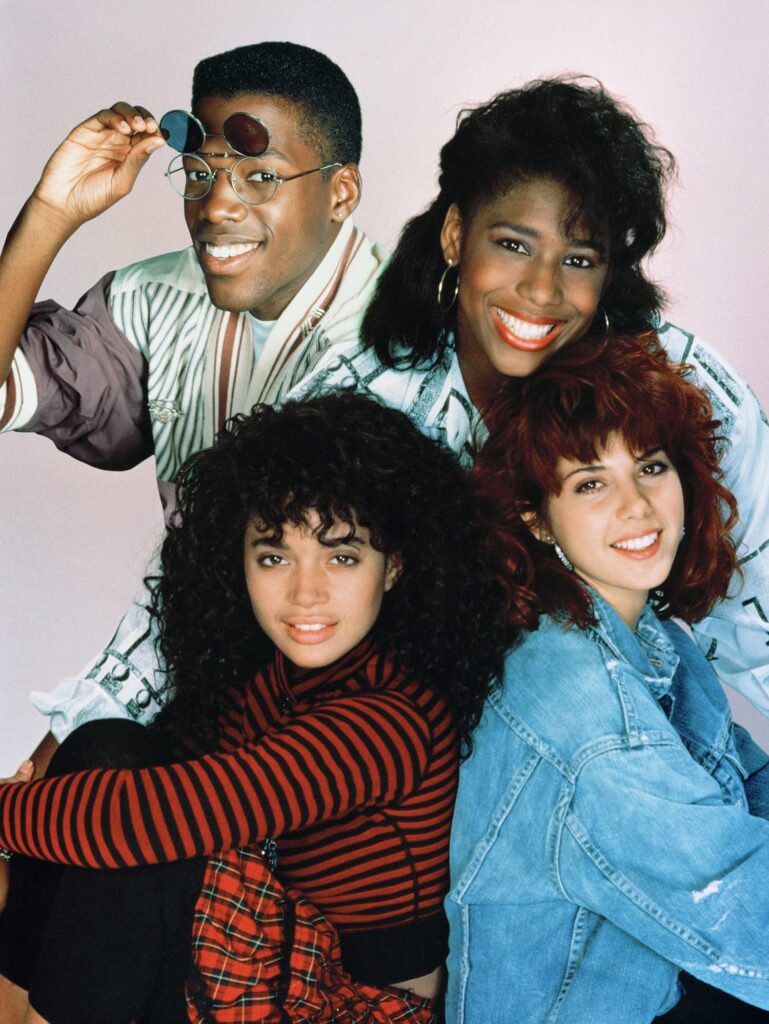
In other words, the entertainment industry has long modified stories to appeal to broader audiences. Diversity in casting and storytelling is not a new phenomenon.
This is not necessarily a bad thing. In fact, seeing more diversity, even in predominantly Black and Latino places and cultures, is good for society, in my humble opinion.
So what actually changed?
The major difference today is not the presence of diversity. The difference is who is being centered.
For decades, popular entertainment overwhelmingly focused on white male protagonists. Stories that did not originally feature them were often altered to include them.
Today, audiences are increasingly encountering films, television shows, and video games where women, racial minorities, LGBTQ characters, and other groups are present as main characters rather than background figures.
For some viewers, this shift feels like displacement.
But representation in storytelling reflects the societies that produce those stories. Modern societies are diverse, and entertainment inevitably reflects that reality.
None of this means that every casting decision or creative choice is above criticism. There are legitimate artistic discussions about authenticity, historical context, and storytelling choices.
For example, fantasy worlds inspired by specific historical cultures may raise reasonable questions about how representation is handled within those settings. Those discussions can be worthwhile when they focus on artistic and historical coherence rather than ideological outrage.
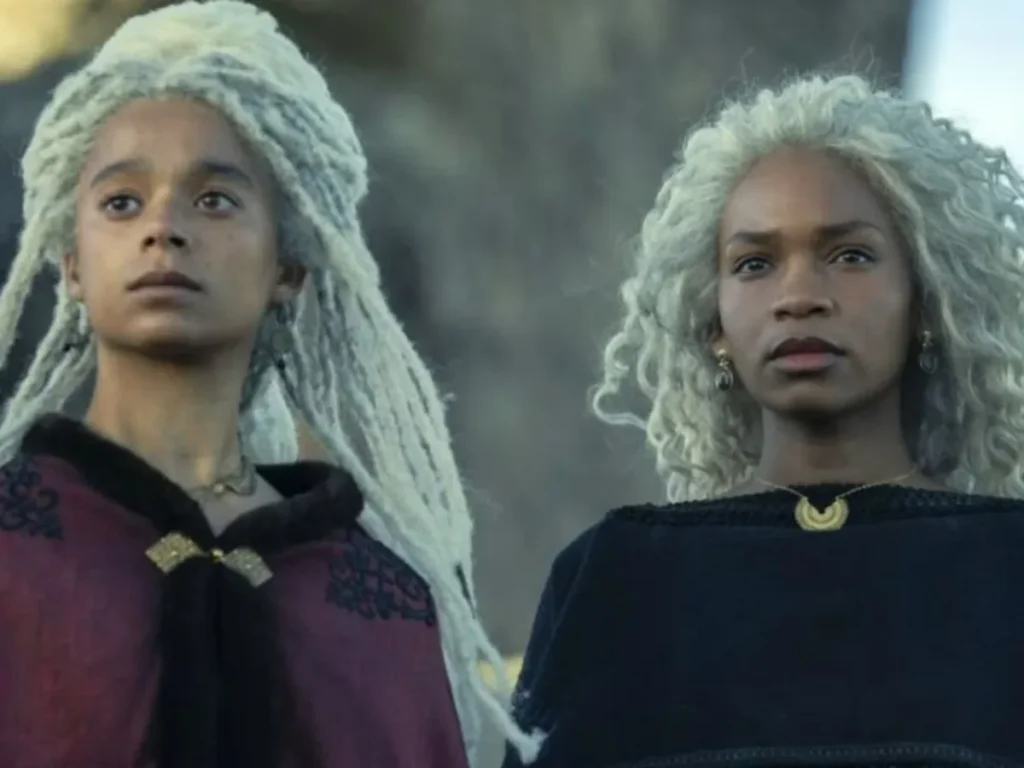
But most of the current backlash has little to do with artistic and/or historical integrity.
Instead, it reflects discomfort with the simple reality that entertainment no longer assumes that one particular demographic must always be the default center of every story.
The sky is not falling because a video game allows players to customize their character’s identity and pronouns. A science fiction series featuring a Black protagonist does not signal the collapse of civilization. A female action hero does not erase decades of male-led action films.
What has changed is not storytelling itself.
What has changed is that more people are finally allowed to see themselves in the story.