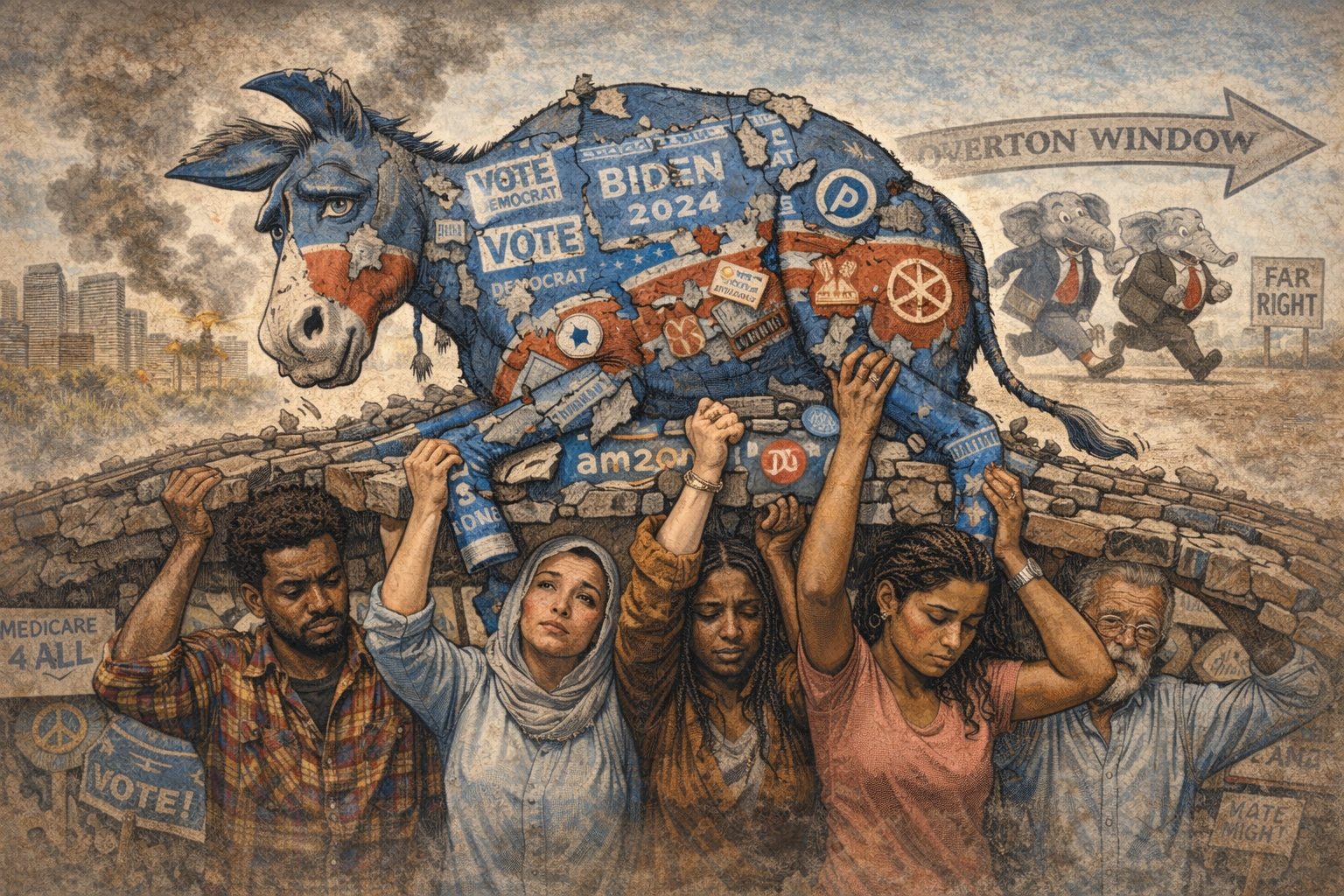
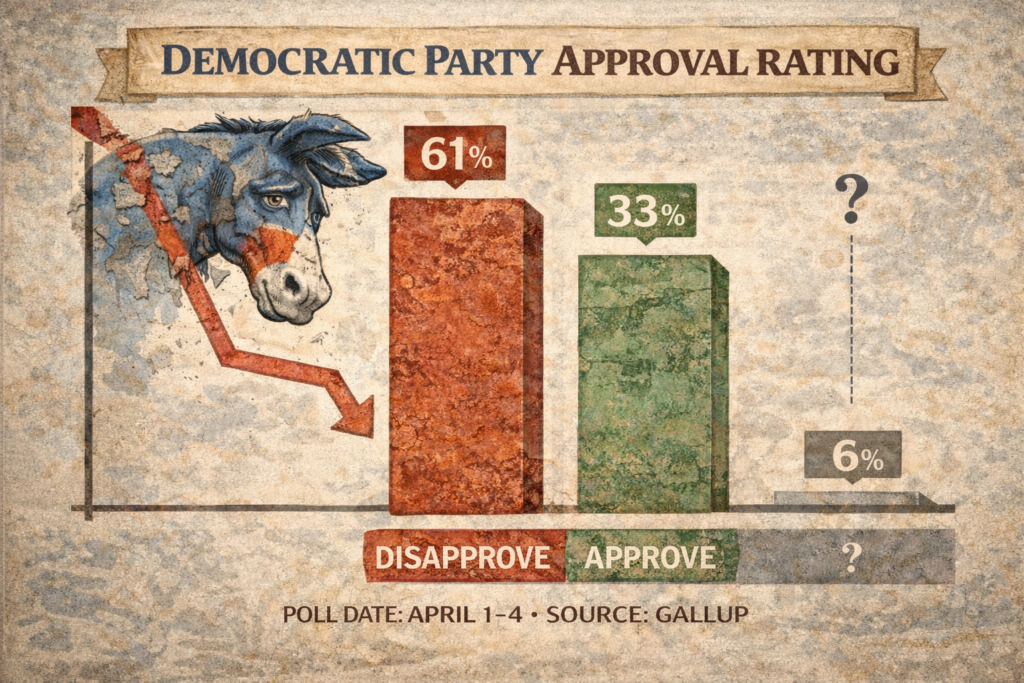
One of the biggest lies in American politics right now is the conservative claim that the Democratic Party’s low approval ratings are proof that progressive or left-wing ideas are unpopular.
That is not what is happening.
The Democratic Party’s low approval is not a sweeping public endorsement of conservatism, nor is it some grand rejection of ideas like police reform, clean energy, immigrant dignity, labor rights, racial justice, or social equality. If anything, many of those ideas remain more popular than the politicians and institutions claiming to represent them.
What people are rejecting is how Democrats campaign, govern, and legislate.
That distinction matters.
Many Democratic Voters Do Not Actually Like the Democratic Party
One of the most misunderstood things about American politics is that a huge portion of people who vote Democrat are not loyal Democrats.
Many progressives, leftists, disillusioned liberals, and politically alienated voters do not support the Democratic Party because they believe in it. They support it because there is no other viable alternative under the current two-party system.
That is not enthusiasm. That is containment.
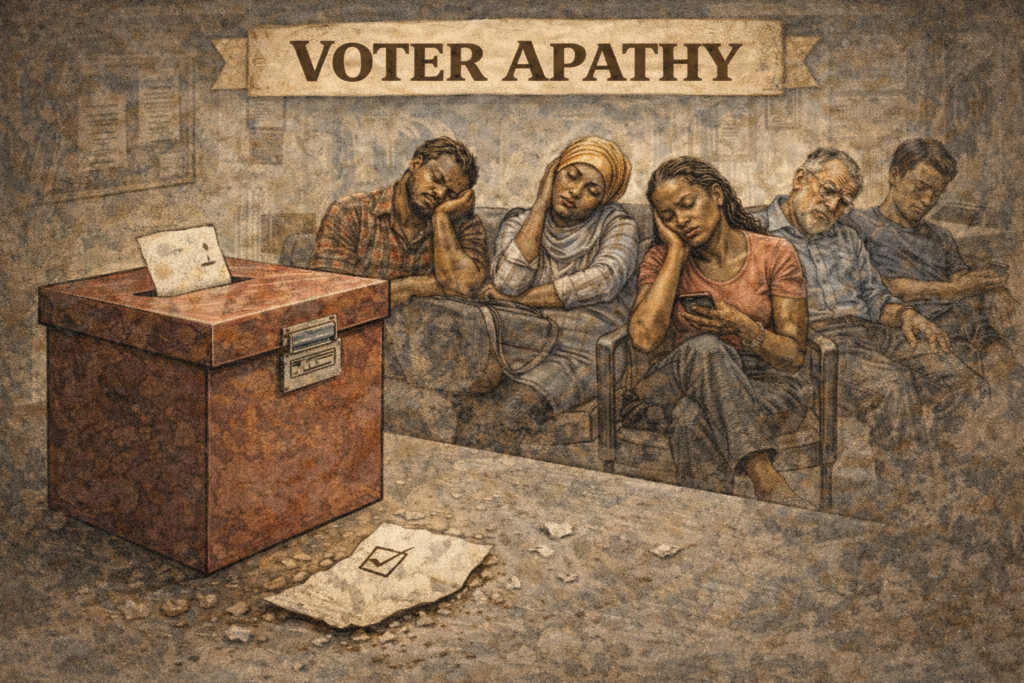
Many Democratic voters are not politically “at home.” They are politically homeless.
They vote Democrat not because they think the party is transformational, but because the Republican Party has become openly hostile to democracy, labor, immigrants, women, LGBTQ people, Black communities, Muslims, and virtually anyone outside its reactionary coalition.
That means Democratic votes are often votes of defense, not belief.
Democrats Are Not “Too Woke.” They Are Not Woke Enough.
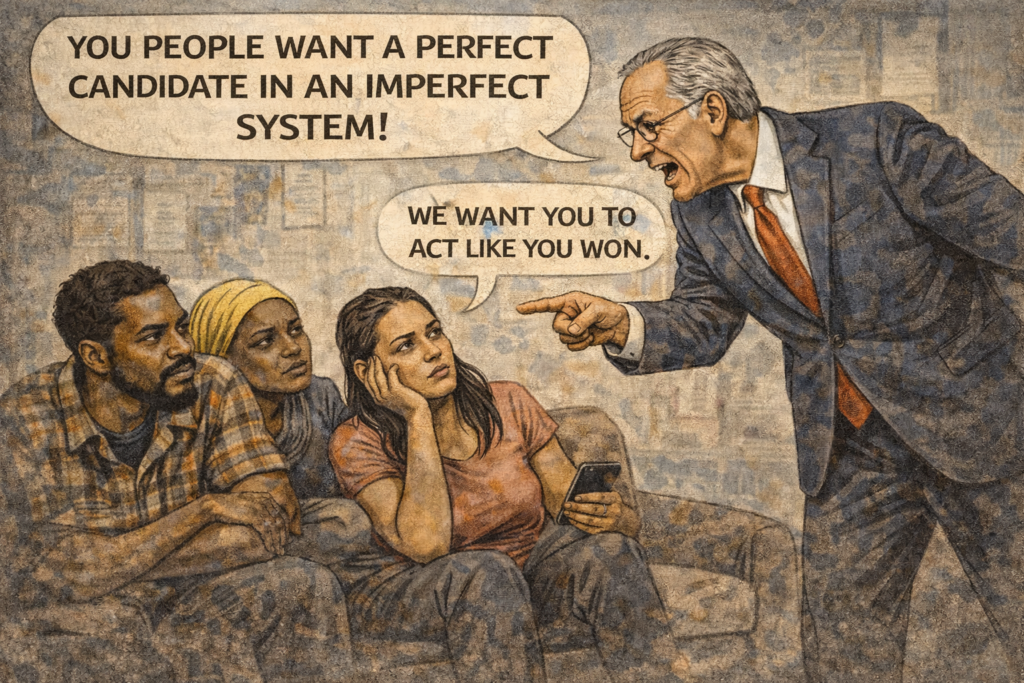
One of the more absurd claims pushed by conservatives (and sometimes even accepted by Democrats themselves)is that the party has become too “woke.”
But that depends entirely on what one means by “woke.”
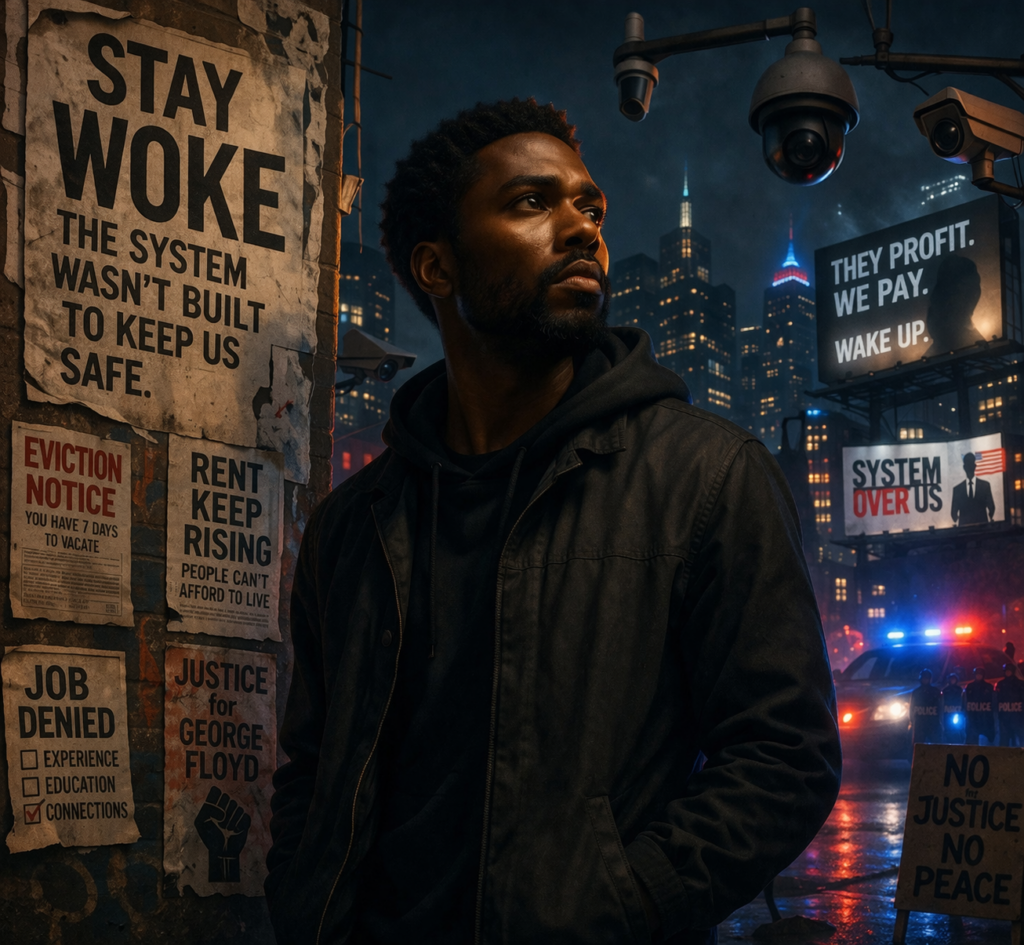
In its original Black political meaning, being woke meant being conscious of danger, power, injustice, and the need to protect one’s people and community. It was never just about representation, branding, or inclusion language.
And that is exactly where Democrats fail.
They are often fluent in the language of diversity, equity, and inclusion while being utterly unwilling to confront the structures that actually produce inequality.
They do not threaten the system. At best, they try to make the status quo look kinder, more polished, and more diverse.
But a more diverse ruling class is not the same thing as justice. It truly doesn’t matter if the foot on our necks belong to a woman, minority, or a member of some other marginalized group, the oppression is still there.
In fact, the tokenism that puts a member of a marginalized community in charge makes the problem worse.
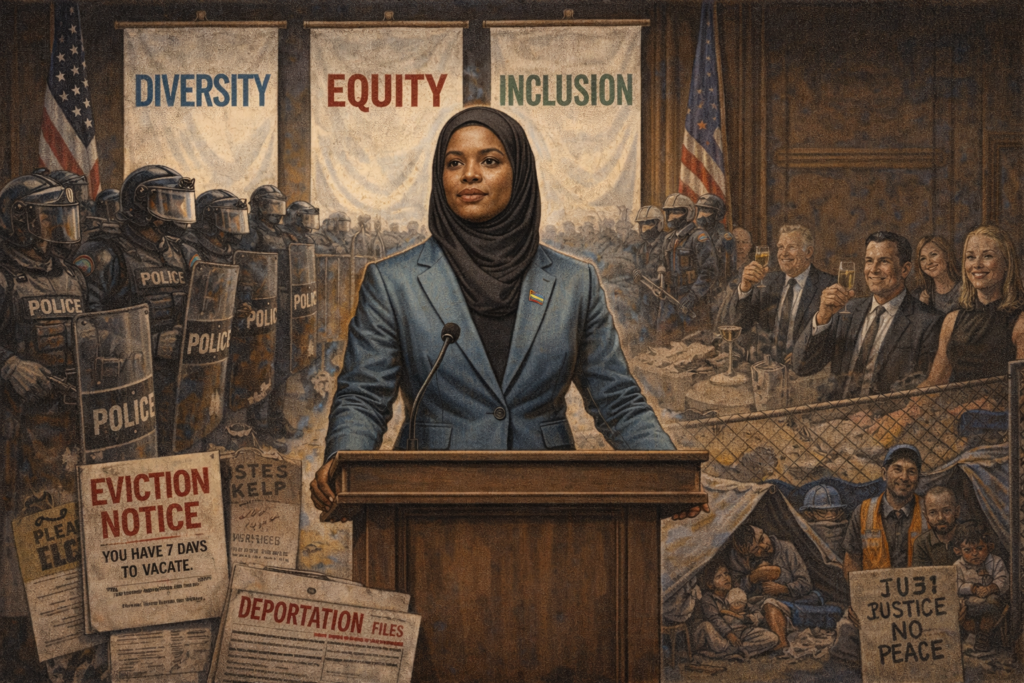
The Core Problem: Democrats Campaign Left and Govern Center-Right
This is where much of the anger comes from.
Democrats routinely campaign on bold, popular ideas, such as healthcare reform, abortion protections, criminal justice reform, labor rights, student debt relief, climate action, immigration reform, etc., only to retreat, dilute, abandon, or proceduralize those promises once in office.
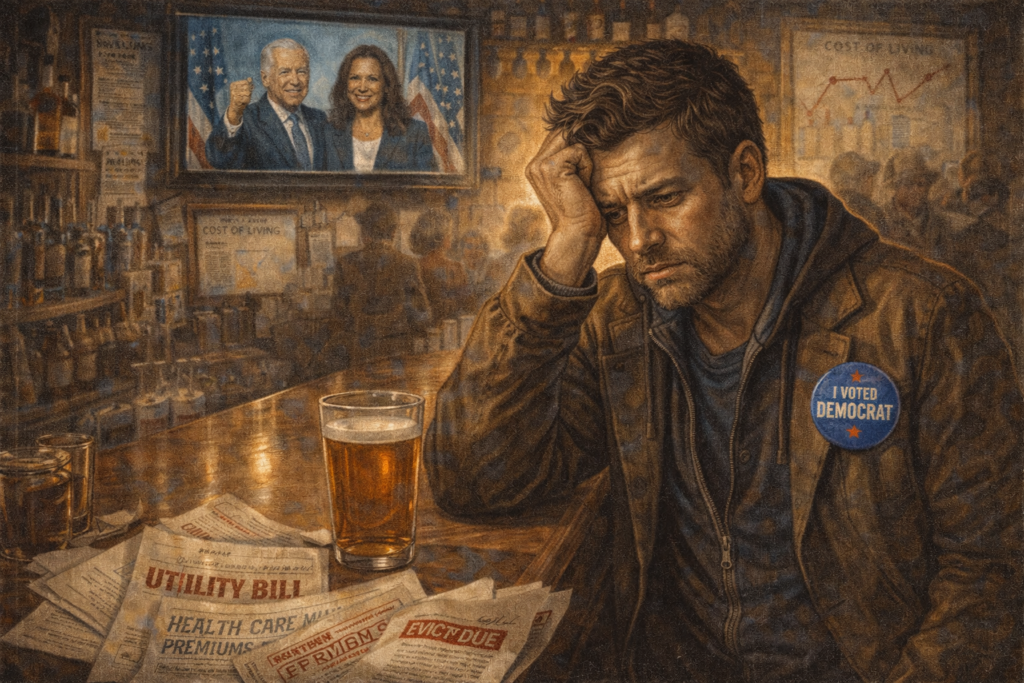
And when they fail, they almost always have an excuse ready:
- Senate procedure
- “Moderate” Democrats
- institutional norms
- electability concerns
- donor pressure
- political timing
- fear of backlash
At some point, people stop hearing these as obstacles and start hearing them as the pre-scripted permission slips for inaction they often are.
This is one of the main reasons the Democratic Party feels hollow to so many of the very people it depends on.
Democrats Alienate Their Own Coalition
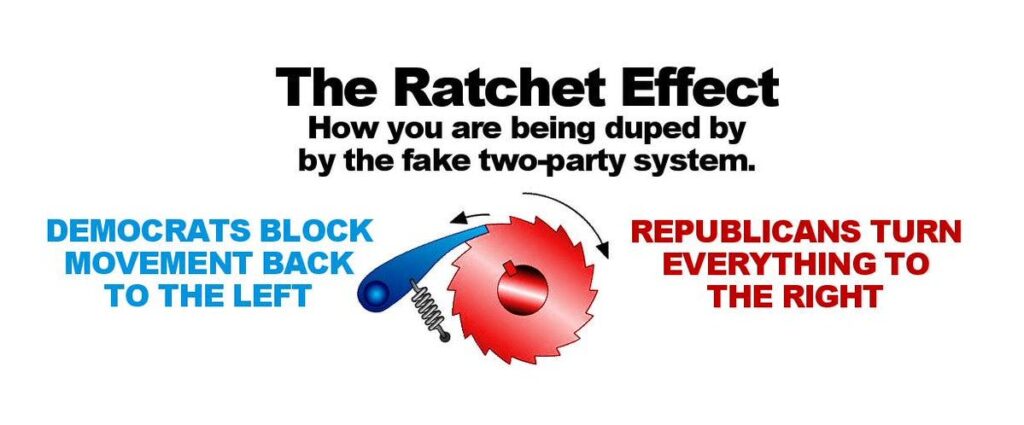
The Democratic Party survives through a broad coalition, but it often governs as though that coalition is a burden.
Black voters, women, Arab and Muslim communities, immigrants, labor-oriented voters, poor and working-class people, LGBTQ communities, and younger progressives are all expected to show up every election cycle. But when it is time to govern, many of those same groups are sidelined, ignored, triangulated against, or used symbolically rather than materially.
Black voters have long experienced this in the form of tokenism, local “benign” neglect, selective outrage, and empty rhetoric about justice that rarely translates into structural change.
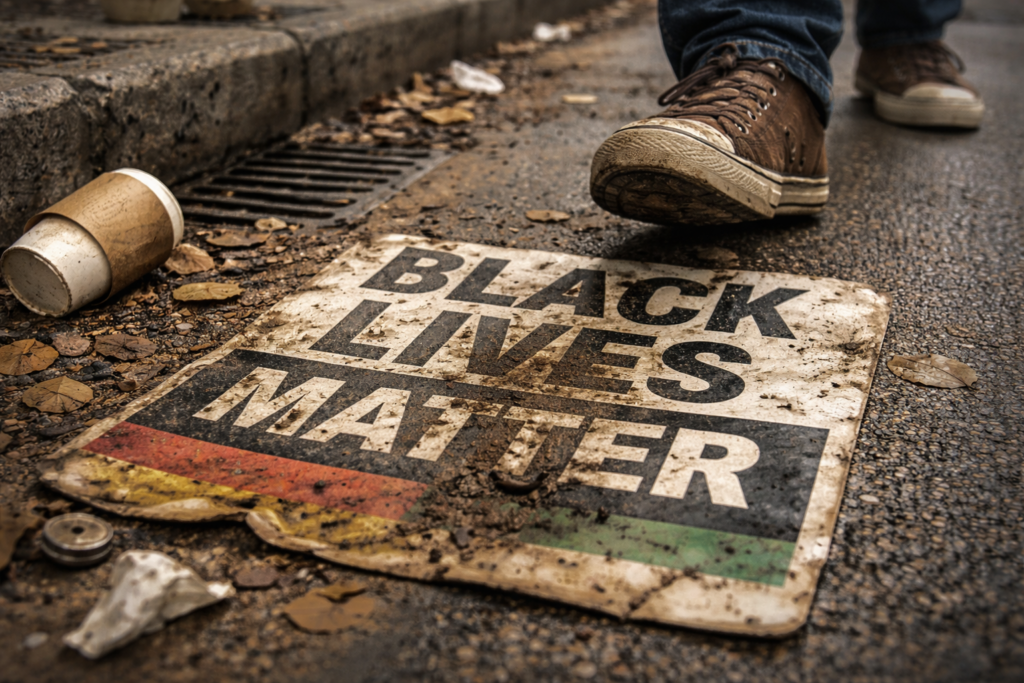
Muslim and Arab communities have seen it through surveillance, Islamophobia, selective empathy, and the treatment of dissenting lawmakers as liabilities.
Women have seen it through decades of strategic delay and complacency around abortion rights, only to watch those rights collapse under a reactionary judiciary.
Immigrants and Latinos have seen it through cruelty repackaged as pragmatism.
And progressives have seen it through endless lectures about realism from people who somehow always find the political courage to disappoint the left but never that same courage to seriously confront the right.
The Gaza Crisis Exposed Democratic Hypocrisy

If there was one issue that crystallized this contradiction for many younger voters, leftists, Muslims, Arab Americans, and anti-imperialists, it was Gaza.
For many people, the Democratic Party’s response to the destruction and mass death in Gaza was not merely disappointing but it was also morally disqualifying.
Many potential Democratic voters could not vote for Democratic candidates alligned with Israel and its lobby in good conscious.
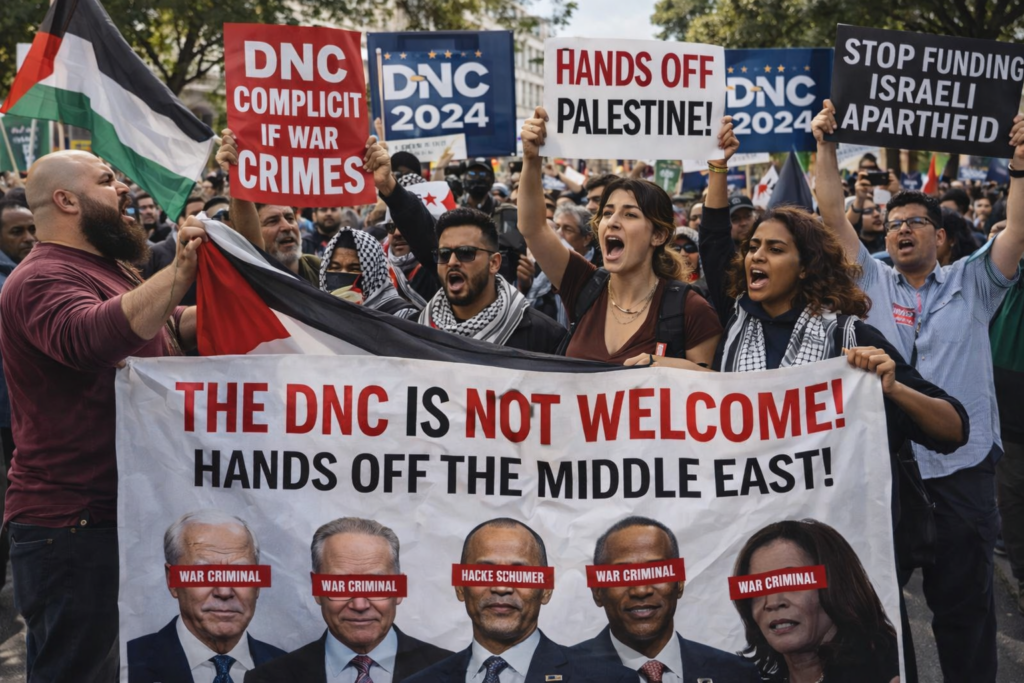
Instead of responding with honesty, moral clarity, and equal concern for Palestinian humanity, much of the party defaulted to the same old framework: criminalize dissent, sanitize atrocity, and demand loyalty from people expected to ignore what they could plainly see with their own eyes.
That mattered and it sidelined many voters and activists who could have carried the Democrats to victory.
Why?
Because once a party asks people to suspend not just strategy, but conscience, it should not be surprised when those people begin to emotionally detach from it.
Republicans Have an Ideological Core. Democrats Often Seem to Have None.
Part of the frustration here is comparative.
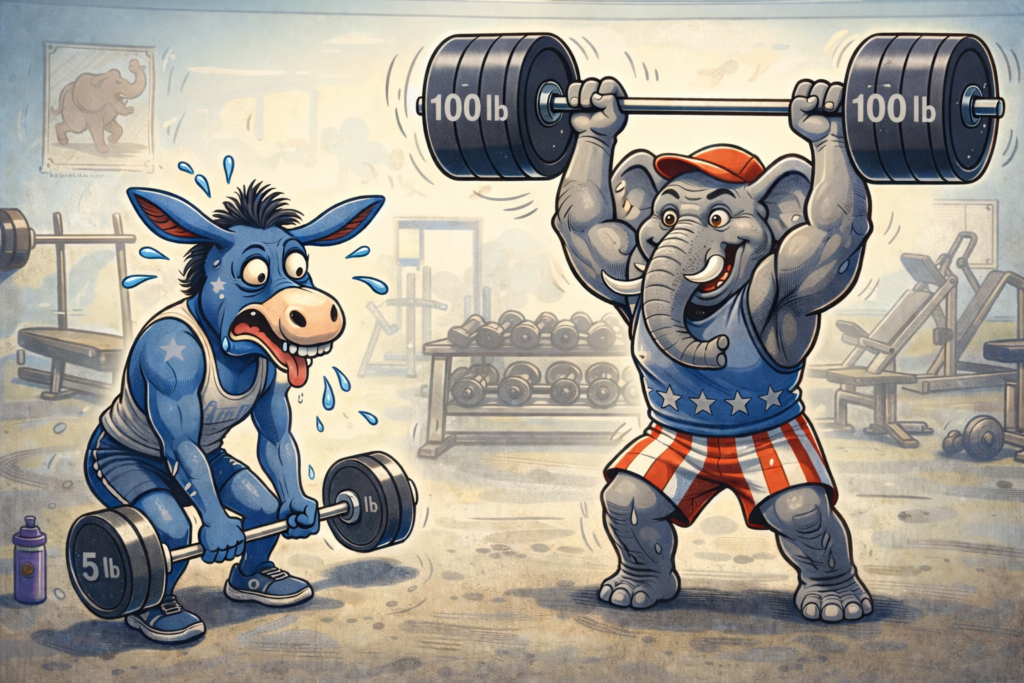
Republicans, however destructive, reactionary, and dangerous their project may be, often appear more ideologically committed than Democrats. They are willing to fight for what they believe in, even when those beliefs are cruel, anti-democratic, and deeply unpopular.
Democrats, by contrast, often appear to be a party whose primary belief is managing decline politely.
They want stability and not transformation. Procedure and not confrontation. Brand management and not political struggle.
That makes them seem weak, not simply because they lose, but because even when they win, they often act as if they do not know how to wield the power that they have.
This Is Not an Argument for Republicans
Let me be crystal clear about this post lest my words are taken out of context by conservatives using my words to make bad faith arguments: none of this is an endorsement of the Republican Party.
The current Republican Party is more overtly hostile to Black people and other marginalized communities than the Democratic Party is. That is reality.
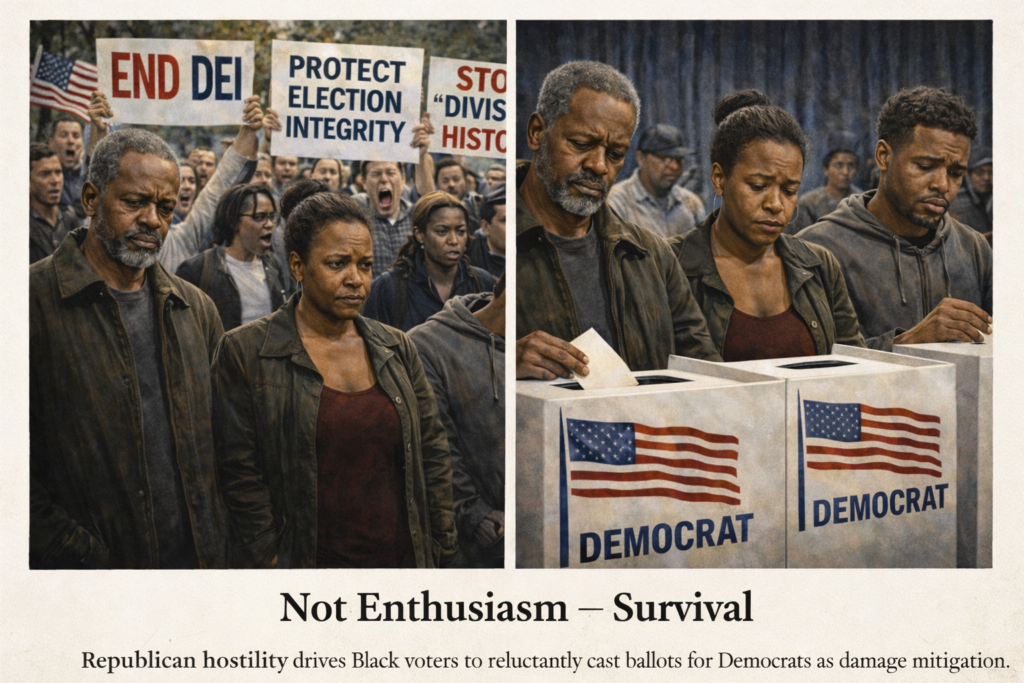
Most Black voters, myself included, vote Democrat not because we are enchanted by the party, but because under the present system, it is often the only viable barrier against a more openly reactionary political project.
That is not love.That is only risk management. This is something many Black Republicans, who talk about loyalty to plantations seem to forget.
And Black history gives us every reason to take that risk seriously.
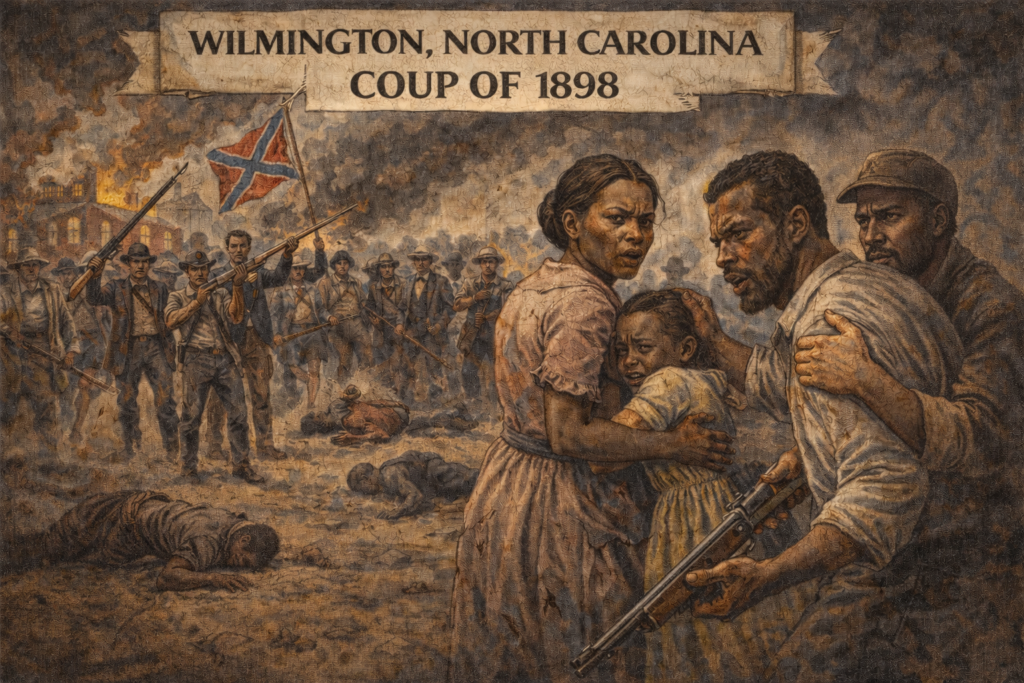
The gains won through struggle can be reversed. They can be rolled back. They can be destroyed. Reconstruction taught us that. Wilmington taught us that. The 20th century taught us that. And the present is teaching it again.
The Real Crisis Is Political Homelessness
The deeper issue here is not simply that Democrats are unpopular.
It is that millions of people feel politically stranded.
They are too conscious to be satisfied with Democratic symbolism. too threatened to gamble on Republican barbarism, and too trapped in a two-party duopoly to build immediate alternatives with real electoral power.
That is a recipe for alienation. The largest voting bloc during the 2024 presidential election was eligible voters who chose the proverbial couch over casting any vote and any election.
And unless that changes, Democrats will continue to suffer from a contradiction that conservatives fundamentally do not understand.
This is that people may still vote for Democrats while deeply resenting them.
That is not political strength. Instead, that is political exhaustion.
And unless Democrats become something more than “the only adults in the room,” that exhaustion will continue to define American politics.
Leave a Reply