Category: Media Narratives

The Media Narratives section of The Rio Stanton Report explores how information is framed, interpreted, and circulated in modern media environments. In an era of 24-hour news cycles, social media algorithms, and partisan commentary, the stories we hear about politics and society are often shaped as much by narrative as by facts.

Articles in this category examine how media outlets, political actors, and online communities construct and amplify particular interpretations of events. From viral talking points and misleading statistics to the ways propaganda and messaging influence public opinion, these essays analyze how narratives form and why they spread.

Understanding media narratives is essential in a world where information travels quickly and context is often lost. By examining how stories are told—and sometimes manipulated—this section encourages readers to think critically about the information they consume and share.

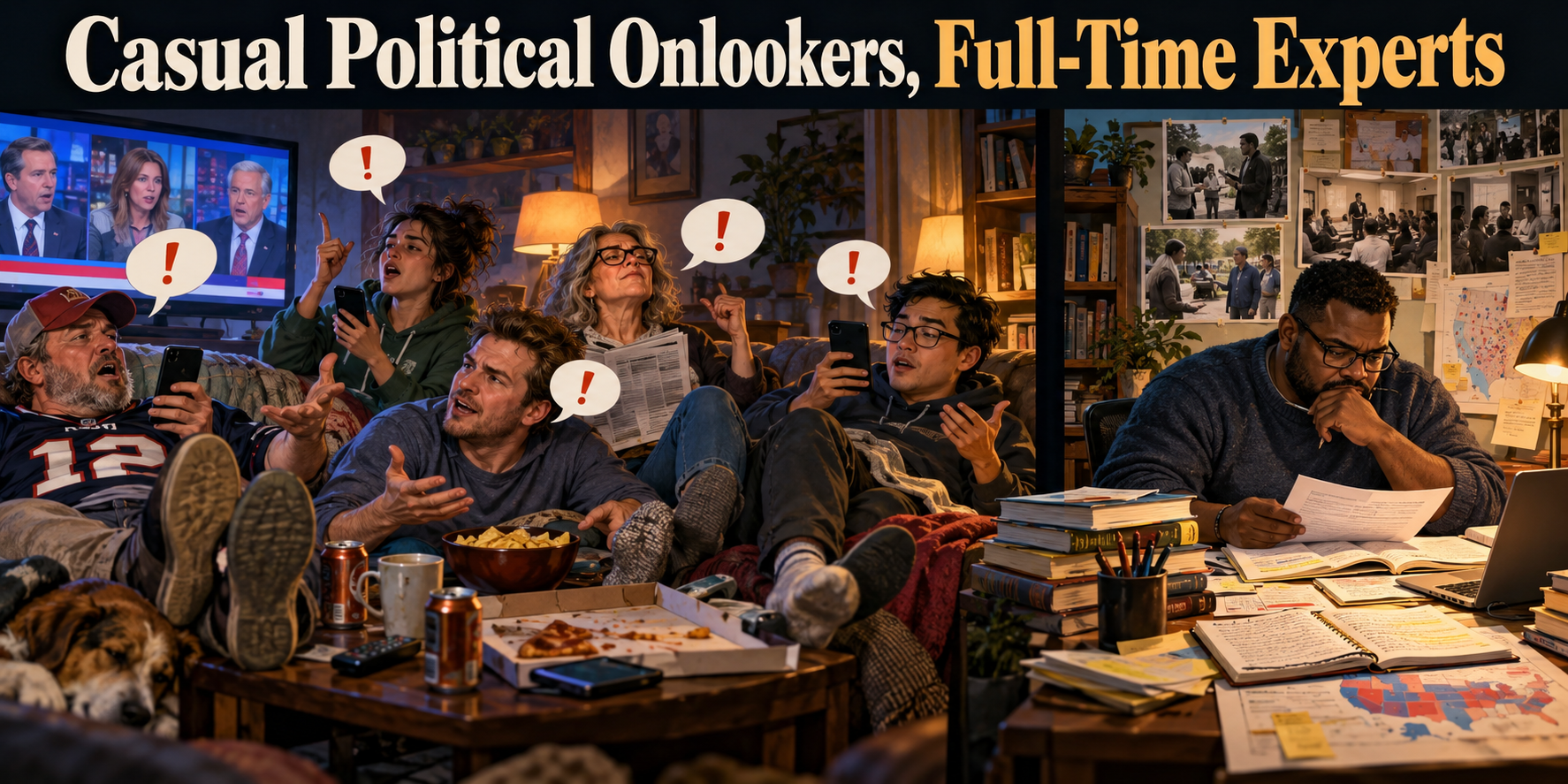
  • Casual Political Onlookers, Full-Time Experts

    Casual Political Onlookers, Full-Time Experts

    One thing I’ve learned over the years is that most people are casual political onlookers who pretend to be experts. They pay attention around election time, pick up a few talking points, and suddenly think they understand the electorate better than anyone else.

    People like me geek out over politics the way other people geek out over sports, Dungeons & Dragons, and high-fantasy book series. I haven’t been a casual onlooker for many years. I eat, sleep, drink, shit, and breathe politics. Since I was a child, I’ve felt that staying informed was part of my civic duty. That means paying attention to who is running, why they are running, and what they actually stand for.

    I shouldn’t be special in this way. For a long time, I assumed that plenty of people approached politics the same way I did. A peace rally and demonstration I attended in 2003 helped shake me out of that assumption.

    Since then, I’ve watched people repeat bullshit talking points from the major cable news networks over and over again until they mistake repetition for knowledge. They believe what they’ve been fed, then treat anyone who questions it as politically naïve.

    Meanwhile, too many of these supposed experts have no real feel for working-class and middle-class America. They don’t understand how squeezed people feel, how angry they are, or how tired they’ve become of being told to accept less while the people at the top keep getting more.

    The certainty that Bernie Sanders is “unelectable” reminds me of the same certainty I heard about Barack Obama before he started winning primaries. People swore up and down that America wasn’t ready for a Black president. They treated that assumption as a fact.

    I disagreed.

    When I was tapped to work with Obama’s campaign in the summer of 2007, I committed to it. That wasn’t because I thought Obama was a messiah or because I belonged to some political cult. Dennis Kucinich was my first choice, based on principles. But I also understood that Kucinich had a snowball’s chance in hell of winning, while Obama had the political talent to pull it off.

    I could distinguish between the candidate whose positions I preferred and the candidate whose ability to win I believed people were underestimating. Apparently, that distinction is difficult for people who assume that supporting a campaign means worshipping the candidate.

    What frustrates me is how often political conventional wisdom gets passed off as expertise. People inside the same circles repeat the same assumptions, reinforce one another, and then act shocked when voters do something they didn’t expect.

    At some point, we have to ask whether these people understand the electorate or just understand each other.

    Too many political commentators, party insiders, and casual observers are living in a bubble. They underestimate the anger of American workers while overestimating the authority of the people who tell them what is politically possible.

    We saw that in 2016. I hoped that election would force the media, the Democratic Party, and the people who followed their predictions to examine what they had missed.

    Instead, too many went right back to the same assumptions and the same dismissive bullshit.

    Working people are telling us how angry they are. They are telling us how squeezed they feel. If our response is to lecture them about what they should accept, we shouldn’t be surprised when they stop listening to us.

    Pay attention. The people repeating conventional wisdom the loudest are not automatically the people who understand what is happening.

  • Same Old Politics, Different Welfare Stereotype

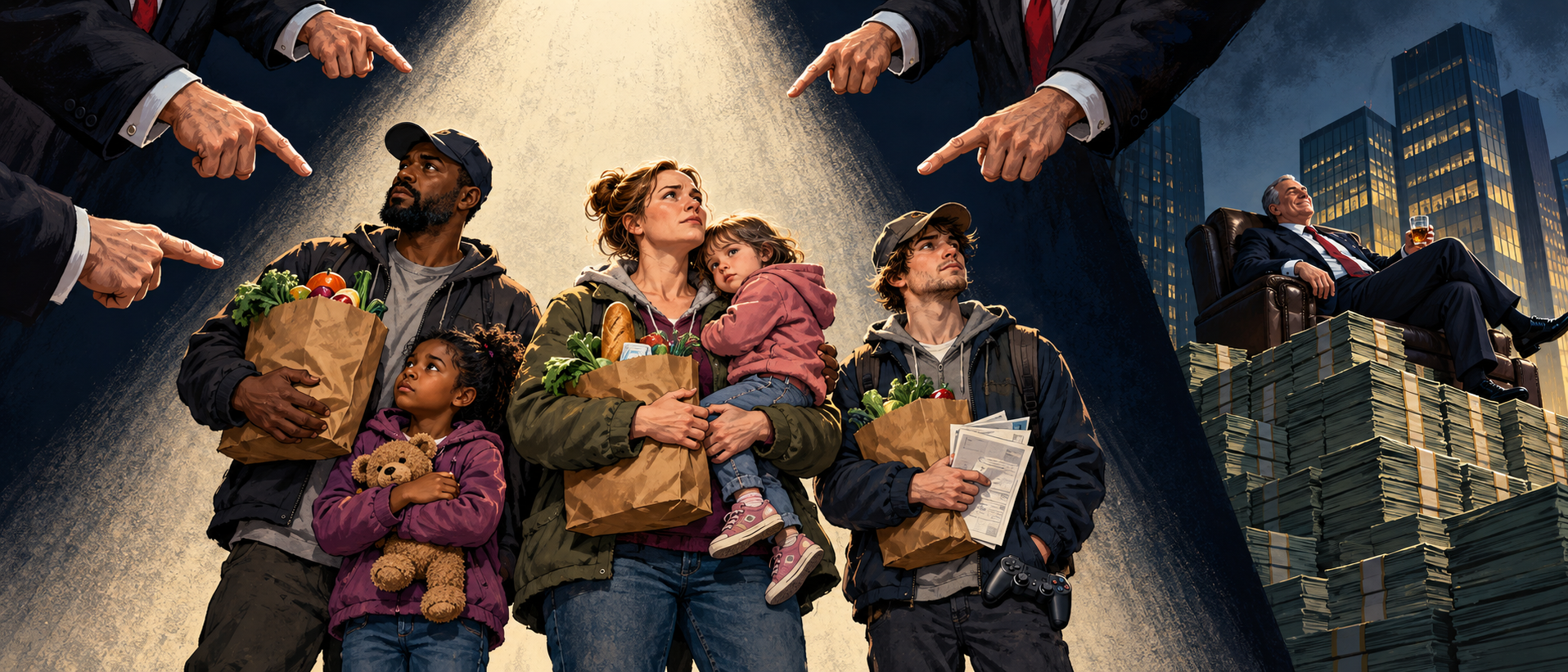
    Same Old Politics, Different Welfare Stereotype

    Well, well, well. Republicans around the country, especially in Arkansas, are upset that Sarah Huckabee Sanders’ new political ad shows a young White man as a “welfare queen.” They are now turning against her for portraying a White man on welfare. They argue that White people have been discriminated against for decades (who has the “victim mindset” again?) and that the commercial should have shown a woman, particularly a Black woman (or a Black person in general), as the problem welfare recipient.

    And part of me agrees that the welfare recipient in the ad was not an accurate portrayal… but not for the racist and sexist reasons they are citing.

    The trope of the lazy young gamer is problematic by itself and many of these unemployed gamers are not on welfare. If they are not actively looking for work, they are usually being financially supported by parents, spouses, domestic partners, siblings, or other family members. Plus, most people who game regularly are employed.

    As for actual welfare recipients, more White people are on welfare than Black people. This is the part where the racists start talking about per capita. But in this case, per capita doesn’t matter. Most people in Arkansas who are on welfare are White (54%). Only 31% of welfare recipients in Arkansas are Black. This means that the face of welfare in Arkansas should more than likely be White, since more White people are on welfare than Black people by sheer number.

    The trope of lazy welfare recipients was popularized in the 1960s after Black people were allowed to participate in those programs. This was also when many conservative Southern politicians from both parties started imposing eligibility rules for welfare that removed men, especially Black men, from the home. Contrary to a popular talking point, it was not President Lyndon Johnson who removed Black men from the home. It was conservative Southern and Midwestern legislatures and governors, most of them Democrats, who started these policies locally and pushed for them to be implemented nationally. These policies were designed to punish Black families for participating in programs originally intended only for White families. Since then, Black people using public housing, housing assistance, food stamps, and other programs we collectively think of as “welfare” have been classified as “lazy” and saddled with other negative stereotypes. This happened despite many of them working low-paying jobs and despite many White families receiving welfare for generations.

    White conservatives need the narrative of Black welfare abuse to advance White supremacy and mask their own dependence on government assistance. In their minds, they use assistance because they need it. Black people use it because they supposedly lack morals and diligence. That is what they think. And then they wonder why they are constantly called “racist” and “bigoted.”

    They also hate that the commercial didn’t feature a woman. Because, Lord knows, you can feature a man with a chronic disability receiving Social Security benefits while mostly appearing able-bodied, and that disability never seems to bother them except when asked to work. But let’s demonize the woman he had children with while ignoring his failure to provide for them. Behind many women who need welfare is a deadbeat father who doesn’t provide for his children.

    This is not to shit on people receiving any form of welfare, including disability benefits. However, we need to stop with the racist and sexist tropes, stereotypes, and narratives around welfare.

    Do people abuse welfare? Yes. All types of people abuse welfare, including the rich…especially the rich. Elon Musk is one of the biggest “welfare queens” out there, spending much of his time playing video games and reposting Nazi propaganda on X. But no one talks about him or gets angry at him. “But Elon Musk is a ‘job creator!’” So are the Somali daycare owners you are now demonizing based on a deceptively produced and edited video by a conservative, made to make the whole community look bad. Again, you wonder why we think of you as “racist” and “bigoted.”

    The point is that all tropes are bad, especially when they are used to demonize the economically downtrodden. Whether it is a Black family, a single White mother, or a young unemployed gamer (of any race), these tropes and stereotypes need to go. We need to stop trying to punish individuals and families for being poor. We need to stop defining and demonizing whole groups of poor people based on the actions of a relative few. We need to stop the exploitation of labor and theft of wages by large corporations that underpay their employees and make them need welfare to live.

    This is my problem with Sarah Huckabee Sanders’ campaign commercial. It’s the same old conservative pastime of punching down. With Sanders, the targets are unemployed gamers and all welfare recipients. With her conservative critics, the targets are women and Black people. It all has to stop.

  • The Diaspora Wars Are a Distraction from Black Liberation

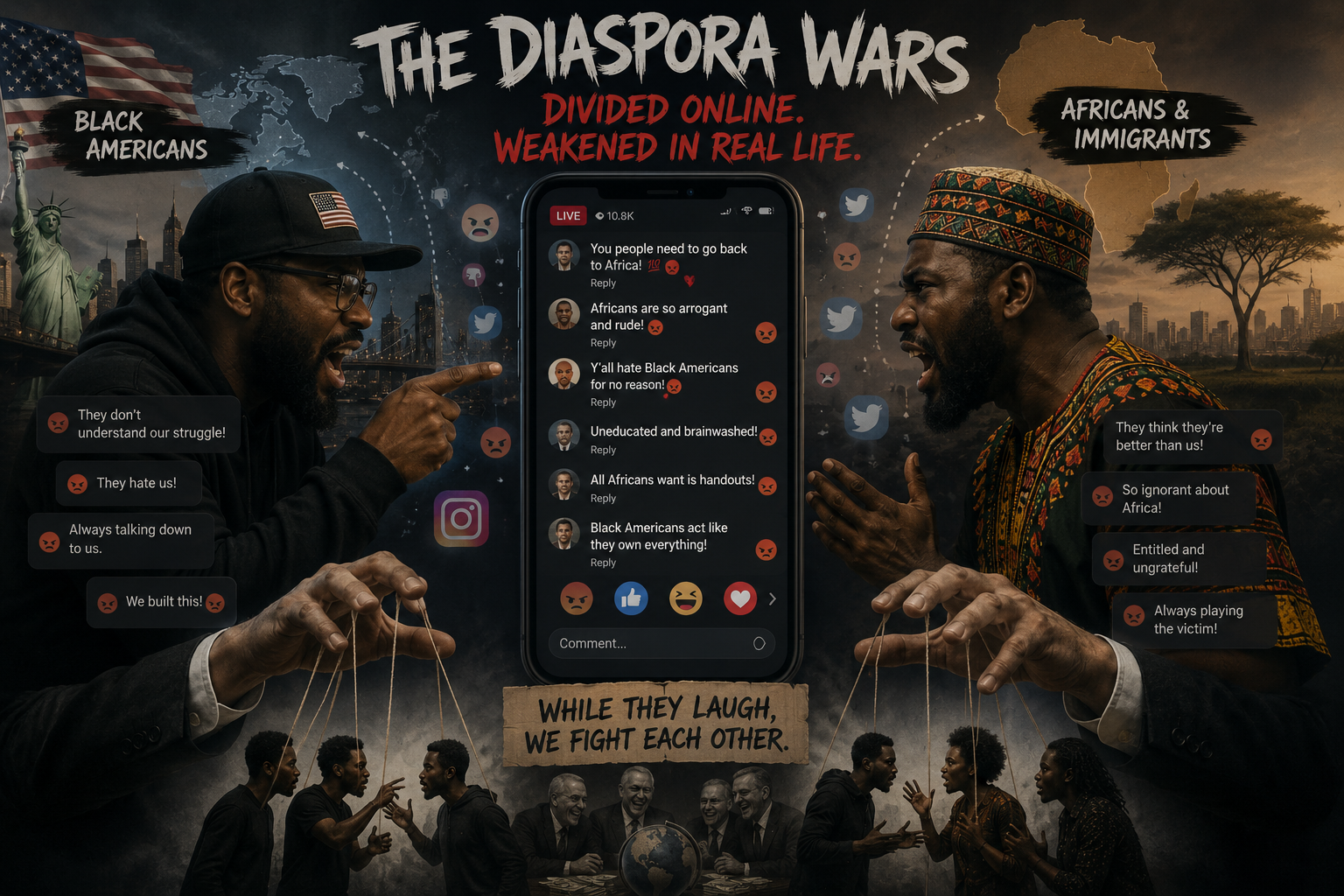
    The Diaspora Wars Are a Distraction from Black Liberation

    I hate the so-called “Diaspora wars.” I really do.

    The more I watch these online battles between Black Americans, Africans, Afro-Caribbeans, and other members of the African diaspora, the more convinced I become that they serve almost no productive purpose. At best, they are fueled by grifters within our own communities who care more about clicks, engagement, and money than they do about Black liberation or Black self-reliance. At worst, they function as a psychological operation that keeps Black people divided while distracting us from the systems that continue to harm all of us.

    The tragedy is that these conflicts are built on the words and actions of a relatively small number of people. Social media algorithms take the most outrageous opinions from a handful of Black Americans and immigrants, amplify them to millions, and convince us that these fringe voices represent entire communities. Existing mistrust, jealousy, and stereotypes (many of which were created and reinforced by white supremacist systems) do the rest.

    The supposed barrage of negative comments and feelings haven’t been my experience. I’ve spent time in the Dominican Republic, and I found most people to be warm and welcoming. I’ve traveled throughout Africa without experiencing the hostility that social media would have you expect. I’ve visited the Caribbean, and while many people understandably assume Americans have endless amounts of money, my interactions have overwhelmingly been positive. More importantly, I don’t stay isolated in luxury resorts. I spend time among everyday people.

    Even here in the United States, many of my friends are immigrants. They respect me, and many have expressed that they want to be accepted by Black Americans just as much as Black Americans want to be accepted by them.

    That’s a reality you don’t often see reflected online.

    Unfortunately, every Black community has people who have internalized anti-Black beliefs. Coons exist in every nationality and every ethnicity. That shouldn’t surprise anyone. After centuries of slavery, colonialism, segregation, imperialism, and the constant message that Black people are somehow inferior, many of us have absorbed those ideas in one form or another. When you’ve been taught for generations that your people contributed nothing to civilization except labor or criminality, some people eventually begin to believe it.

    Internalized oppression doesn’t stop at national borders.

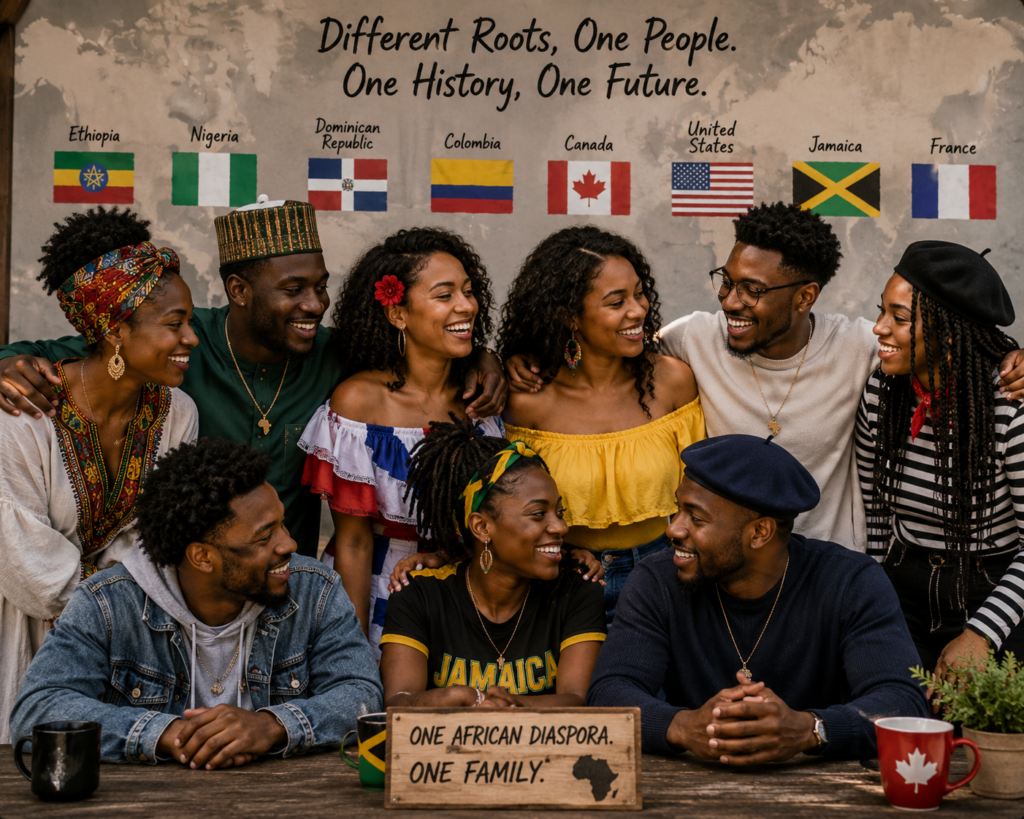
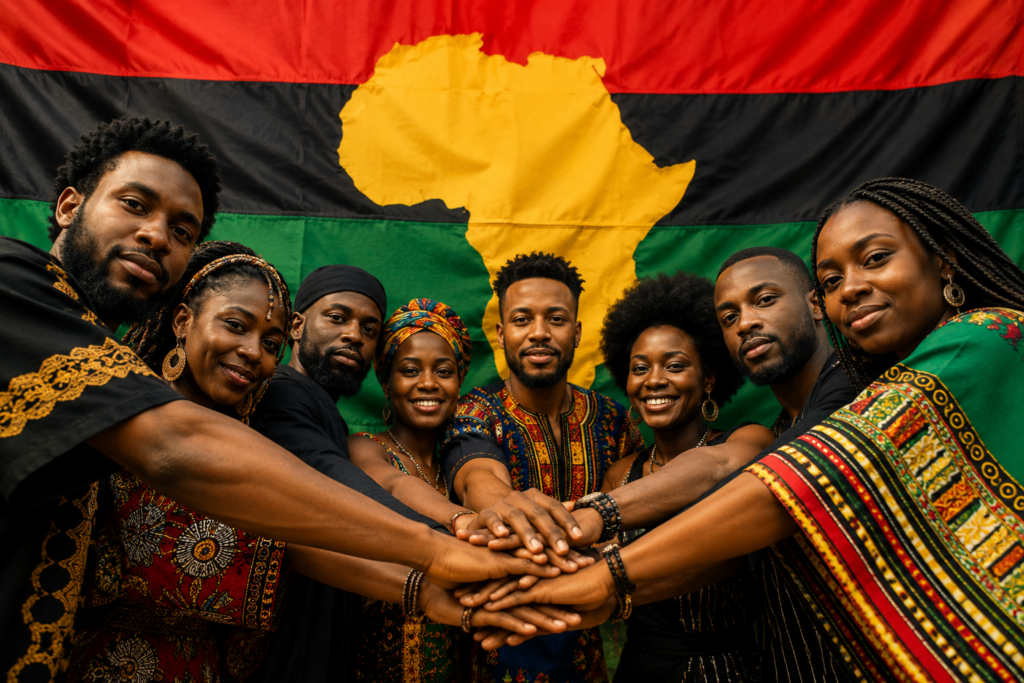
    If we are serious about Black liberation, I believe the only path forward is Pan-Africanism.

    That doesn’t mean pretending our experiences are identical. Black Americans have a unique history rooted in slavery, Jim Crow, and the ongoing struggle for civil rights. Africans have their own histories shaped by colonialism, independence movements, and modern political challenges. Afro-Caribbeans, Afro-Latinos, and other members of the diaspora have their own distinct experiences as well.

    Recognizing those differences shouldn’t prevent us from recognizing our shared humanity and our shared struggle.

    We are connected not only through ancestry but through centuries of resistance against systems built on white supremacy and the ideology of Black inferiority. Those systems have always benefited when Black people distrust one another more than they distrust the institutions that marginalize all of us.

    We shouldn’t allow a handful of loud voices on social media to define our relationships.

    Ignore the people whose entire online presence depends on attacking other Black people. Be skeptical of pseudo-intellectuals who use selective history to create division rather than understanding. And let’s stop demonizing foreign-born Black people over hypothetical reparations that have neither been promised nor seriously pursued by either major political party.

    I wholeheartedly support the idea and the pursuit of reparations. They can help address historical injustices and repair some of the damage caused by centuries of oppression. But no amount of money can guarantee genuine Black liberation if we remain divided and lack a shared vision for our future.

    Liberation requires more than compensation.

    It requires education, unity, and a unwavering love and trust of our people as a collective.

    One lesson I think we should seriously consider comes from communities that invest heavily in teaching their children history, identity, culture, and collective responsibility outside of traditional public education. One such community are Jewish people. Academic subjects are important, but so is learning who you are, where you come from, and what obligations you have to your community.

    We need Afrocentric educational spaces that strengthen our understanding of African civilizations, the global African diaspora, and the interconnected histories of Black people everywhere. Those spaces should include Black Americans, Africans, Afro-Caribbeans, Afro-Latinos, and every other branch of the African family.

    The encouraging news is that this work is already happening.

    I’ve seen Africans sharing the history of Black Americans with wider audiences. I’ve seen members of the diaspora eager to learn from one another, exchange culture, build businesses together, and strengthen Black institutions. There are far more people interested in unity than social media would have us believe.

    Those people deserve more attention than the influencers profiting from division.

    Our goal should never be isolation or xenophobia. Black Americans should not view other Black people as competitors or outsiders simply because they were born elsewhere. Likewise, members of the diaspora should recognize the unique history and contributions of Black Americans without relying on stereotypes.

    History gives us a better example.

    The Civil Rights Movement did not exist in isolation. Black American leaders built relationships with African independence movements, Caribbean intellectuals, and freedom struggles across the globe. Ideas, strategies, and inspiration flowed in both directions because they understood something that many people online seem to have forgotten:

    Our liberation has always been connected.

    Instead of fighting one another over social media narratives, we should be building institutions, exchanging knowledge, strengthening our communities, and creating the kind of global Black solidarity that those who came before us envisioned.

    The diaspora wars may generate clicks but pan-African unity can generate freedom.

    We are stronger as a people when we are united.
  • The Myth That Progressive Ideas Are “Too Radical”

    The Myth That Progressive Ideas Are “Too Radical”

    For years, progressives have been told that our ideas are “too radical” for American voters.

    Apparently, wanting things like:

    • police accountability when unarmed citizens are killed
    • wages that working people can actually live on
    • tuition-free public college
    • universal healthcare
    • serious action on climate change
    • investment in social services instead of endless militarization
    • stronger labor protections and workers’ rights

    …is supposed to be political extremism.

    But here’s the strange part: when these ideas are polled individually, they often receive majority support among the American public, including significant support from voters who identify as independents or even Republicans.

    So if the policies themselves are popular, why do political strategists keep insisting that progressive politics is the problem?

    Too often, Democratic leadership responds to electoral setbacks by blaming the left. We observed this after the 2016 election and again after the disappointing election cycles that failed to produce a victory for the Democrats in 2024.

    However, that explanation overlooks a more fundamental issue with their messaging to voters.

    For decades, Democratic campaigns have frequently tried to position themselves in the political center, appealing to moderate Republican voters and emphasizing bipartisanship. The problem is that this strategy often yields campaigns based on vague platitudes rather than specific, tangible promises.

    “Reaching across the aisle” may sound noble in theory, but it rarely inspires voters who are struggling with stagnant wages, rising healthcare costs, student debt, and unaffordable childcare.

    Concrete policies do inspire people.

    Free public college would dramatically expand opportunities for working-class families. Universal healthcare would provide security to millions of Americans dealing with rising medical costs. A workers’ bill of rights guaranteeing living wages, overtime protections, paid leave, and fair labor standards would materially improve the lives of millions.

    These are not fringe ideas. Versions of them already exist throughout much of the developed world.

    Yet in American political discourse, these proposals are frequently labeled “socialist” or “radical.”

    The reality is that progressive politicians who campaign clearly on economic issues often generate enthusiasm among voters who feel ignored by traditional party messaging.

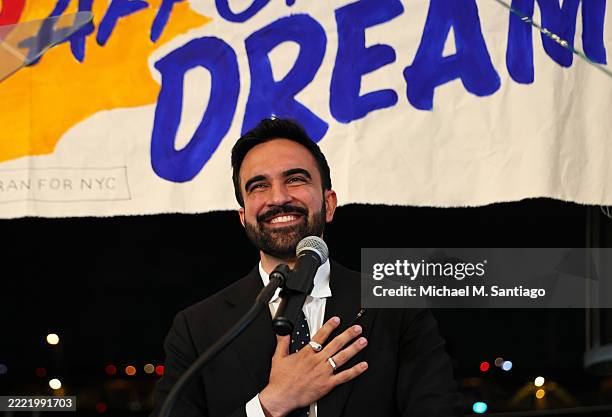
    Figures such as Zorhan Mamdani, Alexandria Ocasio-Cortez, Katie Porter, Ro Khanna, Rashida Tlaib, Ayanna Pressley, and Barbara Lee, among others, have built strong political followings by speaking directly about economic inequality, corporate power, and the needs of working people.

    Whether one agrees with every progressive policy or not, it is difficult to deny that these campaigns often generate energy and engagement among voters who might otherwise stay home.

    The lesson here is not that progressives are the enemy of the Democratic Party. In many cases, they are the ones providing the clearest economic (and even social) message.

    Political movements succeed when they offer people tangible improvements in their lives. Voters are far more likely to mobilize around real material change than around abstract promises of moderation and compromise.

    If the goal is to build a stronger and more equitable society, the debate should not be about whether progress is “too radical.”

    It should be about whether our political system is willing to deliver it.

  • Moral Panics, “Groomer” Accusations, and a Familiar Pattern

    Moral Panics, “Groomer” Accusations, and a Familiar Pattern

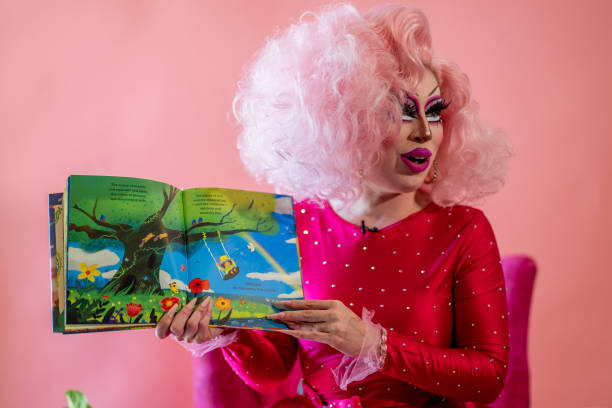
    When conservatives are asked to provide empirical evidence of a connection between the LGBTQIA community and pedophilia, the response is rarely data.

    Instead, what usually appears are viral clips taken out of context, screenshots circulated by accounts like Libs of TikTok, isolated drag performances from other countries, sermons from openly hostile churches, anecdotes repeated on podcasts, or emotionally charged testimony from activists at school board meetings.

    What rarely appears are numbers, peer-reviewed studies, or credible statistical research demonstrating a meaningful relationship between LGBTQIA identity and child predation.

    This is not accidental.

    The current panic surrounding “groomers” follows a pattern that has appeared repeatedly throughout history. Moral panics often rely on emotionally powerful accusations that frame a targeted group as a threat to children or social order. Once that framing takes hold, evidence becomes secondary to fear.

    In many cases, the people promoting these accusations present themselves as defenders of vulnerable children. Yet it is often the same political actors who oppose policies that materially support children, such as expanded healthcare, education funding, or protections against abuse.

    That contradiction should raise questions.

    For Black Americans in particular, this rhetoric has an unsettling historical echo. Throughout the late nineteenth and early twentieth centuries, Black men were routinely portrayed as sexual predators who threatened white women. These accusations were rarely supported by evidence, but they were politically powerful. They were used to justify segregation, mass incarceration, racial terror, and the destruction of entire Black communities.

    The narrative did not have to be true. It only had to be believed.

    The same mechanism is visible today. By portraying LGBTQIA people as inherently predatory, political movements can frame discrimination as protection. Policies restricting LGBTQIA rights are then presented not as acts of exclusion, but as necessary defenses of children.

    This strategy is not new.

    In the early twentieth century, the Ku Klux Klan expanded its influence by presenting itself as a protector of “American values,” white womanhood, and Christian civilization. Films like The Birth of a Nation helped transform the Klan’s image from that of a small terrorist organization in the South into a supposed guardian of social order.

    History shows how dangerous that type of narrative can become.

    None of this means that abuse never occurs in any community. Sexual abuse exists across every demographic group and social category. But addressing it responsibly requires evidence, data, and careful investigation—not broad accusations aimed at entire populations.

    When accusations replace evidence, the goal is rarely child protection. More often, the goal is political mobilization.

    Moral panics have always worked that way.

  • Political Demonization and the Collapse of Civil Discourse

    Political Demonization and the Collapse of Civil Discourse

    Over the past several decades, a pattern has emerged in American political rhetoric, particularly in certain corners of conservative media and political leadership.

    People on the political left are not merely described as political opponents. We are often portrayed as existential threats to the nation.

    For years, many prominent conservative commentators and politicians have repeatedly described Democrats and left-leaning Americans as:

    • Anti-American or people who “hate America”
    • Socialists or communists
    • Participants in child-trafficking conspiracies
    • Doctors who secretly perform gender surgeries on children without parental knowledge
    • Supporters of violent crime
    • Architects of mass immigration designed to manipulate elections
    • Violent extremists who are responsible for “burning down cities”
    • Lazy individuals who simply want government handouts
    • Rampant sexual deviants who want to groom children into non-heteronormative lifestyles

    Many of these accusations are not policy disagreements. They are moral accusations. They are claims that state that their political opponents are fundamentally dangerous, corrupt, or evil.

    When these claims are repeated constantly through media ecosystems, they can shape how entire audiences perceive political reality. Over time, exaggerated or false narratives can become accepted as unquestioned truths.

    This dynamic has serious consequences.

    When political opponents are portrayed not simply as people with different policy views but as criminals, traitors, or threats to society, it becomes easier for some individuals to justify hostility or even lethal violence against them.

    At the same time, many of the same political figures who use this kind of rhetoric often react strongly when criticism is directed toward them. Labels such as “bigot” (in any form), “authoritarian,” or “fascist” are often condemned as unfair or offensive, even when critics argue that those labels are based on observable political behavior.

    The result is a deeply polarized environment in which one side hurls childish insults, irrational accusations, and charges of civic disloyalty, which endangers those on the receiving end. Then they clutch their pearls when met with the same energy in response.

    In the end, our political conversation devolves into arguing against strawman caricatures of people, on either side, rather than having good-faith arguments based on facts and reality.

    Healthy democratic societies require disagreement. Political conflict is inevitable and often productive.

    But democracy becomes fragile when political actors stop treating their opponents as fellow citizens and begin treating them as soulless enemies who don’t love the land that we are in.

    Once that shift happens, civil discourse becomes nearly impossible, and political conflict begins to resemble cultural warfare rather than democratic debate.

  • Crime Statistics and the Problem of Misinterpretation

    Crime Statistics and the Problem of Misinterpretation

    Here is a simple analogy that helps illustrate how crime statistics are often misunderstood.

    Black Americans make up roughly 70% of professional American football players in the NFL.

    Does that mean every Black person is good at football? Of course not.

    Does it mean that most Black people are good enough to play professional football? Not even close.

    The reality is that less than one percent of high school and college football players ever make it to the professional level. Even within the population that is most heavily represented in the sport, only a tiny fraction actually reach the NFL.

    The same type of misunderstanding often appears in conversations about crime statistics.

    The United States currently has about 48 million Black residents. According to FBI data, roughly 2 million Black Americans are arrested for crimes in a given year. Even if we assume every arrest involved a guilty individual (which is clearly not the case) and that these arrests aren’t repeat arrests of many of the same people, that would still represent only about 4% of the Black population.

    The numbers become even smaller when we look at incarceration.

    According to the Bureau of Justice Statistics, less than half of one percent of Black Americans are currently in prison.

    That means more than 99% of Black Americans are not incarcerated.

    In other words, the overwhelming majority of Black people in the United States are law-abiding citizens.

    Yet public discussions about crime often create the impression that criminal behavior defines the community as a whole. That perception is driven less by statistical reality and more by media coverage, political rhetoric, and social stereotypes.

    Crime exists in every society and within every demographic group. But when statistics are removed from their full population context, they can easily be used to reinforce distorted narratives.

    Understanding numbers requires more than simply repeating percentages. It requires examining what those numbers actually represent relative to the size of the population being discussed.

    When viewed in that broader context, the stereotype of widespread criminality collapses under the weight of the data.

    Most people, regardless of race, are simply trying to live their lives, support their families, and stay out of trouble.

    The statistics, when properly understood, reflect that reality.

  • What Critics Get Wrong About DEI

    What Critics Get Wrong About DEI

    If critics of diversity, equity, and inclusion programs truly want to understand what they are criticizing, they should start by understanding what those programs actually do.

    Much of the political rhetoric surrounding DEI rests on a simple assumption: that these initiatives exist primarily to hire underqualified minorities over more qualified white applicants.

    But that assumption misunderstands the purpose of many DEI programs.

    In many workplaces, DEI initiatives are not hiring programs at all. They are training programs focused on workplace conduct, like how employees interact with one another, how discrimination complaints are handled, and how organizations avoid hostile work environments.

    In other words, they are about behavior inside the workplace, not simply about who gets hired.

    This distinction is often lost in political debates.

    Critics frequently frame DEI as a system that lowers standards or promotes unqualified candidates. Yet those claims are rarely supported with concrete evidence. Instead, the arguments often rely on anecdotes, rumors, or viral stories that later turn out to be false or exaggerated.

    The “litter box in schools” rumor is a good example of how quickly misinformation can spread when it reinforces existing political narratives. The story circulated widely online despite having no factual basis.

    The same pattern often appears in debates about DEI.

    Whenever a person from a marginalized group enters a field traditionally dominated by white men, whether as a pilot, executive, professor, or public official, critics sometimes assume that the person must have been hired to satisfy a quota rather than because of their qualifications.

    That assumption says less about hiring practices than it does about the expectations behind it.

    It reflects a long-standing cultural narrative suggesting that success among minorities must be explained by special treatment rather than merit.

    Yet there are many examples throughout American history that challenge that assumption. The Tuskegee Airmen, for example, demonstrated extraordinary skill and discipline during World War II despite facing discrimination and skepticism about their abilities.

    The same dynamic continues today.

    A recent viral video showed a Black woman completing her first liftoff during pilot training. Professional pilots reviewing the footage described the maneuver as textbook and appropriate for the conditions. Yet some online commentators quickly turned the moment into an argument about DEI and supposed lowered standards.

    This response illustrates how quickly discussions about diversity can become framed through suspicion rather than evidence.

    At the same time, conversations about merit often ignore another powerful force in hiring: nepotism.

    Family connections, social networks, and institutional favoritism have long shaped access to jobs and opportunities across many industries. These advantages disproportionately benefit those already connected to existing power structures.

    Yet these dynamics rarely receive the same level of scrutiny as diversity initiatives.

    The result is a debate that focuses intensely on hypothetical examples of unqualified minority hires while overlooking longstanding systems that have quietly shaped opportunity for generations.

    If we are going to have an honest discussion about merit and fairness, then the conversation needs to address all of the ways opportunity is distributed, not just the ones that fit a particular political narrative.

    The goal is not to flood various industries with underqualified people who check off certain boxes in a checklist of representation from marginalized communities. That is not how DEI works.

    Rather, the goal should be to build institutions where ability, preparation, and performance actually matter more than assumptions about who belongs in a particular role, and everyone has an equal opportunity to get and to promote in various careers without doing so in a hostile work environment.

  • When I Disagreed With the New Atheists

    When I Disagreed With the New Atheists

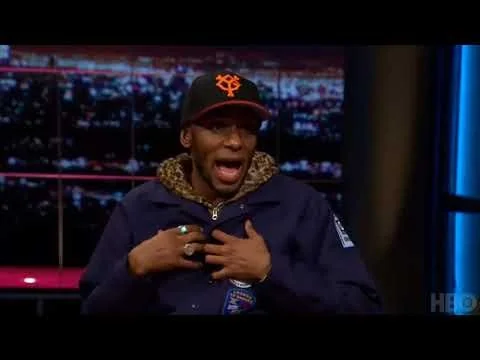
    Years ago, I wrote about a debate that took place on Real Time with Bill Maher between Yasiin Bey (formerly Mos Def) on one side and Bill Maher and Christopher Hitchens on the other. The topic, unsurprisingly, was the September 11 attacks and the broader question of Islam.

    At the time, I was widely known among my peers as an atheist thinker and leader. I would jokingly refer to myself as “the atheist.” Because of that, many people expected me to side with Maher and Hitchens. Both men were major figures in the New Atheist movement, and their criticism of religion (especially Islam) was widely embraced within those circles.

    But I found myself agreeing with Yasiin Bey.

    The reason was simple: I have never trusted the United States government’s justifications for many of the wars and military actions it has undertaken since World War II. History provides too many examples of misleading narratives, exaggerated threats, or outright falsehoods used to justify military intervention.

    I was also uncomfortable with the way Muslims were being singled out as uniquely dangerous.

    Most Muslims are not violent extremists. In my own life, I have known many Muslims, and they are as diverse in their beliefs, practices, and interpretations of their religion as Christians or Jews are.

    As a Black American, I also could not ignore another historical reality: my community has experienced far more terrorism from people identifying as Christians than from Muslims. Groups like the Ku Klux Klan cloaked themselves in Christian imagery and language while carrying out campaigns of terror against Black Americans.

    That history makes it difficult for me to accept arguments that treat Islam as uniquely violent while giving Christianity or Judaism a pass for the actions of their worst adherents.

    Maher and Hitchens often insisted that extremist Muslim groups represented something intrinsic to Islam itself. Yet when confronted with violent or extremist groups within Christianity, such as the KKK or Christian Identity movements, they were much quicker to argue that those groups were distortions of the religion rather than expressions of it.

    That double standard always bothered me.

    If organizations like ISIS or Al-Qaeda are considered perversions of Islam (and I believe they are), then the same intellectual honesty should be applied when discussing extremist groups that claim Christian identity.

    At the time, my position drew criticism from some of my fellow atheists. Many people in the New Atheist movement treated Maher and Hitchens almost as intellectual heroes, and disagreeing with them was not always well received.

    But I have always believed that intellectual honesty matters more than tribal loyalty.

    I still respect both Maher and Hitchens for their role in normalizing atheism and encouraging people to question religious authority. Their contributions to secular thought are significant.

    But admiration does not require agreement.

    Even then, I could see that their criticism of religion, particularly Islam, sometimes crossed the line from critique into something that felt more like cultural hostility at best and bigotry at worst.

    Looking back now, I feel even more confident in the position I took at the time.

    Sometimes the most honest place to stand is not with your allies or your critics, but simply where the evidence and your own conscience lead you.

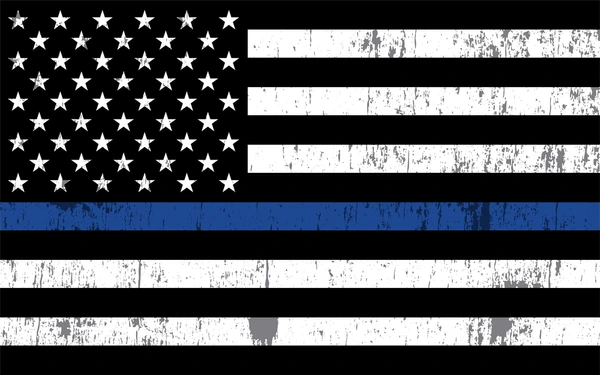
  • Policing, Power, and the Battle Over Public Narrative Part 3: Why “Blue Lives Matter” Misses the Point

    Policing, Power, and the Battle Over Public Narrative Part 3: Why “Blue Lives Matter” Misses the Point

    In response to the Black Lives Matter movement, a new slogan began circulating in political discourse: “Blue Lives Matter.”

    Supporters of the phrase often describe it as a show of solidarity with law enforcement officers. At first glance, that explanation may appear reasonable.

    However, the slogan presents several problems.

    First, policing is a profession, not an identity. Individuals choose to become police officers, while race is an inherent characteristic that people do not choose.

    Second, police officers already receive substantial institutional support and public recognition.

    When an officer is killed in the line of duty, the incident typically receives widespread media attention. Memorial funds are established, funeral services are attended by officials from multiple agencies, and the officer’s name may be added to national memorials honoring fallen law enforcement personnel.

    Numerous organizations also exist specifically to support police officers and their families. These include groups such as:

    • Concerns of Police Survivors (C.O.P.S.)
    • The Fraternal Order of Police Foundation
    • The Officer Down Memorial Page
    • The National Law Enforcement Officers Memorial Fund

    In other words, support systems for police officers already exist and are widely recognized.

    The phrase “Blue Lives Matter,” therefore, does not address a lack of recognition or support for law enforcement. Instead, it emerged primarily as a reaction to the concerns raised by Black Lives Matter.

    Because of this context, many people, including me, view the slogan not as a genuine expression of support for police officers, but as a cynical rhetorical attempt to dismiss the grievances being expressed by those calling for police accountability.

    It is entirely possible to support the idea of law enforcement while also demanding transparency and accountability within policing institutions.

    In fact, those goals are not contradictory. They are mutually reinforcing.

    Public trust in law enforcement grows stronger when citizens believe that misconduct will be taken seriously and addressed fairly.

    Ultimately, the goal should not be to compete over slogans or hashtags. The goal should be to create a justice system that treats every person with equal dignity and respect under the law.