Tag: history

  • Racism Did Not Disappear. It Learned to Dress Better.

    Racism Did Not Disappear. It Learned to Dress Better.

    I have shared videos of Ku Klux Klan members and other racists explaining what they believe on my Facebook page. What interests me is how familiar some of those beliefs sound once you look past the robes, the slurs, and the willingness to say the quiet part out loud.

    The KKK does not represent every American. Nor should one town, one interview, or one group stand in for the whole country.
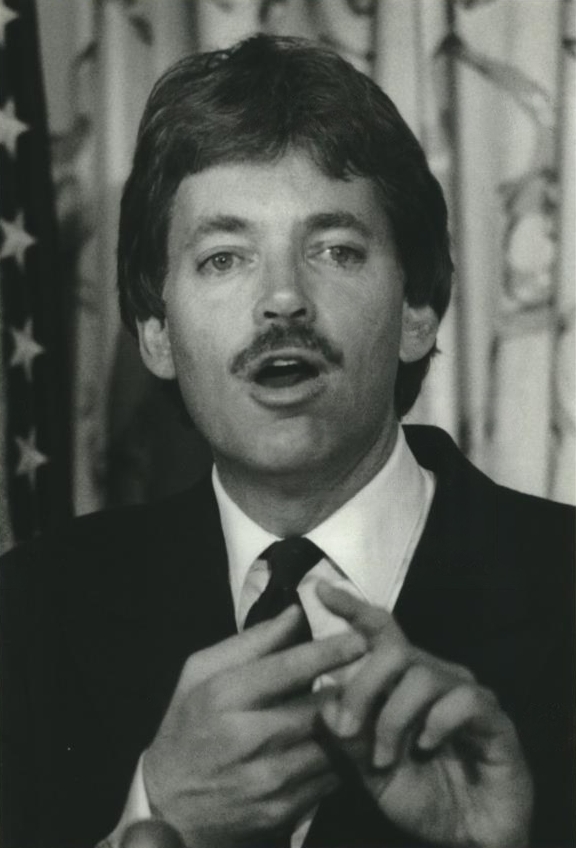
    A photo of David Duke from 1989.
    David Duke wanted to make the KKK more acceptable to theAmerican public by presenting a more polished and white collar image of the group.

    But that does not mean the ideas expressed in those videos exist only among people who openly identify as racists.

    The belief that Black people are inherently less capable, less civilized, more dangerous, or less deserving can appear in different forms and degrees. Someone can reject the Klan and still accept assumptions that have a great deal in common with its worldview.

    That is what I want people to examine.

    For generations, racism helped justify conquest, enslavement, colonial exploitation, and exclusion. People dressed those justifications up as science, religion, common sense, and concern for civilization.

    The cruelty came with an explanation. The explanation made the cruelty easier to defend.

    We still need to pay attention to that process.

    Racism can become so familiar that people stop recognizing it unless it appears in its most extreme form. They know a hood and a burning cross when they see them. They know an explicit slur when they hear one.

    But a polished commentator making insinuations about Black intelligence, criminality, or belonging? Suddenly, we are supposed to consider whether that person is simply a misunderstood truth-teller.

    Apparently, racism becomes harder to recognize when the speaker has a studio, a suit, and a respectable vocabulary.

    A photo of Nick Fuentes.
    Nick Fuentes is literally a self-professed Nazi (or Nazi sympathizer) who can get away with much of what he says, and was invited to Donald Trump’s mansion for dinner because he isn’t seen in the uniform of White supremacy.

    I am tired of the idea that avoiding the N-word automatically makes an argument free of racism.

    What is the argument asking us to believe? How is the evidence being used? What context has been left out? Is a problem being examined, or is an entire people being assigned a negative character?

    Those questions matter more than whether the speaker remembered to avoid a slur.

    Statistics deserve scrutiny too. A number can be accurate while the story built around it is misleading. Selective comparisons, missing context, and sweeping conclusions can turn data into a tool for reinforcing prejudice.

    If someone uses a statistic to suggest that Black people are inherently defective, the presence of a number does not make that suggestion objective.

    A spreadsheet does not wash racism out of an argument.

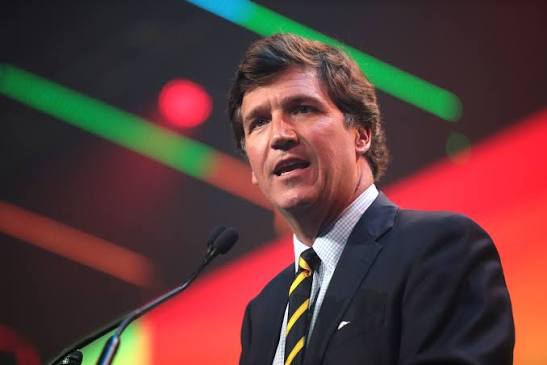
    A photo of Charlie Kirk holding a microphone.
    Charlie Kirk’s “truth” was nothing more than racism using cherry-picked and out-of-context statistics. These are often quoted on his podcast and while debating undergrad students on college campuses.

    One of the things I wanted people to notice in those videos was the date.

    When were these people saying these things? When were the incidents happening? How long after the major civil-rights victories were communities still facing intimidation, exclusion, and openly racist hostility?

    Too many people talk as though the Civil Rights Act of 1964 and the Voting Rights Act of 1965 closed the book on racism.

    Those laws were extremely important. But passing a law did not instantly change everyone’s beliefs, dismantle every discriminatory practice, or erase the advantages accumulated under the old arrangements.

    Some attitudes changed. Some people changed. Others learned to conceal what they believed or express it in language that gave them plausible deniability.

    We should recognize progress without pretending that it finished the job.

    That is also why I keep returning to the contrast between how Barack Obama and Donald Trump have been judged.

    I am not arguing that every criticism of Obama was racist. I criticized him myself. His policies and decisions deserve examination like those of any other president.

    But I watched people demand that he be endlessly calm, polished, articulate, restrained, and reassuring—and still treat him as illegitimate, threatening, or fundamentally out of place.

    He could meet their stated standards and still fail the test.

    Then I watched some of those same people celebrate Trump’s belligerence, insults, and disregard for restraint as signs of strength.

    Conduct they would have treated as disqualifying in Obama became proof that Trump was authentic and willing to fight.

    A picture of Donald Trump at a podium looking angry.
    Donald Trump can get away with egregious behavior that Obama is not able to get away with. Obama had to mostly remain stoic during his presidency, while Trump can be angry and belligerent.

    What changed—the standard, or the person being judged?

    That question deserves more than a reflexive accusation that I am “making everything about race.”

    I do not need to claim that every measure of the country’s condition was better under Obama to make this point. Presidents should be judged on evidence, and different outcomes require different comparisons.

    My concern here is the permission some people grant one leader while demanding constant reassurance from another.

    If restraint is essential to presidential character, it should matter when Trump lacks it. If inflammatory rhetoric is dangerous, it should not become admirable simply because the speaker is someone you support.

    And if intelligence, preparation, and dignity are the standards, meeting them should count regardless of the president’s race.

    Too often, that consistency disappears.

    This is why the openly racist videos matter to me. They make certain assumptions easier to hear. Once we recognize those assumptions in their bluntest form, we should be willing to examine where else they appear.
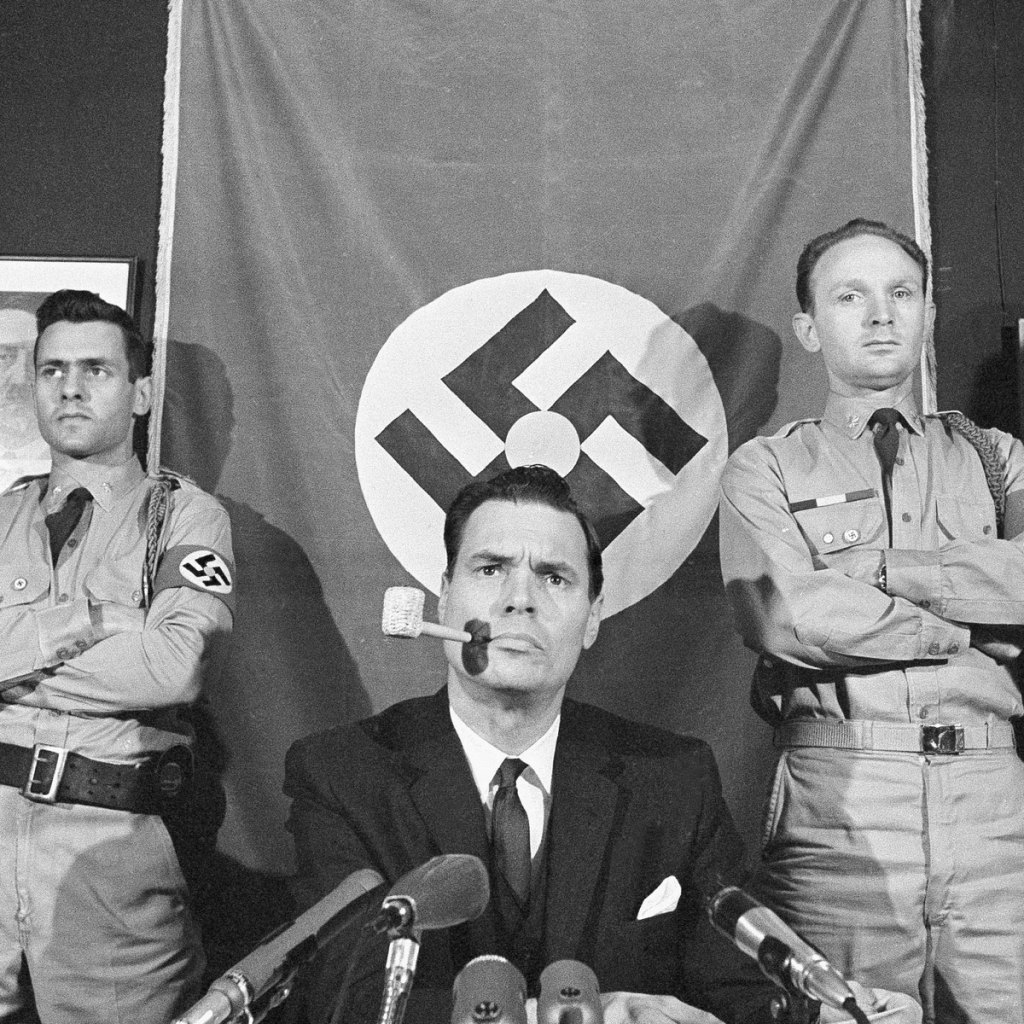
    A picture of George Lincoln Rockwell wearing a suit and tie while flanked by two White men wearing Nazi uniforms. A Nazi flag hangs behind them.
    George Lincoln Rockwell was the founder of the American Nazi Party (ANP). He was a very articulate man who attended an Ivy League University (Brown University). Often, he would dress in Nazi uniforms but he would often dress in a suit and speak while smoking his signature pipe. Often, his message wasn’t necessarily antagonistic or violent, but they were exclusionary and racist.

    The delivery may be smoother. The speaker may deny any prejudice. The audience may insist that it is all about policy, statistics, or “telling the truth.”

    But we still have to examine the substance.

    Racism does not need a hood, a slur, or a confession to operate.

    And refusing to recognize it until someone supplies all three gives far too many people permission to keep doing it.

  • Same Old Politics, Different Welfare Stereotype

    Same Old Politics, Different Welfare Stereotype

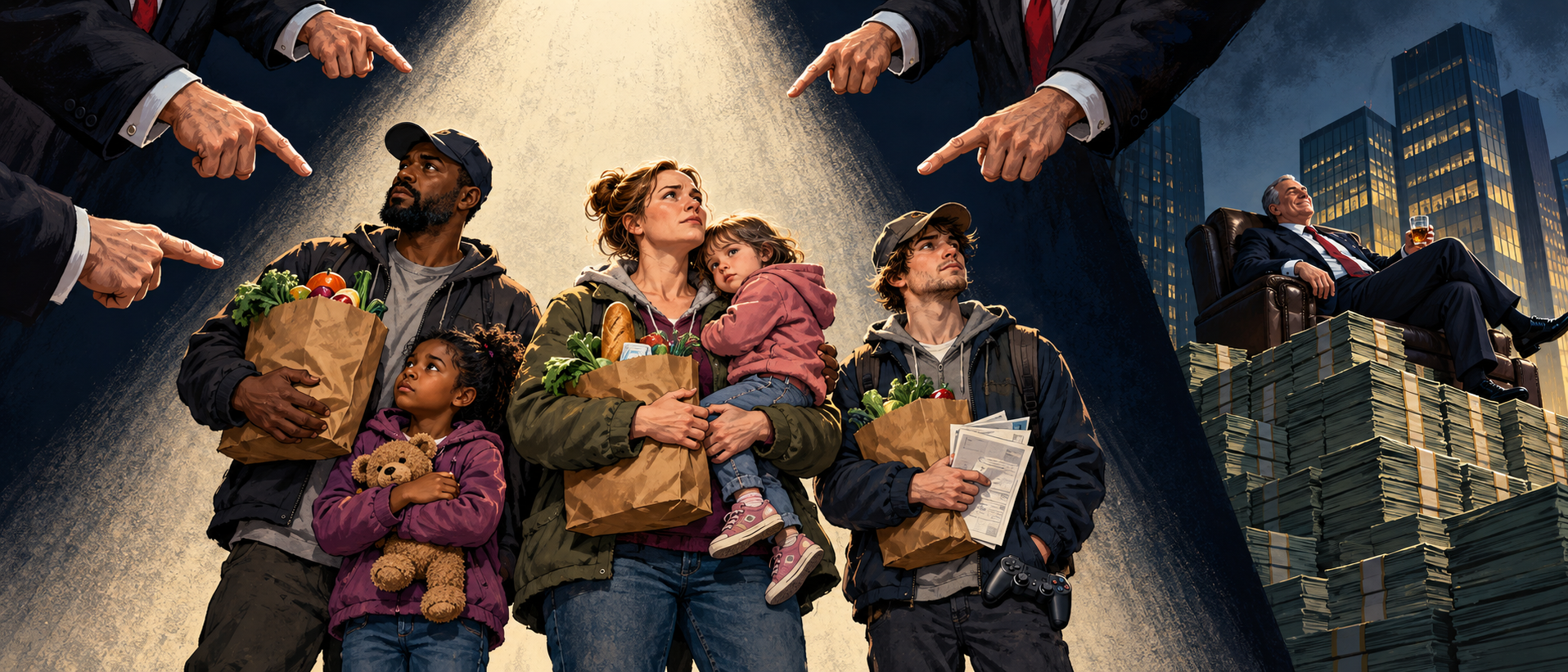
    Well, well, well. Republicans around the country, especially in Arkansas, are upset that Sarah Huckabee Sanders’ new political ad shows a young White man as a “welfare queen.” They are now turning against her for portraying a White man on welfare. They argue that White people have been discriminated against for decades (who has the “victim mindset” again?) and that the commercial should have shown a woman, particularly a Black woman (or a Black person in general), as the problem welfare recipient.

    And part of me agrees that the welfare recipient in the ad was not an accurate portrayal… but not for the racist and sexist reasons they are citing.

    The trope of the lazy young gamer is problematic by itself and many of these unemployed gamers are not on welfare. If they are not actively looking for work, they are usually being financially supported by parents, spouses, domestic partners, siblings, or other family members. Plus, most people who game regularly are employed.

    As for actual welfare recipients, more White people are on welfare than Black people. This is the part where the racists start talking about per capita. But in this case, per capita doesn’t matter. Most people in Arkansas who are on welfare are White (54%). Only 31% of welfare recipients in Arkansas are Black. This means that the face of welfare in Arkansas should more than likely be White, since more White people are on welfare than Black people by sheer number.

    The trope of lazy welfare recipients was popularized in the 1960s after Black people were allowed to participate in those programs. This was also when many conservative Southern politicians from both parties started imposing eligibility rules for welfare that removed men, especially Black men, from the home. Contrary to a popular talking point, it was not President Lyndon Johnson who removed Black men from the home. It was conservative Southern and Midwestern legislatures and governors, most of them Democrats, who started these policies locally and pushed for them to be implemented nationally. These policies were designed to punish Black families for participating in programs originally intended only for White families. Since then, Black people using public housing, housing assistance, food stamps, and other programs we collectively think of as “welfare” have been classified as “lazy” and saddled with other negative stereotypes. This happened despite many of them working low-paying jobs and despite many White families receiving welfare for generations.

    White conservatives need the narrative of Black welfare abuse to advance White supremacy and mask their own dependence on government assistance. In their minds, they use assistance because they need it. Black people use it because they supposedly lack morals and diligence. That is what they think. And then they wonder why they are constantly called “racist” and “bigoted.”

    They also hate that the commercial didn’t feature a woman. Because, Lord knows, you can feature a man with a chronic disability receiving Social Security benefits while mostly appearing able-bodied, and that disability never seems to bother them except when asked to work. But let’s demonize the woman he had children with while ignoring his failure to provide for them. Behind many women who need welfare is a deadbeat father who doesn’t provide for his children.

    This is not to shit on people receiving any form of welfare, including disability benefits. However, we need to stop with the racist and sexist tropes, stereotypes, and narratives around welfare.

    Do people abuse welfare? Yes. All types of people abuse welfare, including the rich…especially the rich. Elon Musk is one of the biggest “welfare queens” out there, spending much of his time playing video games and reposting Nazi propaganda on X. But no one talks about him or gets angry at him. “But Elon Musk is a ‘job creator!’” So are the Somali daycare owners you are now demonizing based on a deceptively produced and edited video by a conservative, made to make the whole community look bad. Again, you wonder why we think of you as “racist” and “bigoted.”

    The point is that all tropes are bad, especially when they are used to demonize the economically downtrodden. Whether it is a Black family, a single White mother, or a young unemployed gamer (of any race), these tropes and stereotypes need to go. We need to stop trying to punish individuals and families for being poor. We need to stop defining and demonizing whole groups of poor people based on the actions of a relative few. We need to stop the exploitation of labor and theft of wages by large corporations that underpay their employees and make them need welfare to live.

    This is my problem with Sarah Huckabee Sanders’ campaign commercial. It’s the same old conservative pastime of punching down. With Sanders, the targets are unemployed gamers and all welfare recipients. With her conservative critics, the targets are women and Black people. It all has to stop.

  • Nation-Building Requires Reality, Not Conspiracy Theories

    Nation-Building Requires Reality, Not Conspiracy Theories

    One of the biggest mistakes I see in some corners of the Black community is the tendency to give white people far too much credit.

    White people are not omniscient.

    They are not omnipotent.

    They do not spend centuries carrying out flawless master plans that unfold exactly as intended. History simply doesn’t support that view.

    Most governments, corporations, and powerful institutions don’t operate like the cartoonish villains in a Hollywood movie. Their conspiracies (when they exist) are usually messy, short-sighted, reactive, and often exposed much sooner than people imagine. They make mistakes. They fight among themselves. They pursue immediate political or economic gains without fully understanding the long-term consequences of their decisions.

    History is full of examples where powerful people achieved one objective only to create entirely new problems they never anticipated.

    That doesn’t make oppression any less real. I am certainly not arguing that. Rather, it simply makes the oppressors more human.

    Unfortunately, some people have embraced a worldview where every historical event is interpreted as evidence of an elaborate, centuries-long conspiracy that only a handful of self-proclaimed “enlightened” YouTubers can supposedly decode.

    I don’t buy it.

    Ironically, this kind of thinking can become a form of white supremacy itself.

    Why?

    Because it assumes that Europeans and their descendants possess almost supernatural intelligence and foresight, and that every outcome in history happened exactly as they intended. It turns them into all-knowing masterminds while reducing everyone else to passive spectators with no agency of their own.

    History is far more complicated than that. Empires rise, and empires fall. Wars produce unintended consequences. Economic systems evolve. And, technology changes societies in unexpected ways.

    Entire civilizations have been transformed by accidents, disease, environmental changes, and decisions that looked reasonable at the time but produced completely unforeseen results.

    The world we live in today wasn’t built from one perfect blueprint. Instead, it emerged from countless successes, failures, conflicts, compromises, and historical accidents.

    The same applies to European dominance.

    Europeans didn’t become globally dominant because they were biologically smarter than everyone else. Wealth, geography, trade networks, military competition, access to resources, political institutions, and centuries of technological development all contributed to that outcome. And let’s not forget the unfortunate accidental “luck” of wiping out most of the people on two continents with new diseases. The Innovation tends to flourish where societies have the resources, security, and incentives to pursue it.

    More importantly, what we choose to believe affects what we choose to do.

    If we convince ourselves that every aspect of our current reality was perfectly engineered hundreds of years ago, we risk believing that nothing can be changed. This fatalism has never liberated anyone and saps people of any real empowerment.

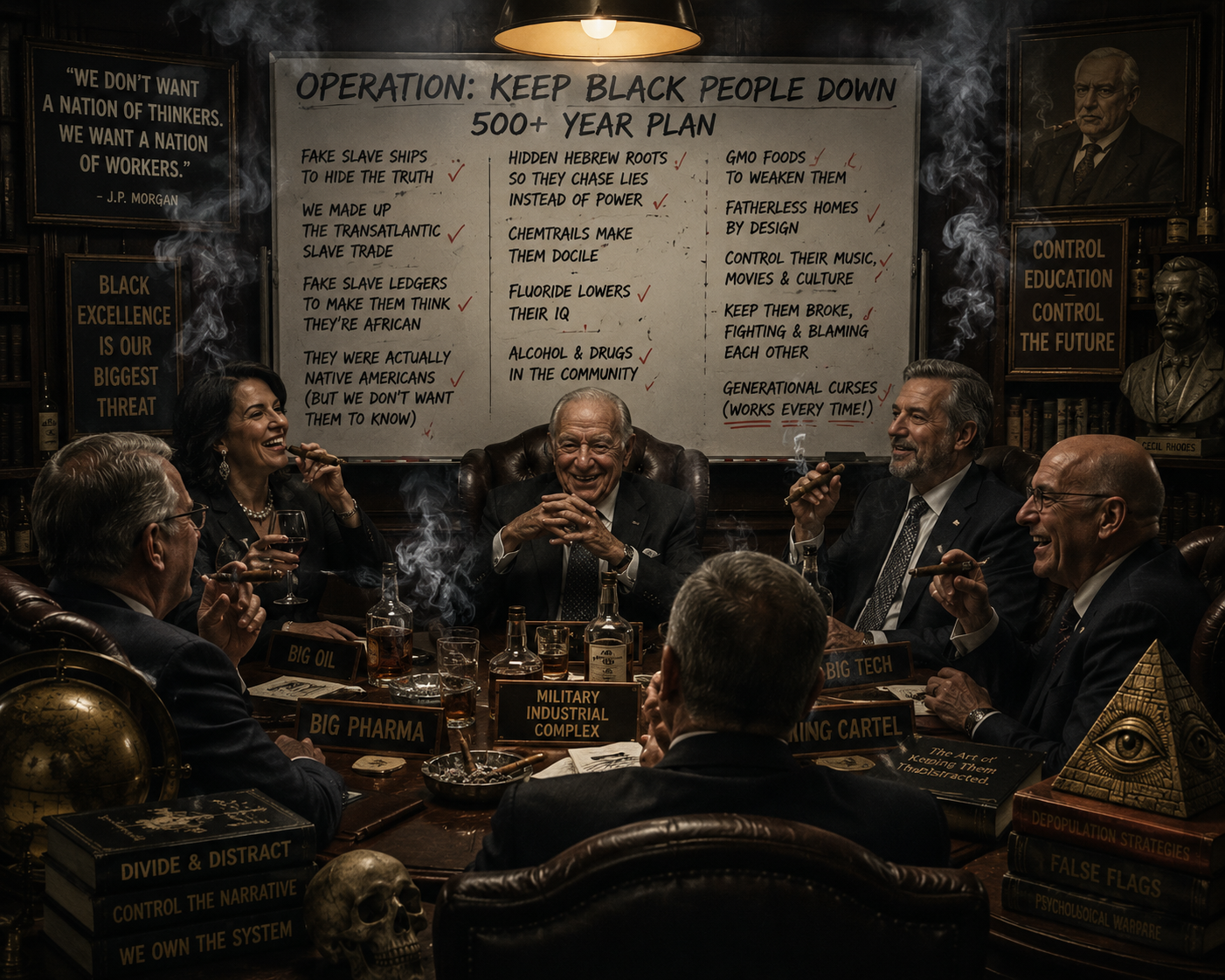
    This is one reason I have little patience for theories claiming that the countless slave ledgers documenting the forced transportation of Africans across the Atlantic are all fabricated because “they” supposedly want us to believe we’re Africans instead of Native Americans or ancient Israelites.

    The historical evidence overwhelmingly points to the fact that Black Americans are primarily descendants of West and West-Central Africans. Accepting that reality doesn’t diminish us. It does the opposite. It connects us to one of the richest, oldest, and most diverse regions in human history.

    Instead of spending our energy chasing increasingly elaborate conspiracy theories, we should be asking far more practical questions:

    How do we build stronger Black-owned businesses?

    How do we create institutions that outlive us?

    How do we increase homeownership?

    How do we educate our children about African and African American history?

    How do we develop economic relationships with countries throughout Africa and the wider African diaspora?

    How do we build wealth instead of merely talking about it?

    These questions are much more important than hanging on to weird conspiracy theories.

    Nation-building is harder than conspiracy-building. It requires discipline instead of speculation, investment instead of internet debates, and cooperation instead of division.

    If we truly want liberation, then our greatest challenge isn’t uncovering another secret plot.

    Our greatest challenge is building communities that are economically independent, culturally confident, politically organized, and connected to the broader African world.

    That’s work worth doing. Everything else is just a distraction.

  • Memorial Day, Patriotism, and the Stories We Tell Ourselves

    Memorial Day, Patriotism, and the Stories We Tell Ourselves

    I have a hard time participating in jingoism, even when it is meant to honor people I respect, sometimes even members of my own family.

    Memorial Day is the day Americans set aside to remember the men and women who made the ultimate sacrifice while serving in the United States armed forces. It also happens to be the unofficial start of summer, a day of barbecues, pools, and gatherings with friends and family.

    But every year, as the speeches and social media posts roll in, I find myself increasingly uncomfortable with the rhetoric surrounding the holiday. Much of it feels less like remembrance and more like pseudo-patriotic flag-waving.

    Let’s be honest about something.

    The United States has not fought a war primarily over the freedom of its own citizens since either the War of 1812 or the Civil War, depending on how one chooses to frame it. Nearly every major conflict since then has been tied to geopolitical strategy, alliances, or the protection of American economic and imperial interests abroad.

    From the Cold War through the late twentieth century, many U.S. military interventions were justified under the Truman Doctrine, a policy aimed at stopping the spread of communism. But communism was never an immediate threat to the civil liberties of most Americans. What it threatened was the global political and economic order dominated by the United States and its Western allies.

    And while American leaders were promoting narratives about defending freedom abroad, millions of Black Americans were still fighting for the most basic civil rights at home.

    Black soldiers served in every American war. They fought and died under the banner of freedom while living in a country that often denied them full citizenship, equal protection under the law, and even basic dignity.

    In many cases, they returned home from battle only to be treated as second-class citizens. Their sacrifices were praised in speeches, but their humanity was still questioned in everyday life.

    In that sense, the people who fought most directly for my freedom were not generals or politicians. They were activists, organizers, and everyday citizens who challenged systems of racial injustice. Many of these heroes were harassed, imprisoned, exiled, or assassinated for their efforts.

    They fought not on foreign battlefields but in American streets, courtrooms, churches, and communities.

    That history makes it difficult for me to fully embrace the triumphant, chest-pounding patriotism that often dominates the Memorial Day holiday.

    This doesn’t mean I don’t respect the individuals who served. Many of them acted out of genuine belief, duty, or economic necessity. Some of them were family members. Their sacrifices were real.

    But respect for those individuals doesn’t require me to accept the mythology that surrounds American military power and American motivation.

    So while others participate in the patriotic pageantry and blast Toby Keith songs about American might, I’ll probably spend the day doing something much quieter.

    I’ll remember the complicated history behind the holiday.

    Then I’ll enjoy the food, spend time with family, and maybe take a dip in the pool.

  • The Imaginary Conservative Dr. Martin Luther King Jr.

    The Imaginary Conservative Dr. Martin Luther King Jr.

    Every January, around the time of Martin Luther King Jr. Day, a familiar political ritual begins.

    Public figures across the political spectrum invoke King’s name in support of their own positions. Liberals quote him. Conservatives quote him. Moderates quote him. Everyone suddenly seems convinced that Dr. King would agree with them if he were alive today.

    In many cases, these attempts say more about the people invoking King than about King himself.

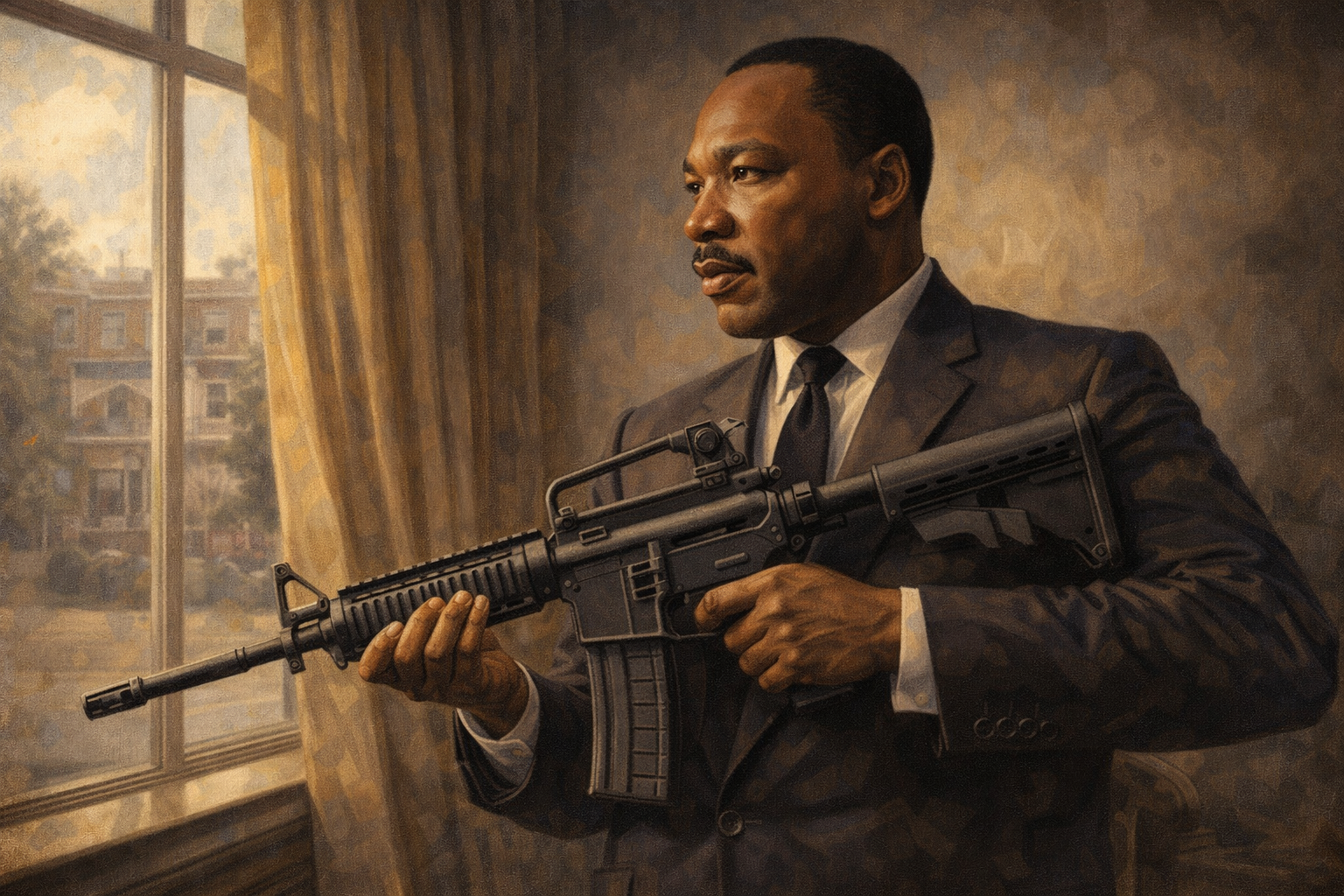
    One of the more curious examples in recent years has been the claim that Dr. King would have opposed modern gun control laws because he owned firearms.

    At first glance, this argument might sound plausible. It is true that King once applied for a permit to carry a handgun after his home was bombed during the Montgomery Bus Boycott. In the violent atmosphere of the Jim Crow South, many civil rights leaders faced credible threats to their lives.

    But isolating that fact while ignoring King’s broader philosophy creates a deeply misleading picture.

    Dr. King was one of the most committed advocates of nonviolence in modern history. His entire political and moral philosophy centered on the belief that violence ultimately corrupts both individuals and societies. Throughout his career, he repeatedly emphasized that the civil rights movement must reject violence—even in the face of brutal repression.

    More importantly, King’s political views extended far beyond the narrow civil rights narrative that is often presented today.

    In the final years of his life, King increasingly criticized economic inequality, militarism, and American foreign policy. He spoke openly about the need for a radical restructuring of American society and argued that poverty, racism, and war were interconnected problems.

    He supported strong labor rights, called for major government programs to address poverty, and spoke favorably about forms of democratic socialism.

    In other words, the historical Dr. King was far more politically complex and far more radical than the sanitized figure often presented in modern political debates.

    Projecting modern ideological battles onto King may be tempting, but it risks distorting the historical record.

    Rather than imagining the version of King we wish existed, it might be more productive to engage honestly with the one who actually did.

  • Nathan Bedford Forrest and the Possibility of Change

    Nathan Bedford Forrest and the Possibility of Change

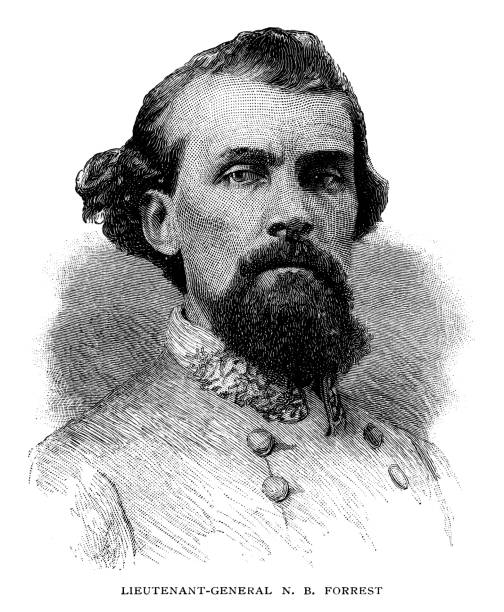
    Nathan Bedford Forrest remains one of the most controversial figures of the American Civil War.

    To many white Southerners, he is remembered as a brilliant cavalry commander and military tactician who rose from poverty to become one of the most effective battlefield leaders of the Confederacy.

    To many others—especially Black Americans—he is remembered as something very different: a former slave trader, a Confederate general associated with the Fort Pillow massacre, and the first Grand Wizard of the Ku Klux Klan.

    Both of these perspectives capture parts of the historical record.

    Before the Civil War, Forrest built a fortune as a slave trader, cotton planter, and livestock dealer. During the war, he became famous for his aggressive cavalry tactics and battlefield success. After the war, he was deeply involved in the early Ku Klux Klan, an organization that used violence and intimidation against newly freed Black Americans and their allies during Reconstruction.

    That part of his legacy is undeniable.

    What is less commonly discussed, however, are the statements Forrest made later in his life. By the 1870s, he publicly distanced himself from the Ku Klux Klan and reportedly called for its disbandment. In 1875, he delivered a speech to a Black civic organization in Memphis in which he encouraged reconciliation and cooperation between Black and white Southerners.

    Historians continue to debate what these actions meant.

    Some believe Forrest experienced a genuine change of heart late in life. Others argue that his statements were politically motivated during a turbulent Reconstruction period.

    What is clear is that Forrest’s life illustrates the uncomfortable complexity of history.

    He was undeniably involved in some of the most brutal systems of racial oppression in American history. At the same time, his later statements suggest at least some recognition—whether moral, political, or pragmatic—that the future of the South required a different path.

    That complexity is often lost in modern debates.

    Some defenders of Confederate memory celebrate Forrest primarily as a military hero while ignoring the racism and violence that defined much of his career. Others reduce him entirely to the worst aspects of his life without acknowledging the possibility—however limited or contested—that his views evolved later on.

    History rarely fits into simple moral categories.

    Studying figures like Nathan Bedford Forrest should not be about glorification or absolution. It should be about understanding how people, institutions, and societies change—and sometimes fail to change—over time.

  • American History Myths #6: The Myth of “Northern Innocence”

    American History Myths #6: The Myth of “Northern Innocence”

    One of the most persistent myths in American history is the idea that legalized segregation and anti-Black racism were primarily Southern problems.

    According to this narrative, the South was the land of slavery, Jim Crow, and overt racial hostility, while the North, especially the so-called “liberal North,” was supposedly a place where racial equality flourished, and people lived together in relative harmony.

    For decades, this is essentially how American history was taught.

    But the reality is far more complicated.

    Anti-Black racism was not confined to the South. It existed throughout the United States, including in Northern cities that often presented themselves as progressive and tolerant. While Southern states openly enforced segregation through Jim Crow laws, Northern states frequently relied on other mechanisms to achieve many of the same results.

    One of the most powerful tools used to maintain racial segregation in Northern and Western cities was the racial covenant.

    Racial covenants were clauses written into property deeds by real estate developers, neighborhood associations, and homeowners. These clauses prohibited the sale or rental of property to certain groups, most commonly Black Americans, but also often including Asian Americans, Jews, and other minorities.

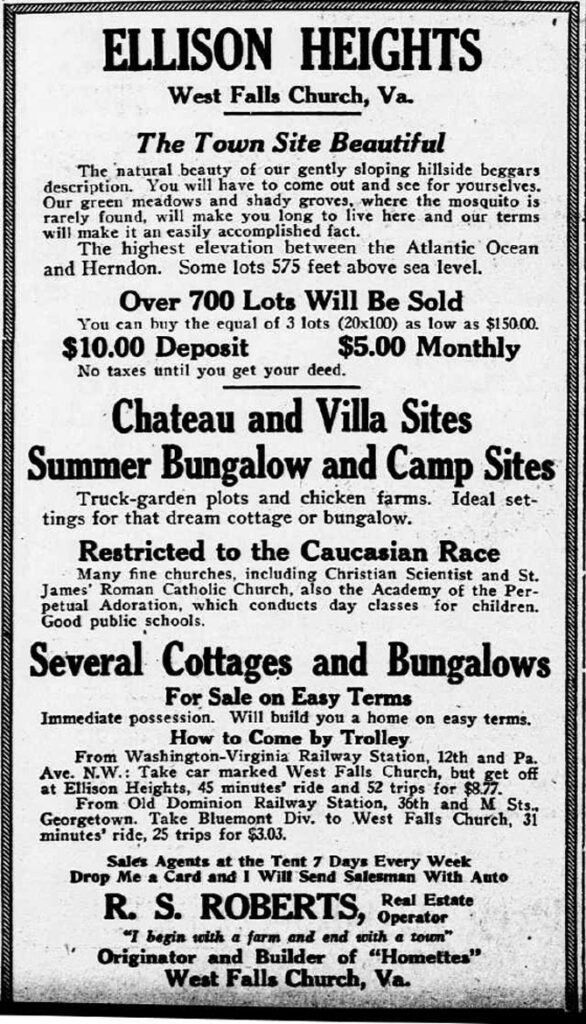
    Example of a racial covenant. Note the words “Restricted to the Caucasian Race”

    These restrictions were widespread across the country. Entire neighborhoods were built with the explicit condition that homes could not be sold to non-white residents.

    The consequences were enormous.

    By restricting where Black families could live, racial covenants effectively barred them from access to wealthier neighborhoods, better public schools, and the property values that allowed many white families to accumulate generational wealth through home ownership.

    Racial covenants were only one piece of a larger system of discrimination often referred to as racial steering or social steering. Through practices by real estate agents, banks, and government institutions, different racial groups were deliberately directed or confined to specific areas of cities and metropolitan regions.

    Although the Supreme Court ruled racially restrictive covenants unenforceable in Shelley v. Kraemer (1948) and the Fair Housing Act of 1968 outlawed many forms of housing discrimination, the patterns created by decades of segregation did not disappear overnight.

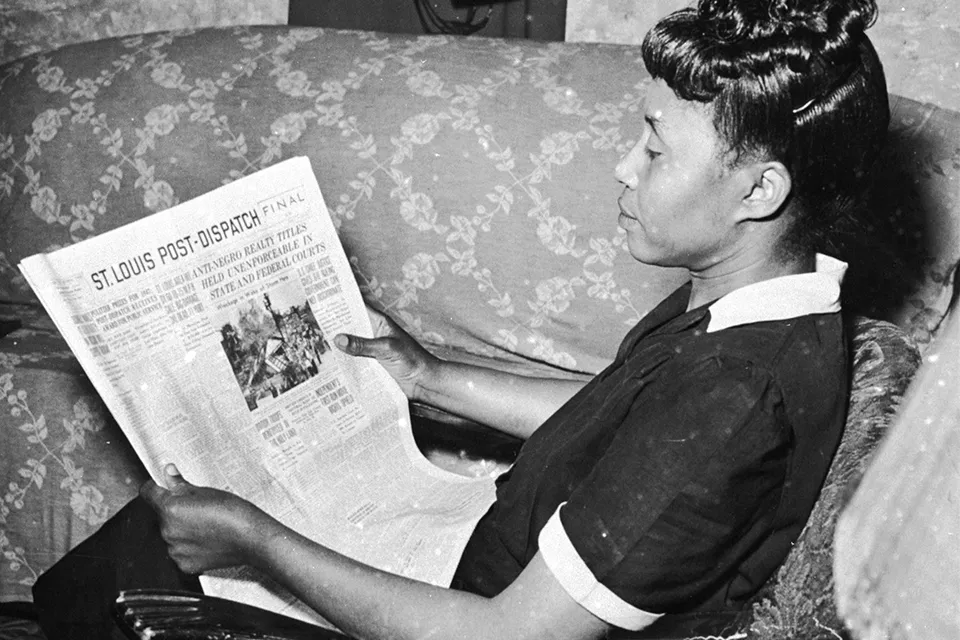
    Ethel Shelley reads a May 4, 1948, St. Louis Post-Dispatch story about the Supreme Court decision outlawing racial covenants. (Courtesy St. Louis Post-Dispatch)

    In many cases, they persisted.

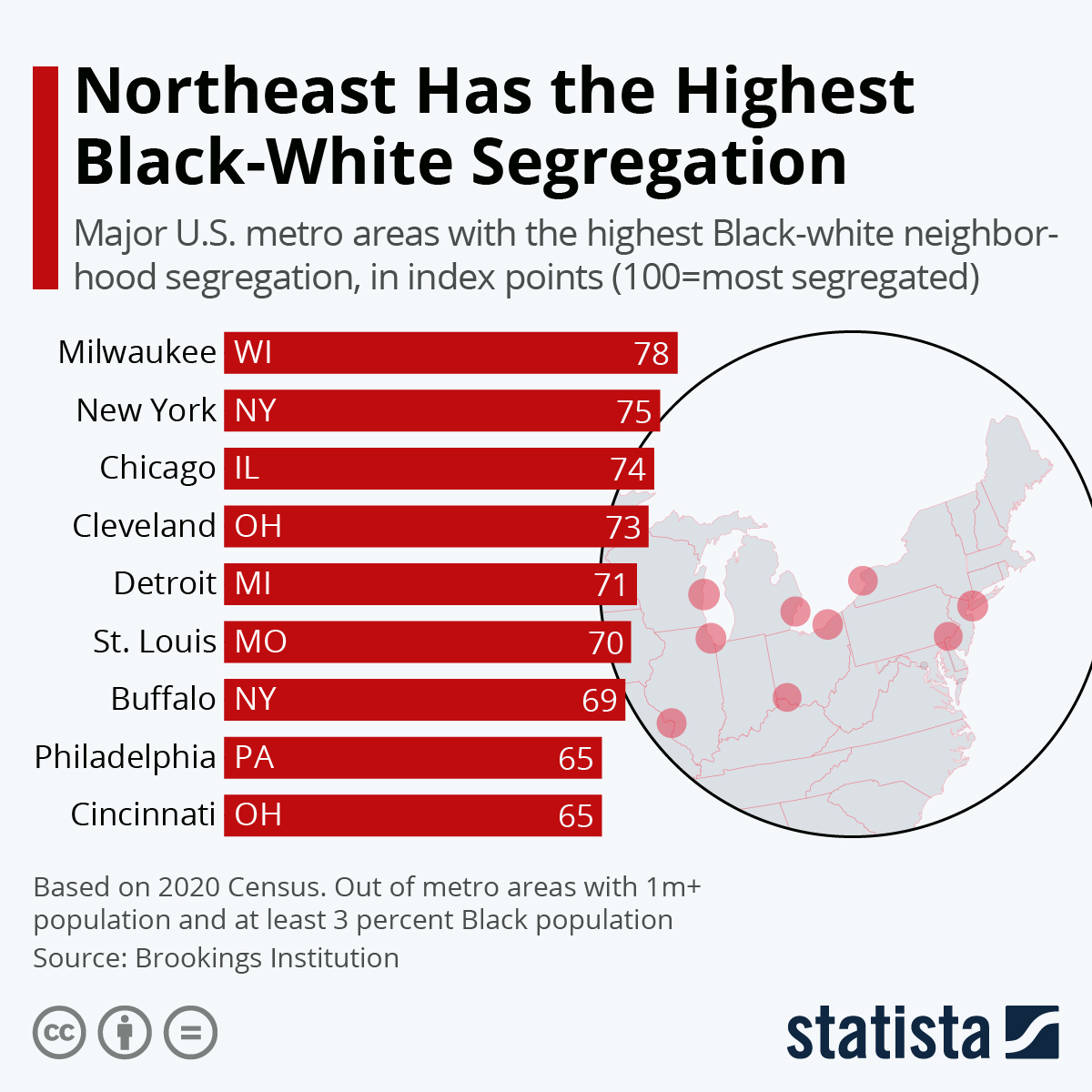
    Even today, many American cities remain deeply segregated along racial lines. Schools often reflect the same residential patterns, meaning that educational opportunities can still be shaped by where families are able… or allowed… to live.

    Click on the link attached to the word “schools” in the paragraph above for more information on this map.

    Understanding this history challenges the comfortable narrative that racism was solely a Southern problem. The structures that created racial inequality in the United States were national in scope, and their effects continue to shape American society today.

    The myth of Northern innocence obscures that reality.

  • Trust, History, and the Controversy Over Leave the World Behind

    Trust, History, and the Controversy Over Leave the World Behind

    A line from the film Leave the World Behind has recently sparked outrage among conservative commentators:

    “I’m sorry, but if the world falls apart, trust should not be given easily to anyone… especially white people.”

    The quote, spoken by the character Ruth Washington (played by Myha’la Herrold), has been interpreted by critics as an example of “anti-white racism” and “woke propaganda.”

    But the reaction misses the larger historical context behind the sentiment.

    The scene itself depicts a tense, pre-apocalyptic situation. A Black family returns to their own home, even though white vacationers are renting it through Airbnb. The white family, especially the matriarch, is immediately distrustful of them. Although the house belongs to the Black family, the white characters initially assume they must be staff or impostors.

    Even when the owner of the house offers to refund half of their money and has the key to a locked drawer, the white matriarch still views them as dangerously and criminally suspicious.

    Anyone familiar with American racial dynamics knows that situations like this are not purely fictional.

    But the deeper issue raised by the quote is not about a single awkward interaction. It raises a broader question:

    What historical reasons do Black Americans have to extend unconditional trust toward white institutions or white society as a whole?

    The history of the United States complicates that question.

    After the Civil War and the passage of the 13th, 14th, and 15th Amendments, the promise of freedom for Black Americans was quickly undermined by a series of legal and social systems designed to recreate racial hierarchy. Black Codes, vagrancy laws, convict leasing, peonage, and sharecropping placed many formerly enslaved people back into conditions that closely resembled slavery.

    When Black political power briefly emerged in parts of the South during Reconstruction, it was violently suppressed through campaigns of racial terrorism carried out by groups like the Ku Klux Klan and the Red Shirts.

    The pattern did not stop there.

    From housing discrimination to segregated schools, from redlining to unequal policing, institutions throughout American history have repeatedly produced outcomes that harmed Black communities. Even today, debates continue over disparities in healthcare, environmental exposure, policing, and incarceration.

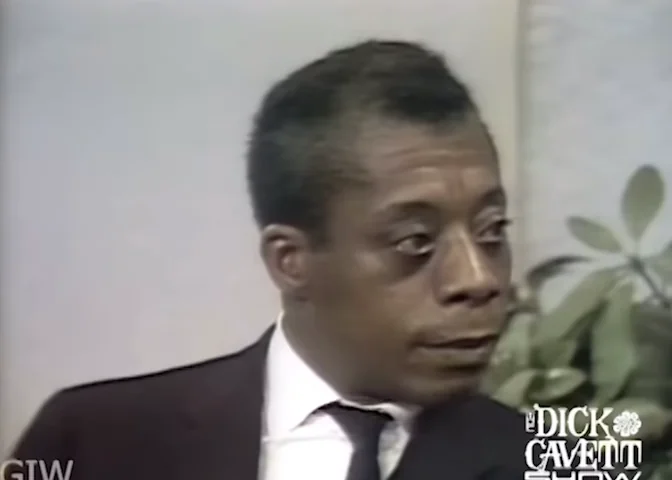
    The writer James Baldwin addressed this exact problem during a debate on The Dick Cavett Show in 1969. Baldwin explained that distrust was not based on abstract hostility toward white people but on lived evidence produced by American institutions.

    He said:

    “I don’t know what most white people in this country feel. But I can only [conclude] what they feel from the state of their institutions.”

    Baldwin’s point was simple but powerful. His point was that people judge a society not by its ideals, but by its outcomes.

    If institutions repeatedly disadvantage a group of people, it is unrealistic to expect that group to respond with automatic trust.

    This helps explain many of the cultural dynamics that outsiders often misunderstand. Black Americans frequently “gatekeep” aspects of their culture, remain skeptical of institutions, and react strongly to racial issues that others see as trivial.

    Those reactions are not random or irrational. They emerge from decades and centuries of historical experience.

    None of this means that every individual white person is malicious or untrustworthy. But collective histories shape collective perceptions.

    If trust is going to grow between communities, it cannot be demanded through outrage over a line in a movie. It has to be earned through meaningful changes in the institutions and behaviors that produced the distrust in the first place.

    History matters.

    And until that history is confronted honestly, lines like the one in Leave the World Behind will continue to resonate with many viewers, even as others find them uncomfortable.

  • What White Supremacy Actually Means

    What White Supremacy Actually Means

    In political debates today, the term “white supremacy” is often treated as if it only refers to extremist groups of people wearing robes, burning crosses, having shaved heads, sporting swastikas, or openly identifying with organizations like the Ku Klux Klan.

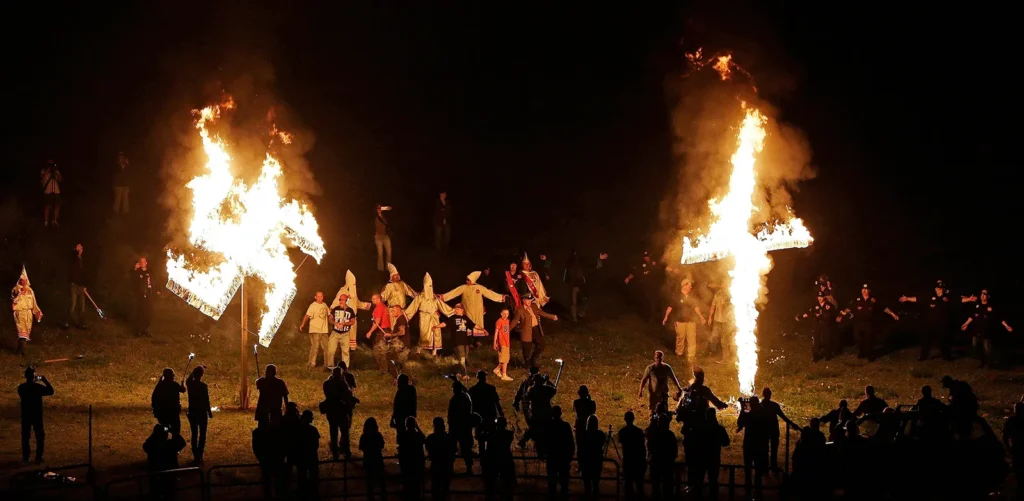
    A cross and a swastika burning at a modern Klan rally.

    But historically and academically, the concept is broader than that.

    White supremacy refers to the belief (explicit or implicit) that white people and white cultural norms represent the highest or most advanced model of civilization and humanity. It is the assumption that whiteness is the standard by which intelligence, morality, competence, and social order should be measured.

    This belief does not always appear in openly violent or in cartoonishly belligerent forms. It often appears in subtler assumptions about who is naturally suited for leadership, who is presumed competent, and who must constantly prove themselves.

    For example, racial explanations are frequently used to explain social outcomes. Certain groups are sometimes associated with crime, others with academic achievement, others with competent leadership, and others with athletic success.

    But when scientists examine many of these assumptions, the explanations often turn out to be social rather than biological.

    A useful example comes from long-distance running.

    For decades, athletes from Kenya and Ethiopia have dominated international distance running competitions, frequently winning Olympic and marathon events. Some Western researchers initially suspected that East Africans might possess unique genetic advantages that gave them superior endurance.

    After extensive study, scientists found no definitive genetic explanation.

    What they did find were social and environmental factors: training culture, altitude conditions, economic incentives, and the perception that success in distance running could provide a path to financial mobility.

    In other words, success was driven less by biology than by opportunity, culture, and motivation.

    The same dynamic appears in many other areas of life. When communities see certain fields as viable paths to advancement and upward socioeconomic mobility, they invest time, energy, and cultural value into those pursuits. This is true whether these pursuits are sports, academics, entertainment, or various professions (think of Irish immigrants of the 19th century and their attraction towards first responder professions).

    When people attribute success or failure primarily to race, they overlook these structural and social factors.

    That is where racial ideology begins to appear.

    If someone believes that race alone determines intelligence, morality, or ability, they are embracing a worldview that closely resembles classical racist thinking. The assumption that certain groups are naturally superior or inferior has historically been used to justify exclusion, discrimination, and unequal opportunity.

    Understanding these ideas requires moving beyond stereotypes and examining how beliefs about race shape expectations and institutions.

    White supremacy, in this broader sense, is not only about extremist organizations.

    It is about the belief that human potential can be ranked according to race, and that some groups are naturally meant to lead while others must struggle to be accepted.

    History and science consistently show that reality is far more complex than that.

  • Political Realignment and the Persistence of Racial Tension

    Political Realignment and the Persistence of Racial Tension

    One of the most uncomfortable facts in American political history is that the party alignments of the Jim Crow era no longer resemble the political landscape we see today.

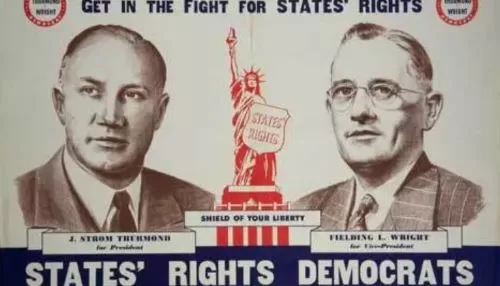
    During the late nineteenth and early twentieth centuries, most white voters in the South identified with the Democratic Party. The Democratic Party of that era included the segregationist political leadership that dominated Southern politics during the Jim Crow period.

    That began to change in the mid-twentieth century.

    After the passage of the Civil Rights Act of 1964, the Voting Rights Act of 1965, and the Fair Housing Act of 1968 (landmark laws supported and signed by Democratic leadership), the political map of the United States gradually shifted. Over the following decades, many white Southern voters moved toward the Republican Party, while Black voters overwhelmingly aligned with the Democratic Party.

    This shift did not happen overnight, but the trend is well documented in voting patterns from the late 1960s onward.

    Today, white voters, particularly white voters without college degrees and many white voters in the South, tend to support Republican candidates by significant margins. Meanwhile, Black voters remain one of the most consistently Democratic voting blocs in American politics.

    These voting patterns are measurable realities, even if they make people uncomfortable.

    At the same time, discussions about race in the United States often provoke strong reactions. Many Americans reject the idea that racial attitudes still influence political behavior. Others argue that the issue is not simply politics, but broader patterns of social separation.

    Sociologists have long observed that Americans often feel more comfortable within communities that resemble themselves culturally or demographically. Neighborhood patterns, school demographics, and social networks frequently reflect those tendencies.

    The result is a society that remains more segregated in practice than many people are willing to acknowledge.

    When people point out these patterns, the conversation often becomes heated. Accusations of racism are exchanged, defensiveness rises, and productive discussion becomes difficult.

    But acknowledging uncomfortable realities does not make those realities disappear.

    If Americans want to have honest conversations about race, politics, and social trust, then those conversations must be grounded in evidence rather than denial. Voting patterns, historical developments, and lived experiences all contribute to understanding the country we live in today.

    Ignoring those realities may feel easier in the moment, but it does little to address the underlying tensions that continue to shape American political life.