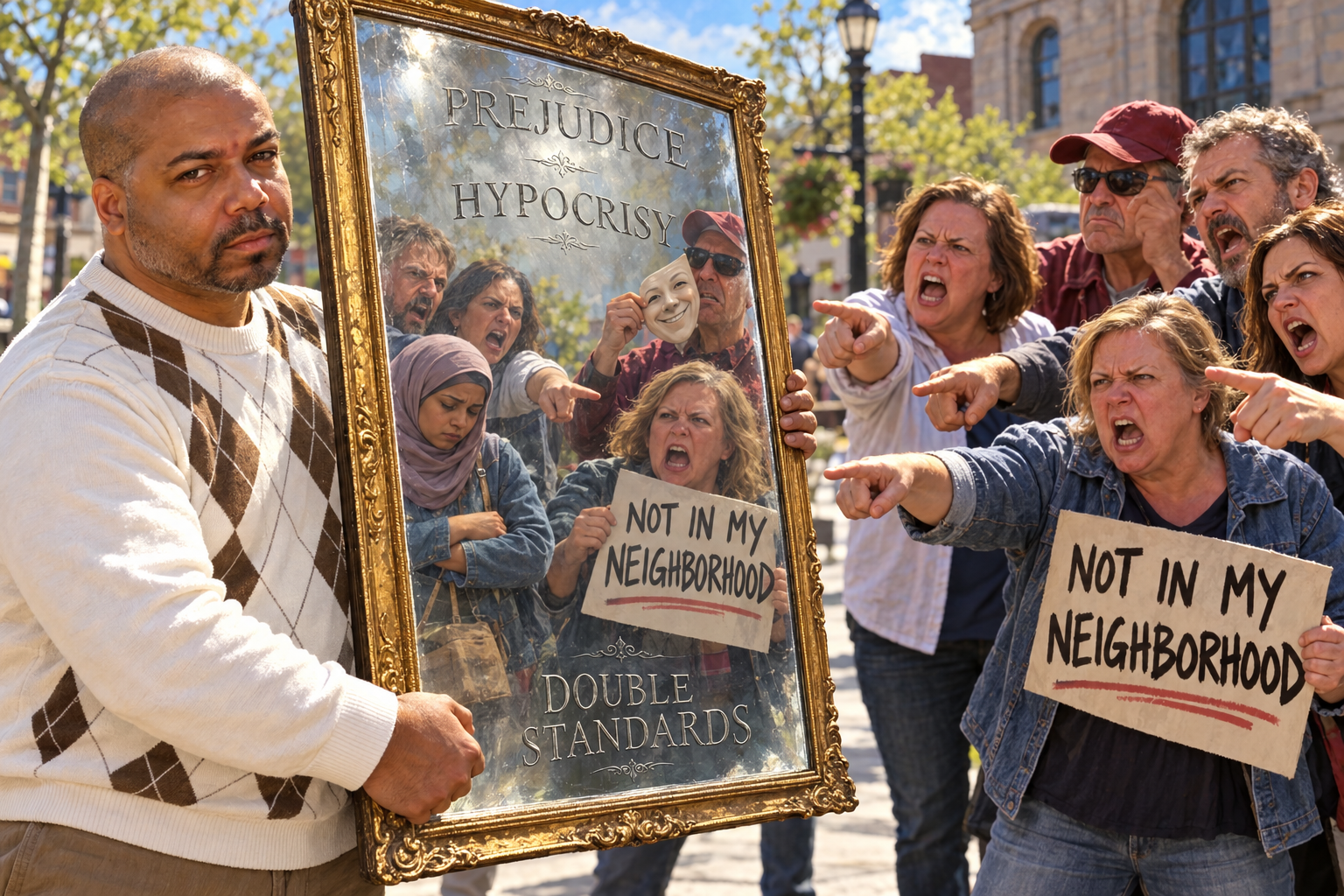
One of my missions in life is to hold a proverbial mirror up to society.
Sometimes people don’t like what I post because they don’t like what they see reflected in it. They recognize an attitude, an assumption, or a behavior they would rather not examine. Suddenly, the problem is the person holding the mirror. The problem is me.
Does that mean I am always right? No.
Does it mean I am perfect? Absolutely not.
I get criticized in my own posts. I also routinely call myself out on my own shit. That part sometimes gets missed by people who are too offended to notice that the criticism includes me.
I live in this society too. I have absorbed its prejudices, made mistakes, and had to confront things about myself that I did not like. And I am still doing that work.
But admitting that a problem exists is the first step toward doing something about it. We cannot fix what we refuse to acknowledge.
And I want something better. For myself. For my children. For the people whose lives are shaped by conditions they did not create and cannot simply wish away.
I want that “more perfect union” we keep talking about. I also want a better world beyond it.
You do not have to like the way I make my points. I know I can be blunt, sarcastic, angry, and confrontational. Sometimes I turn people’s own venom back toward them so they can hear how ugly it sounds when they are on the receiving end.
That approach can land. It can also miss. I am responsible for that. I am responsible for the “strays” caught by individuals and groups who didn’t do anything to me.
But I am tired of watching people show more concern about the tone of a response than the cruelty that provoked it.
They can demean marginalized people all day. The moment someone responds with anger, suddenly we need a discussion about civility.
Where was that concern before somebody answered back?
When I defend Black people, some accuse me of racism. But loving my people and refusing to let them become everybody’s punching bag does not establish hatred of anyone else.
Neither does questioning criticism that has been selectively aimed at us.
A criticism can contain a legitimate concern and still be used to advance a racist agenda. If someone cares about a problem only when it gives them a reason to demean Black people, I am going to question their motives.
That is especially true when they show no interest in solutions.
I also want to be precise about power. There is a difference between an individual’s prejudice and the power of institutions to turn racial prejudice into unequal treatment, exclusion, and deprivation.
That distinction is important. It does not mean my words are incapable of causing harm or that being Black makes everything I say acceptable. It means we should stop pretending that every expression of anger carries the same history, authority, or consequences.
I am responsible for my words. I am also entitled to challenge the systems and narratives that harm my people.
And I am not advocating physical harm against anyone. My goal is to eradicate racism, not give it another direction to travel.
That requires understanding racism beyond its most theatrical forms.
It is not limited to robes and hoods, shouted slurs, or segregated lunch counters. It also includes beliefs about whose intelligence, character, culture, and humanity deserve respect. It includes policies and institutional practices that maintain racial advantages and disadvantages.
A person does not have to announce that they hate Black people to support arrangements that keep Black people disadvantaged.
And a policy does not become harmless simply because the people defending it avoid racist language.
That is why I keep pointing these things out. Recognition should lead to examination. Examination should lead to action.
Take the constant fixation on violence in Black communities.
Black people living in those communities have every reason to care. We lose loved ones. We fear for our children. We want safe streets, and we want the people harming our neighbors held accountable.
But if someone claims to care about that violence, I expect them to care about the conditions surrounding it too.
Trauma. Poverty. Limited opportunities. Inadequate schools. Discrimination. Access to healthcare and mental-health support. The pressures that teach some young men to treat domination, retaliation, and performative toughness as the only ways to establish respect.
These conditions do not excuse a person who hurts someone else. They do matter if we intend to prevent the next person from doing it.
Calling the problem “Black culture” does not explain why it happens. Blaming DNA is racist nonsense. Reducing everything to bad parenting lets the rest of society wash its hands of conditions that families are struggling within.
Parents have responsibilities. Individuals have responsibilities. Institutions and governments have responsibilities too.
I am tired of arguments that recognize only the first two.
We should also examine struggling White communities affected by lost industries, declining opportunity, and neglect. Their suffering deserves attention, and comparing experiences could help us understand what people need.
Instead, some commentators use poor Black neighborhoods as a punching bag while offering very little to poor White people beyond somebody to resent.
How does that help either community?
If you care about people being safe, healthy, and able to build a life, then help address the conditions standing in their way. Stop using one group’s pain to distract another group from its own.
And stop acting as though racism disappeared when the Civil Rights Act passed.
A change in law can be a major victory without erasing the beliefs, habits, and power arrangements that made the law necessary. Those things do not vanish because open discrimination becomes less socially acceptable.
Nor did Barack Obama create racial division by acknowledging the realities facing Black people. Naming a problem is not the same as causing it.
The anger directed at those acknowledgments tells us something about what people expect Black public figures to leave unsaid.
That is part of what I want the mirror to show.
I want us to examine the difference between opposing racism in principle and resisting every uncomfortable conversation about how it operates. Between saying we care about a community and using its problems to humiliate it. Between demanding accountability from individuals and refusing accountability for institutions.
I am willing to have that examination include me.
But I am not going to stop holding up the mirror simply because the reflection pisses somebody off.
I have shared videos of Ku Klux Klan members and other racists explaining what they believe on my Facebook page. What interests me is how familiar some of those beliefs sound once you look past the robes, the slurs, and the willingness to say the quiet part out loud.
The KKK does not represent every American. Nor should one town, one interview, or one group stand in for the whole country.
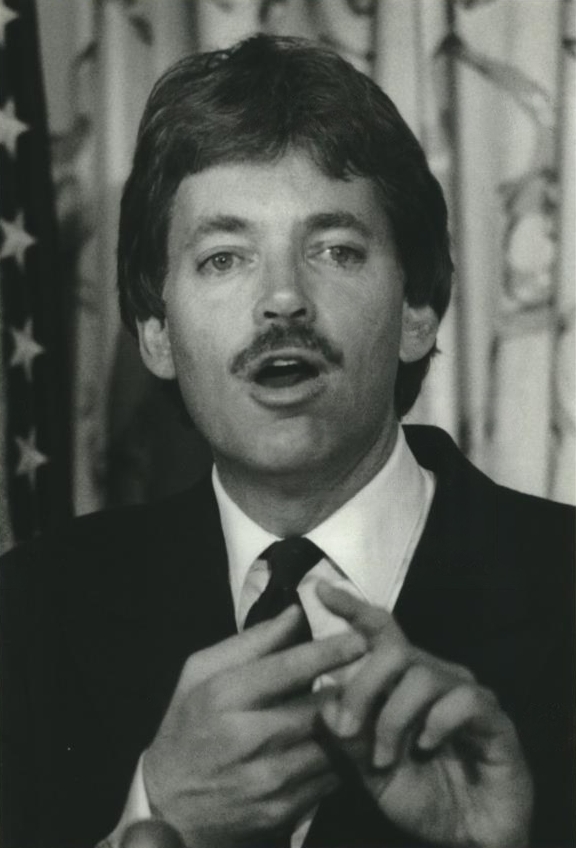
David Duke wanted to make the KKK more acceptable to theAmerican public by presenting a more polished and white collar image of the group.
But that does not mean the ideas expressed in those videos exist only among people who openly identify as racists.
The belief that Black people are inherently less capable, less civilized, more dangerous, or less deserving can appear in different forms and degrees. Someone can reject the Klan and still accept assumptions that have a great deal in common with its worldview.
That is what I want people to examine.
For generations, racism helped justify conquest, enslavement, colonial exploitation, and exclusion. People dressed those justifications up as science, religion, common sense, and concern for civilization.
The cruelty came with an explanation. The explanation made the cruelty easier to defend.
We still need to pay attention to that process.
Racism can become so familiar that people stop recognizing it unless it appears in its most extreme form. They know a hood and a burning cross when they see them. They know an explicit slur when they hear one.
But a polished commentator making insinuations about Black intelligence, criminality, or belonging? Suddenly, we are supposed to consider whether that person is simply a misunderstood truth-teller.
Apparently, racism becomes harder to recognize when the speaker has a studio, a suit, and a respectable vocabulary.
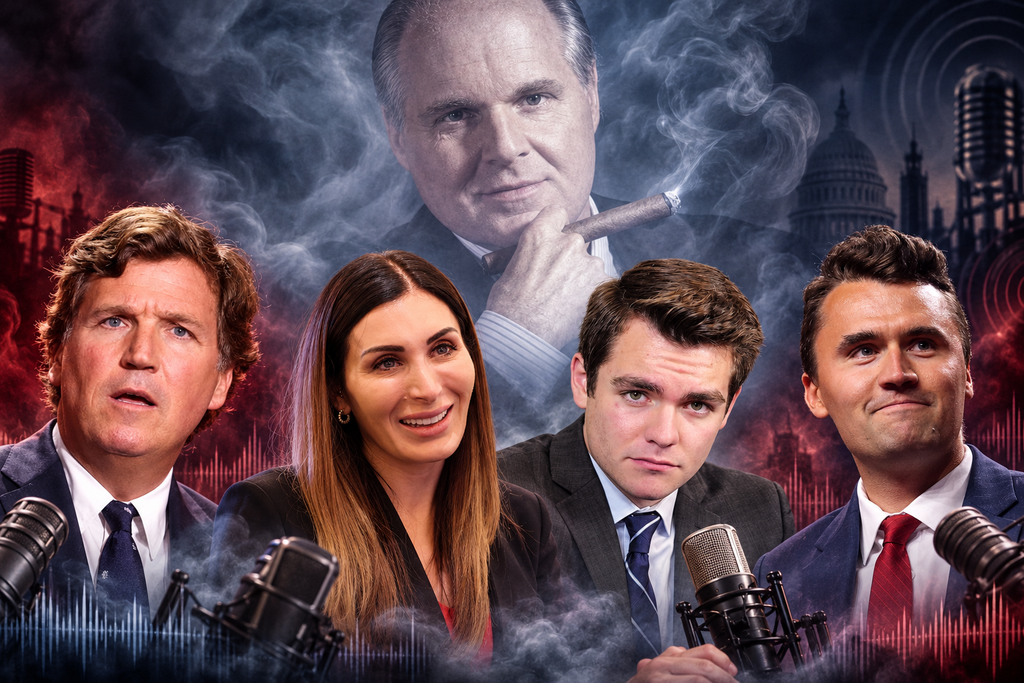
Nick Fuentes is literally a self-professed Nazi (or Nazi sympathizer) who can get away with much of what he says, and was invited to Donald Trump’s mansion for dinner because he isn’t seen in the uniform of White supremacy.
I am tired of the idea that avoiding the N-word automatically makes an argument free of racism.
What is the argument asking us to believe? How is the evidence being used? What context has been left out? Is a problem being examined, or is an entire people being assigned a negative character?
Those questions matter more than whether the speaker remembered to avoid a slur.
Statistics deserve scrutiny too. A number can be accurate while the story built around it is misleading. Selective comparisons, missing context, and sweeping conclusions can turn data into a tool for reinforcing prejudice.
If someone uses a statistic to suggest that Black people are inherently defective, the presence of a number does not make that suggestion objective.
A spreadsheet does not wash racism out of an argument.
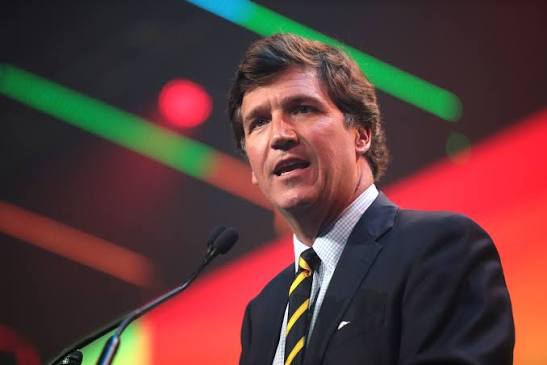
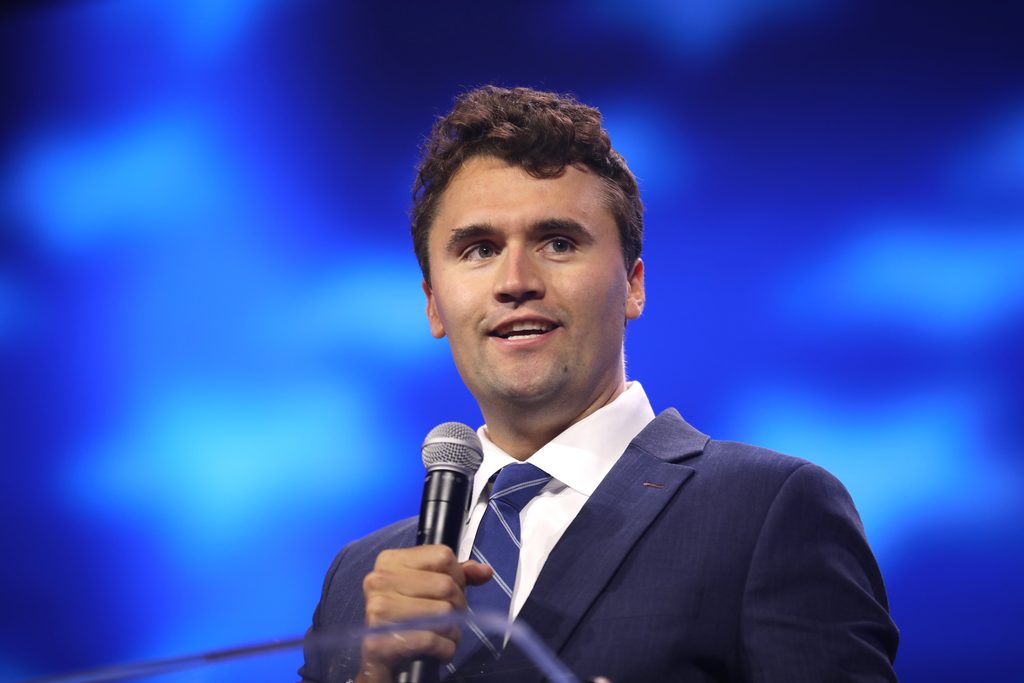
Charlie Kirk’s “truth” was nothing more than racism using cherry-picked and out-of-context statistics. These are often quoted on his podcast and while debating undergrad students on college campuses.
One of the things I wanted people to notice in those videos was the date.
When were these people saying these things? When were the incidents happening? How long after the major civil-rights victories were communities still facing intimidation, exclusion, and openly racist hostility?
Too many people talk as though the Civil Rights Act of 1964 and the Voting Rights Act of 1965 closed the book on racism.
Those laws were extremely important. But passing a law did not instantly change everyone’s beliefs, dismantle every discriminatory practice, or erase the advantages accumulated under the old arrangements.
Some attitudes changed. Some people changed. Others learned to conceal what they believed or express it in language that gave them plausible deniability.
We should recognize progress without pretending that it finished the job.
That is also why I keep returning to the contrast between how Barack Obama and Donald Trump have been judged.
I am not arguing that every criticism of Obama was racist. I criticized him myself. His policies and decisions deserve examination like those of any other president.
But I watched people demand that he be endlessly calm, polished, articulate, restrained, and reassuring—and still treat him as illegitimate, threatening, or fundamentally out of place.
He could meet their stated standards and still fail the test.
Then I watched some of those same people celebrate Trump’s belligerence, insults, and disregard for restraint as signs of strength.
Conduct they would have treated as disqualifying in Obama became proof that Trump was authentic and willing to fight.
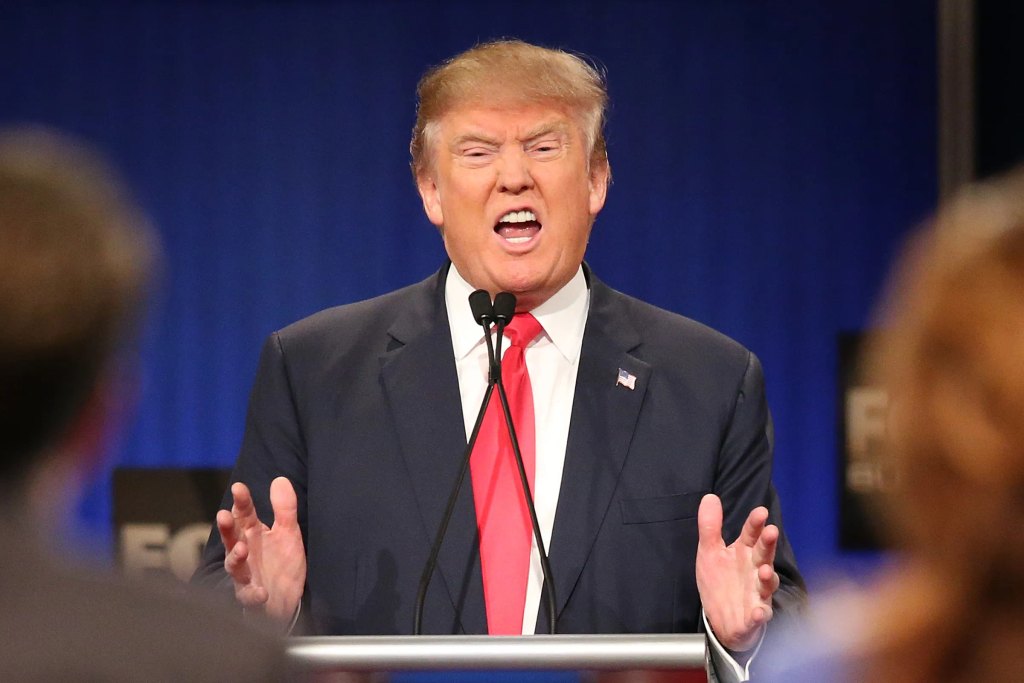
Donald Trump can get away with egregious behavior that Obama is not able to get away with. Obama had to mostly remain stoic during his presidency, while Trump can be angry and belligerent.
What changed—the standard, or the person being judged?
That question deserves more than a reflexive accusation that I am “making everything about race.”
I do not need to claim that every measure of the country’s condition was better under Obama to make this point. Presidents should be judged on evidence, and different outcomes require different comparisons.
My concern here is the permission some people grant one leader while demanding constant reassurance from another.
If restraint is essential to presidential character, it should matter when Trump lacks it. If inflammatory rhetoric is dangerous, it should not become admirable simply because the speaker is someone you support.
And if intelligence, preparation, and dignity are the standards, meeting them should count regardless of the president’s race.
Too often, that consistency disappears.
This is why the openly racist videos matter to me. They make certain assumptions easier to hear. Once we recognize those assumptions in their bluntest form, we should be willing to examine where else they appear.
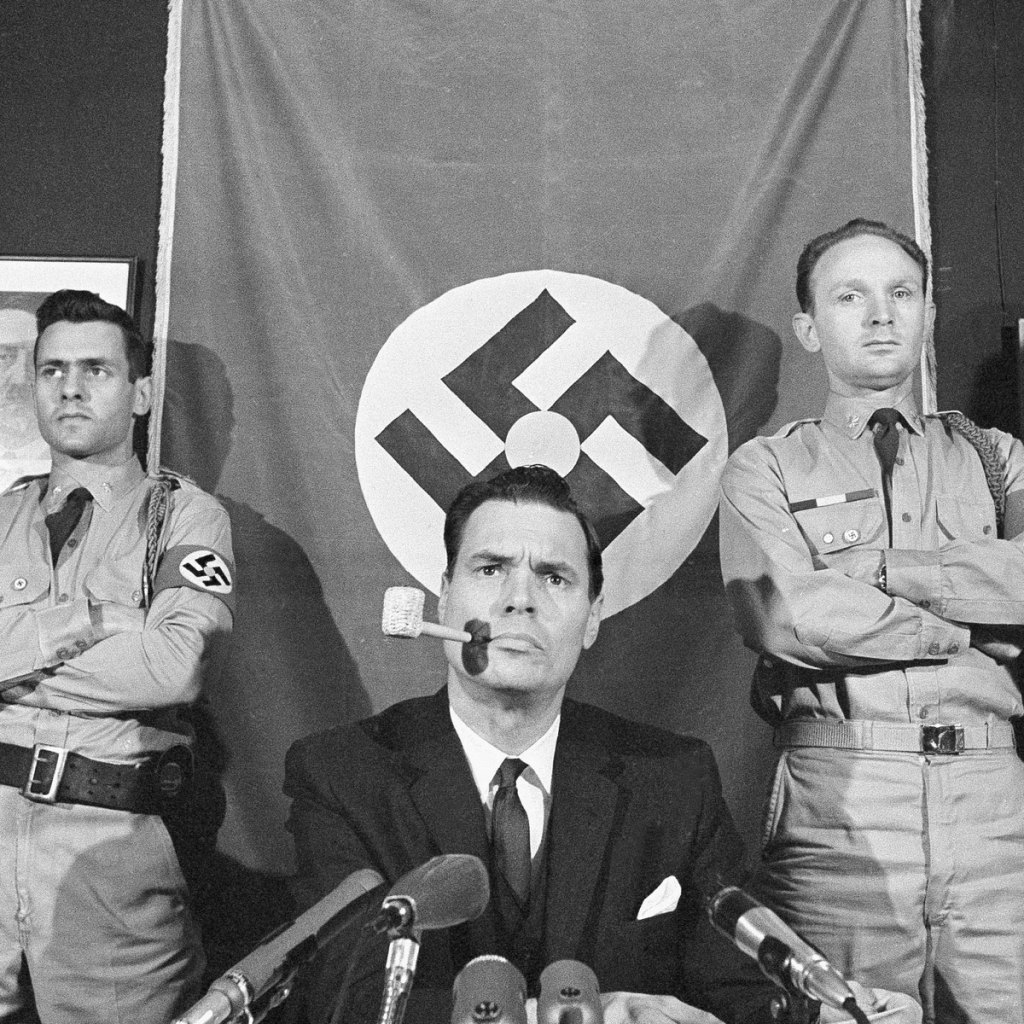
George Lincoln Rockwell was the founder of the American Nazi Party (ANP). He was a very articulate man who attended an Ivy League University (Brown University). Often, he would dress in Nazi uniforms but he would often dress in a suit and speak while smoking his signature pipe. Often, his message wasn’t necessarily antagonistic or violent, but they were exclusionary and racist.
The delivery may be smoother. The speaker may deny any prejudice. The audience may insist that it is all about policy, statistics, or “telling the truth.”
But we still have to examine the substance.
Racism does not need a hood, a slur, or a confession to operate.
And refusing to recognize it until someone supplies all three gives far too many people permission to keep doing it.
I have absolutely no respect for people who spread the racist and transphobic conspiracy theory that Michelle Obama was born male.
None.
This lie has been debunked repeatedly, yet people keep recycling it as though repetition will turn it into evidence. Michelle Obama was born Michelle LaVaughn Robinson. There is no credible evidence for the claim that she was born “Michael” or assigned male at birth.
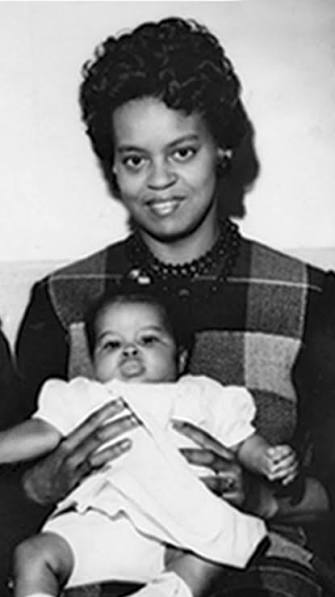
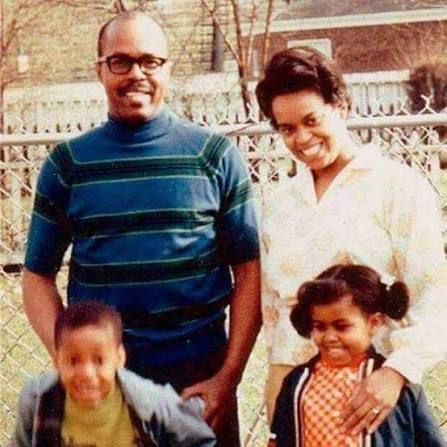
A picture of Michelle Obama as a baby.
But this is about more than one lie about one woman.
It is about the willingness to treat Black women’s bodies, voices, and appearance as public property. Apparently, anyone with an internet connection gets to inspect them and decide whether they qualify as women.
And some Black men participate in this bullshit when they should know better.
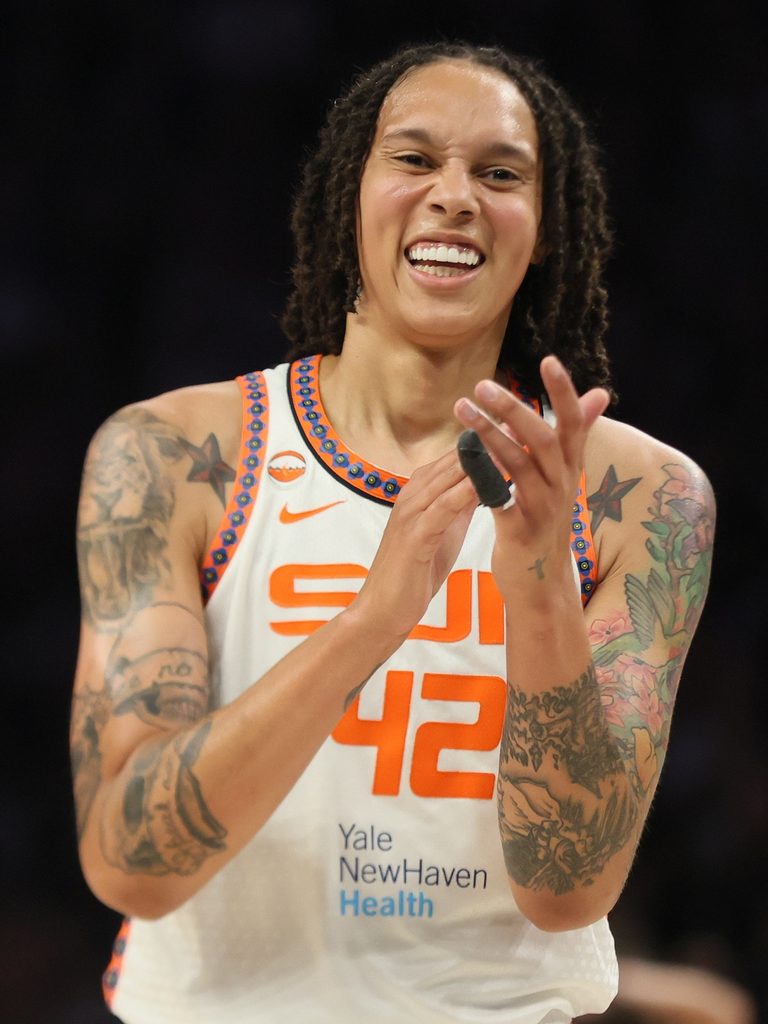
There are few better examples of Black women’s sex and gender being questioned than Brittney Griner. Griner is the subject of some very ugly conspiracy theories and assumptions. Griner is tall, has a deep voice, has no pronounced breasts, and doesn’t conform to traditional gender roles. And all of those things are ok and don’t take away from her womanhood.
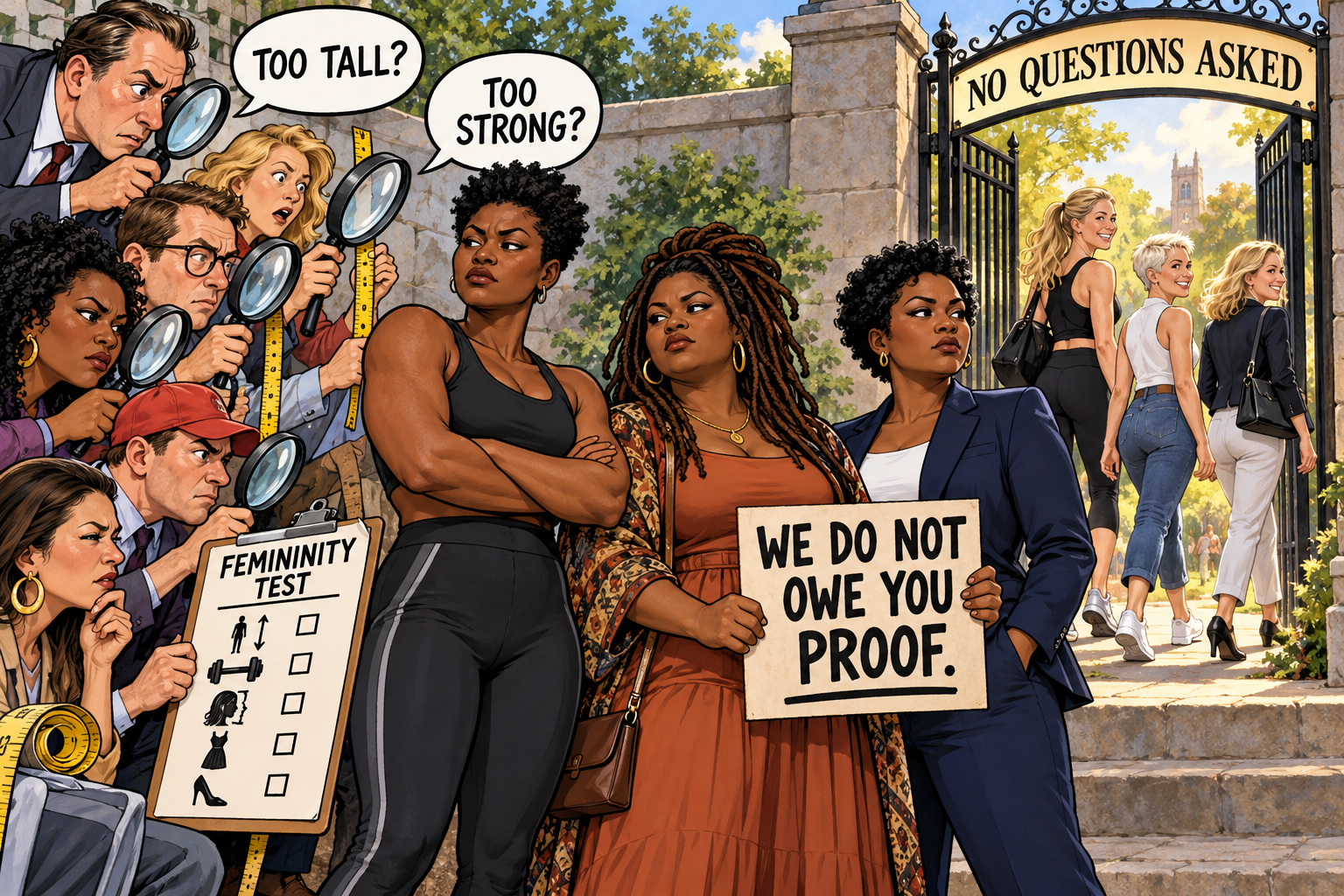
Black women get called “masculine” for being tall, strong, outspoken, athletic, angry, or unwilling to make themselves small. A deeper voice becomes suspicious. Short hair becomes suspicious. Muscles become suspicious.
Even confidence becomes suspicious.
Women of other races can possess those same characteristics, but Black women are too often treated as though they have violated some rule of womanhood by possessing them.
Who made that rule? And why are we helping enforce it?
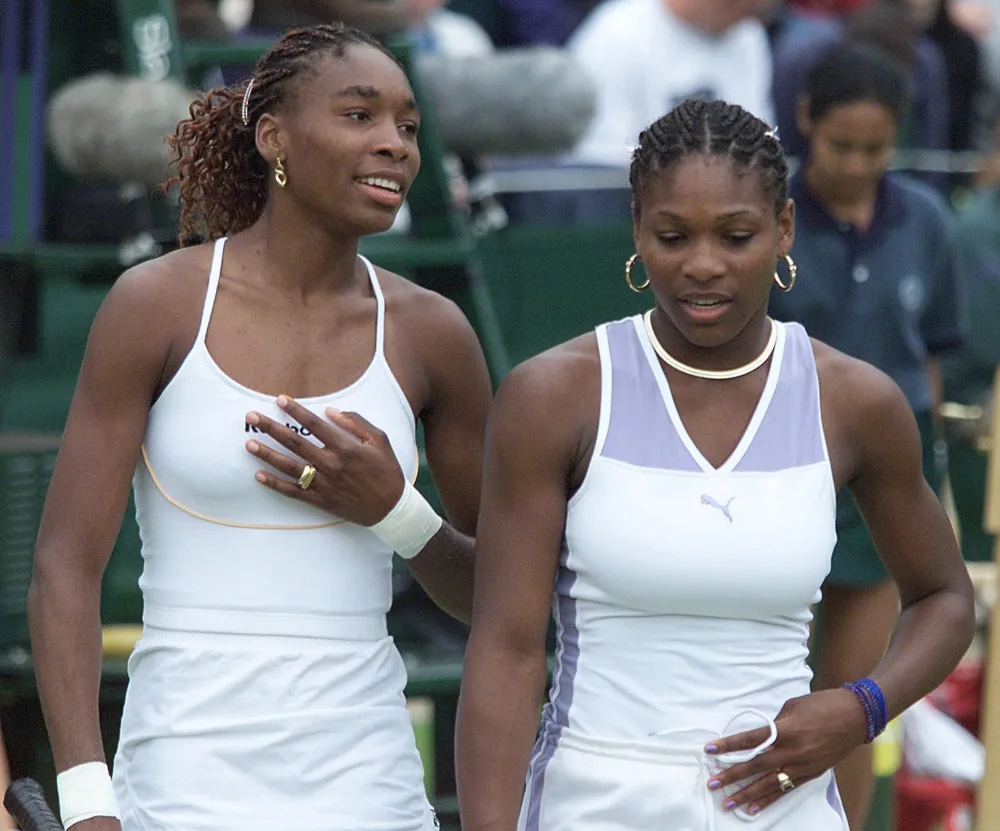
Venus and Serena Williams were attacked for their appearance, their athleticism, and their muscular build.
Think about the scrutiny directed at Venus and Serena Williams. Think about Brittney Griner and Grace Jones. Think about how quickly people turn a Black woman’s strength, stature, or appearance into an accusation.
The details of each woman’s experience differ. But the impulse to inspect, mock, and police Black women’s bodies is familiar as hell.
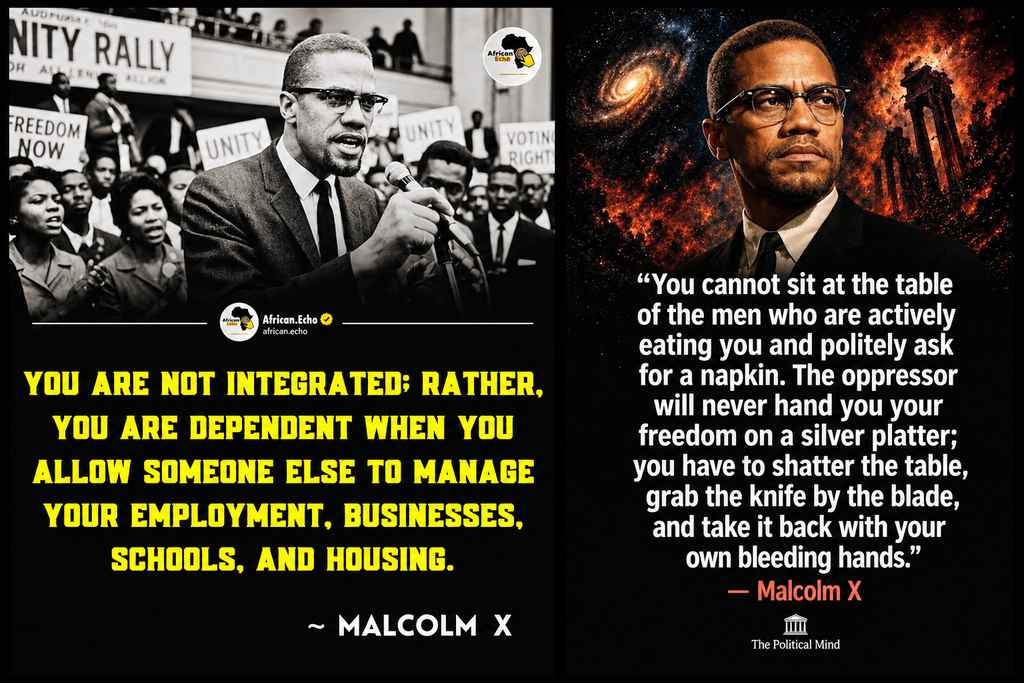
I hear echoes of Malcolm X’s criticism of the disrespect and lack of protection Black women face. Decades later, we are still watching people turn that disrespect into entertainment.
And the supposed defense of Michelle Obama sometimes falls into the same trap.
People point to her children, her marriage, her clothes, or how feminine she looks, as though the right combination of evidence will finally satisfy the people attacking her.
We should challenge the lie. But we should also challenge the premise.
A woman does not have to give birth, wear dresses, have a particular body shape, or meet somebody’s beauty standard to deserve respect.
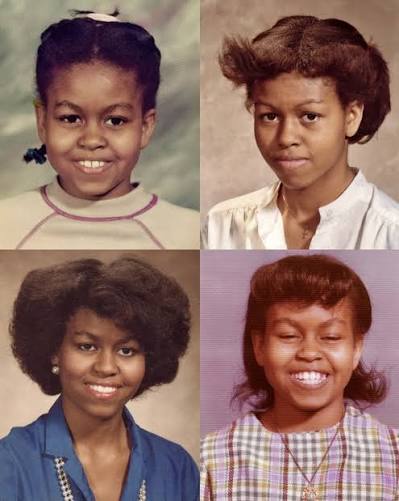
Picture of Michelle Obama throughout her young years.
Michelle Obama does not need an exception made for her height or her facial features. There is nothing about those things that needs explaining away.
Nor should defending her require treating transgender women as an insult she must be separated from. The conspiracy is false, and its use of trans identity as a weapon is part of what makes it ugly.
Being transgender is not a disgrace. Lying about someone’s identity to humiliate them is disgraceful.
The people spreading this story often try to demean Barack Obama at the same time. In their telling, supposedly exposing his wife would somehow diminish his manhood.
That tells us something about the prejudices doing the work here. Black womanhood becomes something to ridicule. Black manhood becomes something to undermine. Transgender identity becomes something to sneer at.
And the whole thing gets passed around as a joke.
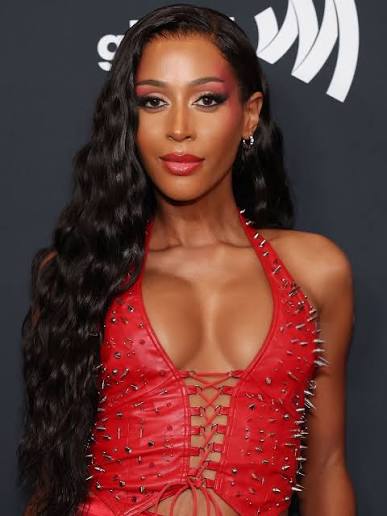
Isis King is a trans woman who is an actress and a model. One doesn’t have to be born anatomically female to be feminine.
What, exactly, is funny?
The contempt for Black women? The attempt to humiliate a Black family? The idea that somebody’s gender can be determined by studying a photograph and making shit up?
I do not find any of that clever.
You do not have to like Michelle Obama. You do not have to agree with her politics, admire her speeches, buy her books, or defend her husband’s administration.
There are legitimate things to discuss and criticize.
But disagreement does not entitle you to invent a different identity for her or subject her body to some imaginary gender inspection.
And being Black does not make participation in that harassment less anti-Black.
If you are a Black man spreading this lie, ask yourself why you are so eager to help people degrade a Black woman. Ask yourself whose approval you are seeking and what, exactly, you think our community gains from your participation.
The same goes for Black women who join in. Familiarity with this kind of scrutiny should give us more reason to reject it.
Michelle Obama as a child with her brother and her parents.
I am not going to insult somebody’s mother, grandmother, or partner to make that point. Those women do not deserve to have their appearance dragged into this either.
That is the whole damn problem: too many people think a woman’s appearance is fair game whenever they want to win an argument.
It needs to stop.
Black women do not owe you a particular kind of femininity. They do not owe you access to their private lives. And they do not owe you proof that they are women.
Criticize what Michelle Obama actually says and does if you have an argument to make.
But stop spreading this racist, transphobic bullshit and pretending it is political commentary.
Let me explain something again for the liberals who keep confusing progressive politics with a cult of personality.
Ahem.
We do not give a fuck about worshipping politicians. We care about what they do.
If Trump delivered humane, progressive policies that materially improved people’s lives, I would acknowledge those accomplishments. That would not require me to excuse everything else about him.
When Biden was president, I wanted him to succeed. I wanted an administration willing to meet the scale of the problems facing us. Give us the ambition associated with FDR’s New Deal or LBJ’s Great Society (without the devastating and unjust war, of course), and I would have plenty to praise.
But wanting a president to succeed does not mean pretending that everything they do is enough.
And voting for someone does not mean surrendering the right to criticize them.
That was true when I wrote the original version of this post. It is still true now.
I am tired of people treating progressive demands as unreasonable while expecting us to accept political responses that fall short of the conditions we are living through.
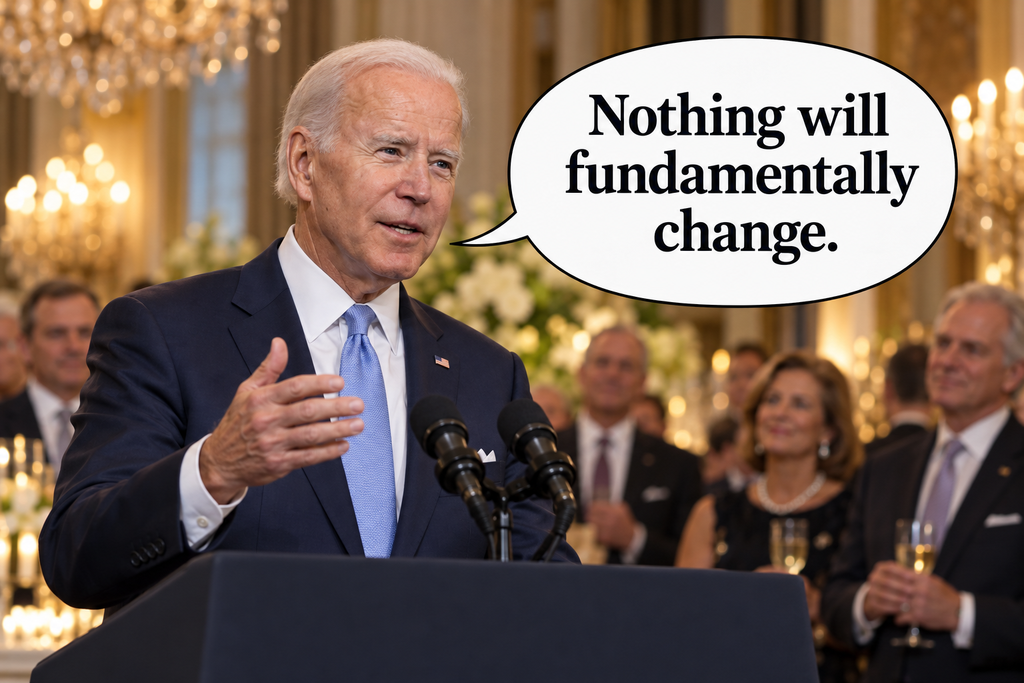
Yes, Biden actually said this to a group of wealthy donors behind closed doors. But he governed surprisingly to the left (even by a little) than anyone who has occupied that position since Jimmy Carter, in my opinion.
People cannot afford housing. They struggle to get healthcare. They work themselves into exhaustion and still cannot establish financial security. Racism continues to shape their opportunities and treatment. Environmental threats keep demanding action.
Then we get told to be patient, lower our expectations, and remember how much worse the other side would be.
We know the other side is worse. What the fuck are you going to do about the problems we elected you to address?
That question should not cause this much damn discomfort.
I am not opposed to every smaller improvement. If a policy helps people today, that matters. What I reject is treating incrementalism as the permanent ceiling on what we can demand.
A partial victory should give us something to build on. It should not become an excuse to declare the work finished or tell the people who are still struggling that they are asking for too much.
Too often, “be realistic” means accepting that the people with power will remain comfortable while everyone else adjusts to insecurity.
I do not accept that as a political goal.
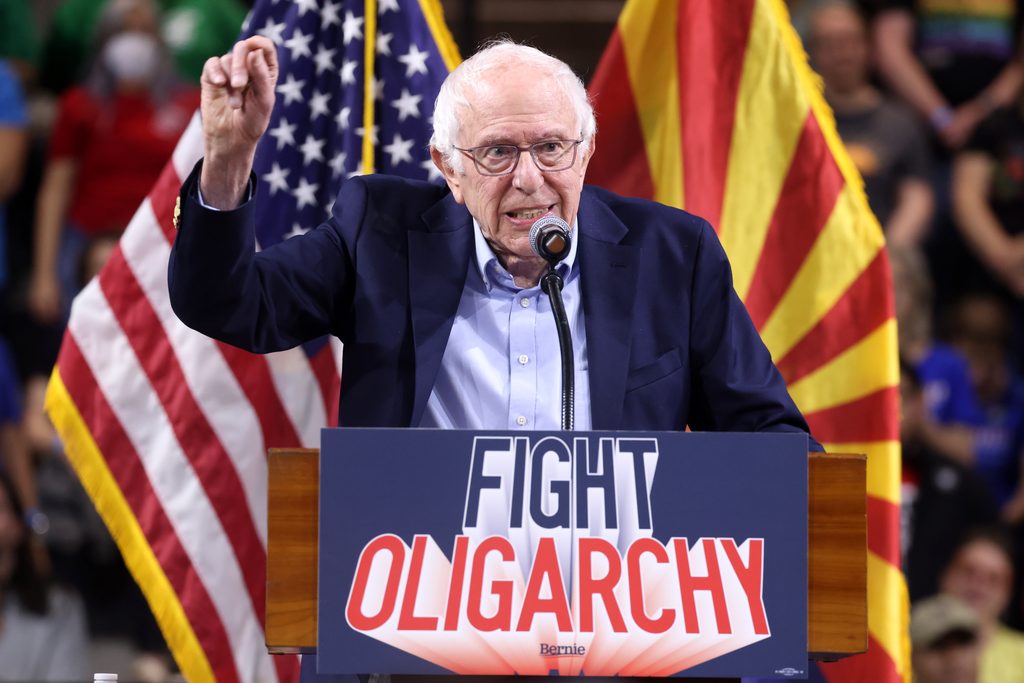
And no, Bernie Sanders is not a messiah.
He became important to many of us because he gave national attention to policies and grievances that other politicians dismissed. He spoke about healthcare, wages, education, corporate power, and the lives of people who felt unseen.
That is why we supported him. His appeal came from what he advocated and what he appeared willing to fight for.
My appeal to Bernie Sanders was solely based on policies that Sanders fights for.
Sanders is fallible. He has disappointed people on the left, including me. When he does, he gets criticized too.
The same should apply to Alexandria Ocasio-Cortez, any other progressive politician, and whoever comes next. Nobody gets to substitute their name or reputation for accountability.
If a politician abandons the commitments that earned our support, we have every right to challenge them. That is political consistency.
I wanted Biden to be a good progressive president. I wanted him to deliver. I wanted the people who voted for him to have something meaningful to show for it.
I also wanted the United States to confront its racism. Wanting that did not require me to pretend we had already achieved it.
The same principle applies to an administration. I can want it to succeed and still refuse to accept inadequate responses to real problems.
People’s lives cannot be managed as though the goal is to keep them just hopeful enough to make it to the next election cycle.
They need relief. They need security. They need power over the conditions shaping their lives.
And they need more than a lecture about how complicated everything is.
I like Alexandria Ocasio-Cortez (AOC). However, she is not above criticism. She needs to be judged on the policies that she fights for and her voting record, not on her looks, her former job, or slander about her intelligence.
Yes, governing is complicated. There are institutional barriers, hostile courts, narrow majorities, and opponents who will obstruct whatever they can. Those things deserve serious consideration. They really do.
But an explanation should help us understand what happened, what was attempted, and what needs to change. It should not shut down every question about whether leadership could have done more.
I hate excuses that make no logical sense. I hate watching people dodge simple questions about matters they are supposed to understand. I hate the double-speak that turns failure into strategy and criticism into disloyalty.
And I cannot stand the dismissive attitude toward corruption, donor influence, and the conflicts between what politicians promise voters and what they protect once they hold office.
Do not tell me I am being unreasonable for noticing those conflicts.
Policies are important. Policies are important. Policies are very important.
And actions are more important, especially when the country is watching how politicians move.
A platform tells me what you claim to support. Your actions tell me what you are willing to pursue, defend, compromise, or abandon.
That is what I am watching and paying the most attention to.
When Biden was president, many of us criticizing him had voted for him in the general election. We understood the choice before us. We made that choice.
But our votes were not promises to remain silent.
We did not agree to applaud every compromise, excuse every disappointment, or defend the administration against the very people whose needs it was supposed to serve.
We voted to put someone in office. Then we expected them to do the work.
That standard survives Biden’s presidency. It applies to the current administration, to Democratic leadership, and to every future candidate asking for our support.
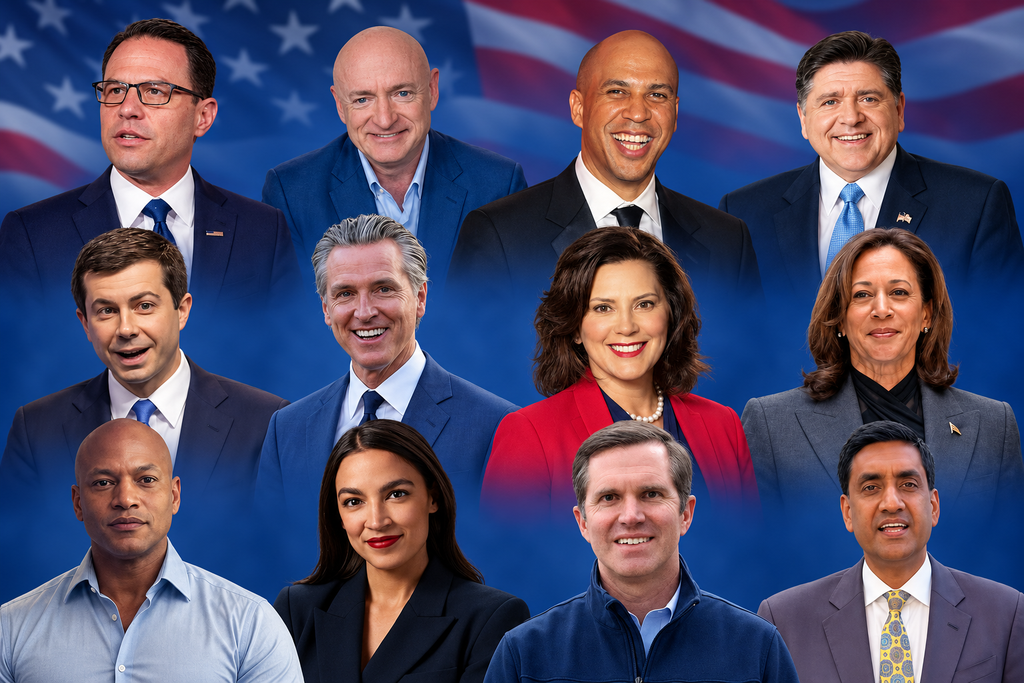
At the time that this was written (well, rewritten) and published in this Blog, all of the people that you see here are speculated to seek the 2028 Democratic Party nomination for president. There are some that I like. There are some that I don’t like. Race doesn’t matter. Looks don’t matter. Name recognition doesn’t matter to me. What matters are the policies that help American people and end wars. Any one of these people could get my vote if they are advocating for things that align with my personal politics and morals.
You are not owed our devotion. You are accountable for what you do with our votes.
We have to keep holding their feet to the fire. Organize. Ask the questions. Make the demands. Recognize the gains, and keep pushing where the work falls short.
Because if we stop demanding accountability, the people in power have every reason to keep giving us less… and expecting us to thank them for it.
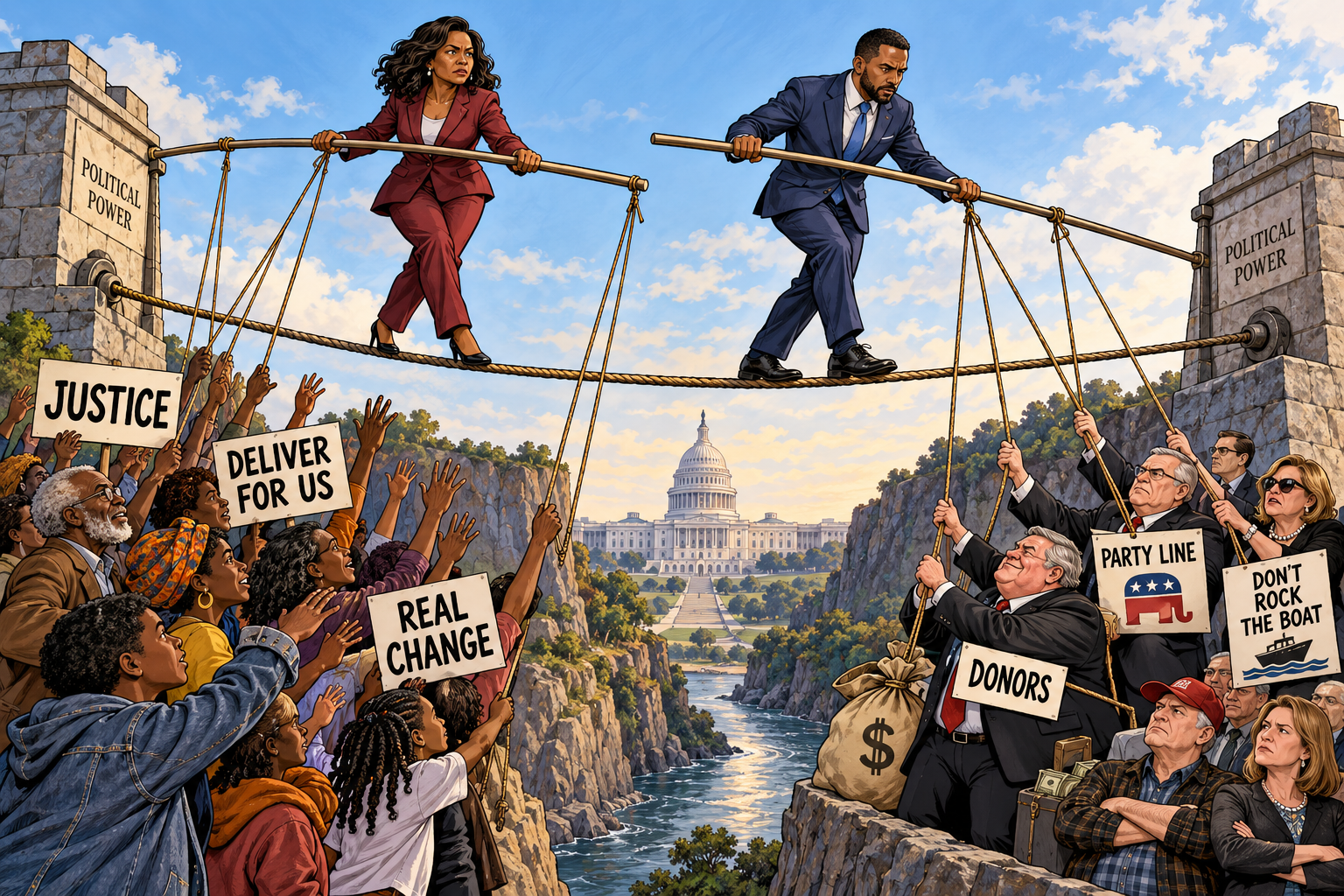
I think many people (Black, White, and those who identify as neither) fail to understand or appreciate the political tightrope Black people in positions of power have to walk.
I include myself in that criticism. Some of the things I have criticized Barack Obama for, or watched Kamala Harris get criticized for, deserve another look when we consider the power structure they were operating within.
Holding office does not mean controlling every lever of power. A “Black face in a high place” does not suddenly erase the influence of wealthy donors, corporate interests, entrenched institutions, or voters who become uncomfortable when Black leadership starts challenging arrangements they benefit from.
Winning a position within a power structure is not the same as gaining the power to remake it.
Many Black people and other minorities want leaders like Obama, Harris, Wes Moore, and Jasmine Crockett to speak and act with the radical commitment we associate with Malcolm X, Kathleen Cleaver, Assata Shakur, or Winnie Mandela.
I understand that desire. I want leaders who will stand up for us too.
But we have to consider what we are asking of people whose authority depends on operating within institutions that can limit, punish, or remove them. An elected official trying to maintain a governing coalition faces different pressures from an organizer whose purpose is to confront that government.
That does not make radical leadership impossible. It does make it costly. And we should be honest about who bears those costs and whether we have built enough collective power to support them.
We cannot demand that someone confront the whole damn structure while assuming their title gives them everything they need to survive the confrontation.
Some White people also expect Black officials to become the moral voice against every injustice. Apparently, being Black is supposed to make someone courageous, politically flawless, and willing to risk their career whenever the rest of us need a champion.
But these people are human. They have strengths, weaknesses, ambitions, fears, and limitations like everyone else.
Their positions also depend, in part, on voters who may praise the idea of justice while rejecting the policies required to achieve it. Some want the reassurance of a Black leader without the discomfort of having that leader challenge them.
They want representation they can celebrate and leadership they do not have to adjust to.
That is a hell of a tightrope.
This does not excuse everything Black politicians say, do, or fail to do. Some choices deserve criticism. Some compromises are unnecessary. Some silences are calculated, and some leaders protect their own careers at the expense of the people who helped put them there.
We should be able to say that.
Believe me, I’ve been criticizing many Black politicians for these things, including Obama, Harris, and others on the national stage.
But we should also distinguish between a failure of commitment and a limitation of power. Before declaring that someone has betrayed us, we ought to ask what they could actually do, what stood in their way, and whether they used the power they did have, not the power we imagined they had.
Those questions make our criticism stronger.
They also help explain why the political freedom available to someone like Trump can look so different from the freedom available to someone like Obama.
In my view, Trump benefits from a level of permission that Black leaders are rarely granted. His belligerence gets celebrated as strength. His disregard for convention gets sold as independence. His supporters can treat conduct they would condemn in a Black politician as proof that he is fighting for them.
Meanwhile, Black officials are expected to demonstrate restraint, reassure skeptical voters, build consensus, and prove, again and again, that they deserve to be where they are.
A policy can have public support, and a Black leader can still face hostility for being the person advancing it. The argument may be presented as a disagreement over policy, but race and power can shape whose authority people are willing to accept.
I have watched that happen too many times to pretend it is incidental.
There are White voters who will tolerate extraordinary conduct from a White leader while treating a Black leader’s challenge to the status quo as a threat. That tells me their attachment to White power can outweigh the principles they claim to defend.
And no, that does not describe every White voter. But it describes a political force Black leaders have to account for, whether the rest of us acknowledge it or not.
My point is that accountability requires us to understand the conditions under which people govern. I am not abandoning my criticism of Obama, Harris, or anyone else. I am asking whether all of that criticism has been fair, informed, and directed at the people who actually held the power to make a different outcome possible.
We need Black leaders willing to push. We also need organized communities capable of backing them when they do.
We cannot keep treating a Black person’s election as the transfer of power to Black people as a whole. Until we build the power to make our demands harder to ignore, our representatives will keep walking that tightrope, and we will keep arguing about whether they should have fallen off it for us.
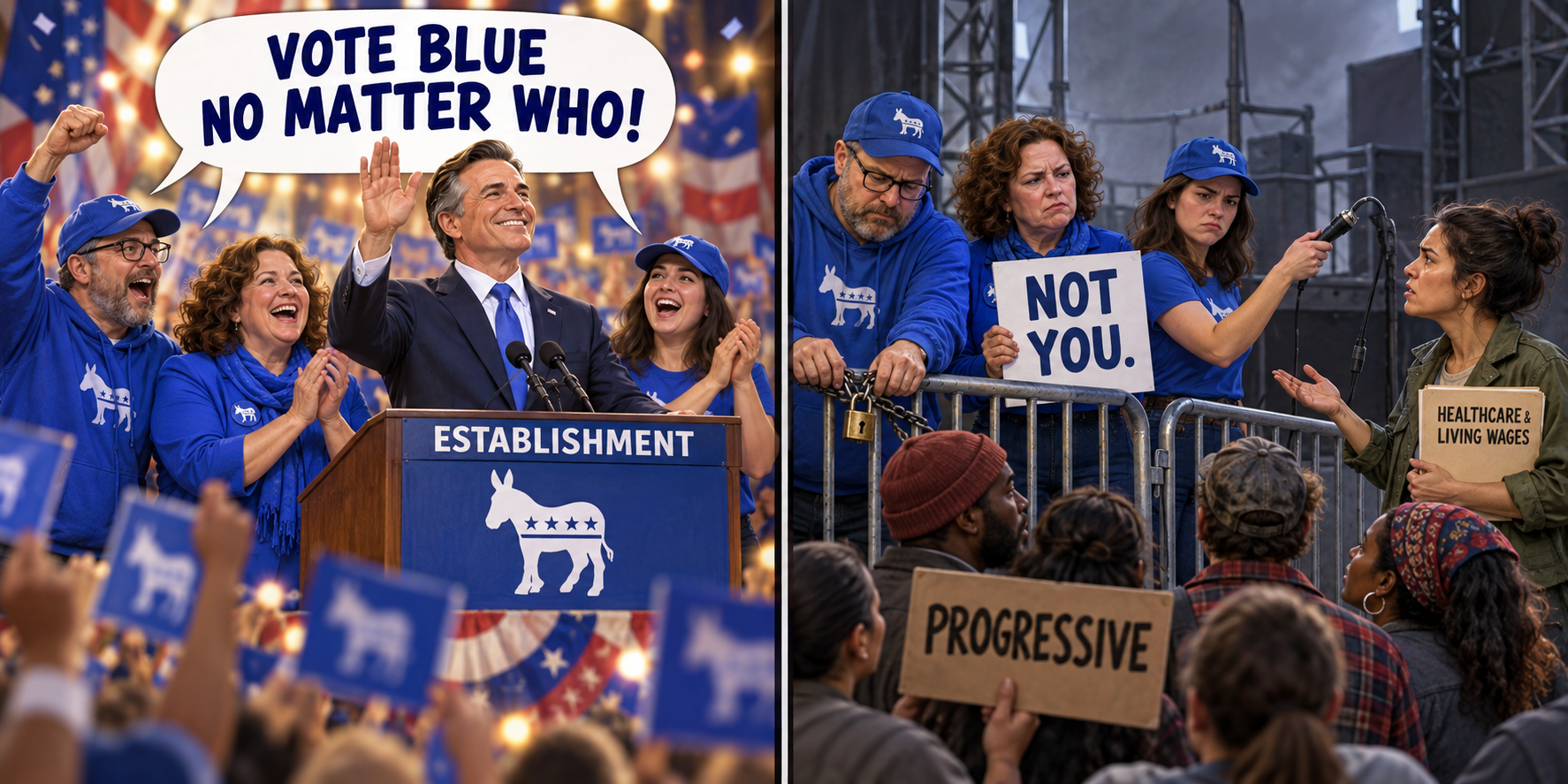
Whenever Democratic loyalists start lecturing the left about “party unity” and “Blue No Matter Who,” I want to ask a simple question:
Does that rule apply when your preferred candidate loses too?
Because I have been paying attention for a long time, and the demand for unity seems to get a lot louder when progressives are expected to fall in line. When the left challenges a favored incumbent, wins a primary, or questions the party’s direction, suddenly there are exceptions.
Then we hear about electability, ideological purity, troublesome supporters, and how the party cannot afford to be associated with those people.
Apparently, the big tent has a very selective admissions policy.
I also remember Clinton invoking her support among “working, hard-working Americans, white Americans” while arguing that Obama’s support was weakening. I found that appeal offensive then, and time has not improved that feeling.
My political memory did not begin with Bernie Sanders, and it did not end when his presidential campaigns did.
That is why I get tired of hearing the left discussed as though we invented bitterness, divisive primaries, or resistance to a nominee. The party has a long history of internal conflict. But certain people’s resistance gets treated as understandable disappointment, while ours becomes a character defect.
And the same attitude is still with us.
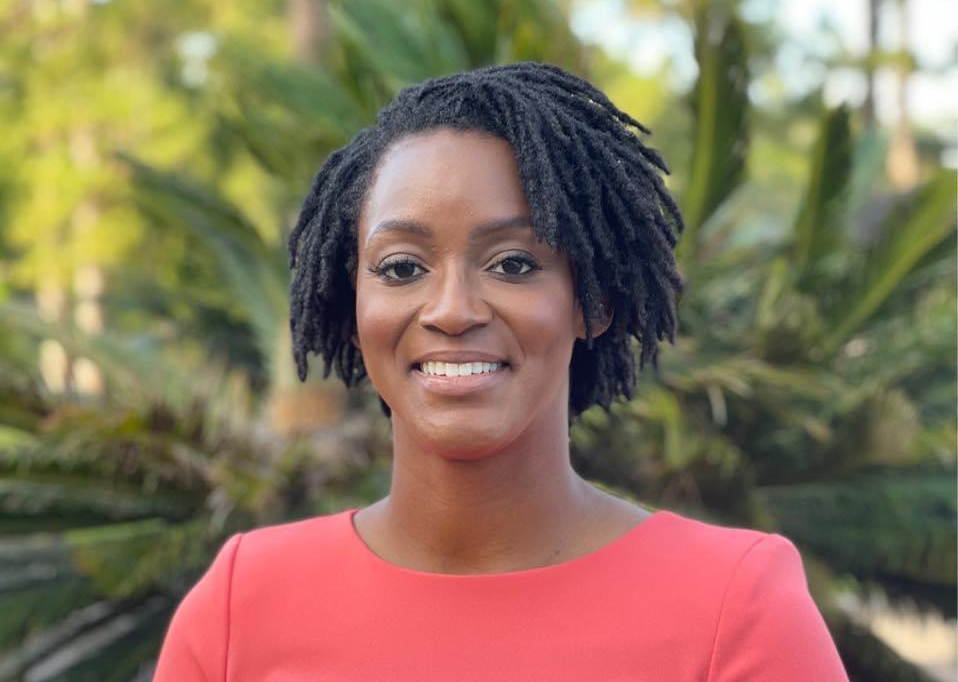
Angie Nixon is a Florida state Representative who won the Democratic Party primary to be the party’s 2026 United States Senate candidate for the state of Florida.
Look at Angie Nixon. She won Florida’s Democratic Senate primary in August, defeating Alex Vindman despite his financial advantage. Whatever someone thinks of her politics, Democratic primary voters chose her.
Nixon subsequently clashed with Florida Democratic chair Nikki Fried over socialism and whether she was receiving sufficient party support.
Reporting this month also described Vindman directing resources toward other Democrats and the state party rather than Nixon herself, while Senate Majority PAC was steering clear of her race.
Now, Florida is a difficult race. Parties have limited resources, and nobody is obligated to pretend every election is equally winnable.
But that explanation deserves scrutiny when “support the nominee” has been preached to the left as a moral obligation.
If progressives are expected to swallow their objections, volunteer, donate, and turn out for candidates they did not want, then they have every right to ask what support looks like when their candidate wins.
You cannot spend years demanding loyalty and then act confused when people expect reciprocity.
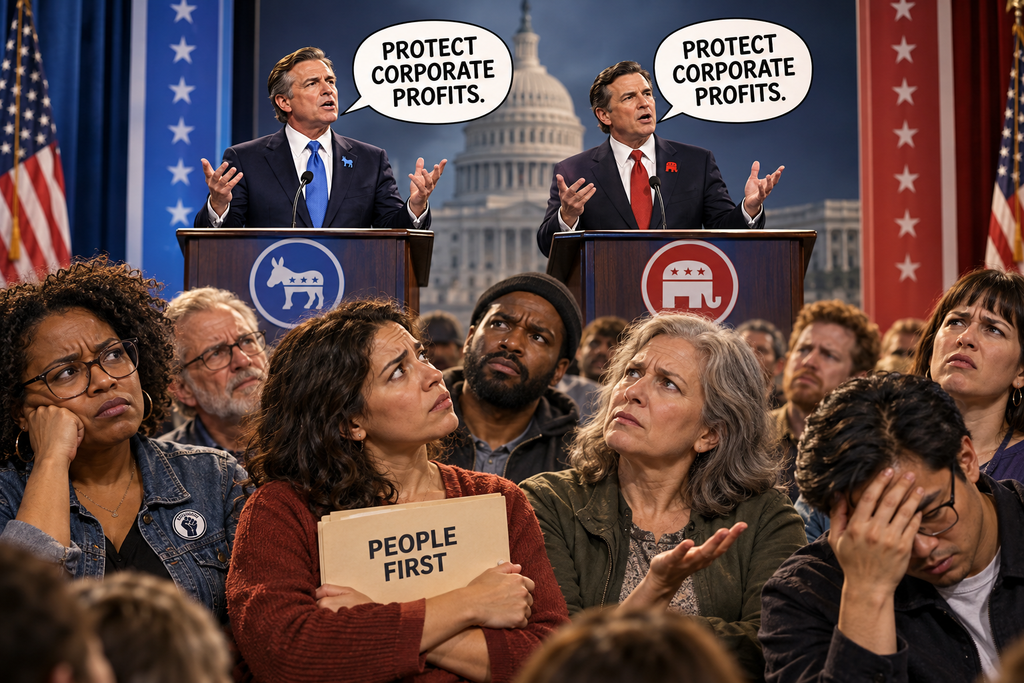
To many of us further left of the political spectrum, Democrats and Republicans sound eerily similar.
Here in St. Louis, the fight involving Cori Bush makes the role of money impossible to ignore. Wesley Bell defeated her again in the August 2026 primary. AIPAC-backed efforts and other outside spending supported Bell, with spending on his behalf substantially exceeding spending for Bush.
Bush was not entitled to her seat. Voters could criticize her, challenge her, and choose someone else. That is how elections work.
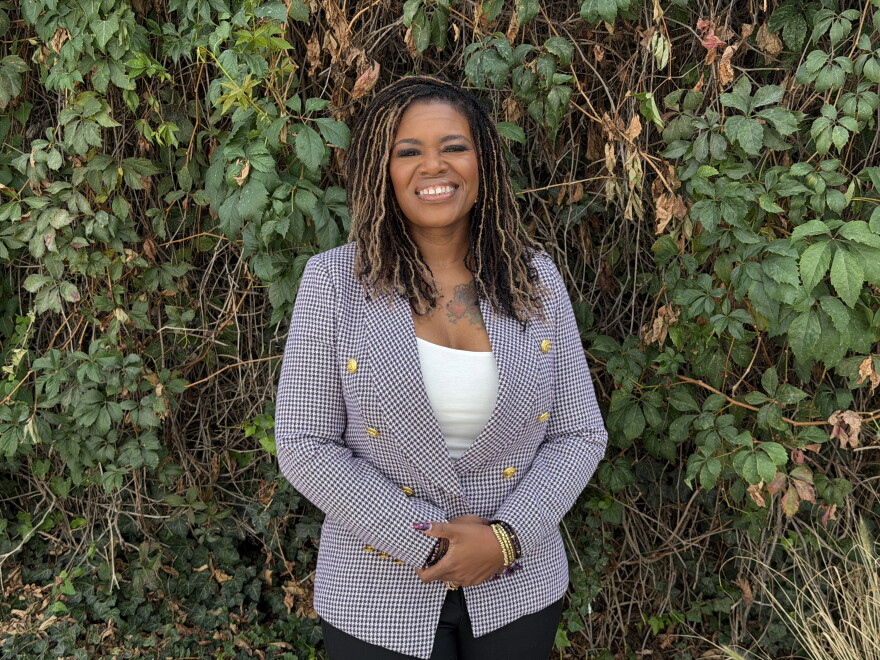
Cori Bush was the U.S. Representative for Missouri’s FirstCongressional District. She served one term before being defeated by Wesley Bell. Bush was not defended by the same Democratic Party that stated that it would defend incumbents and frowned upon primary opponents.
But I am also entitled to question the priorities behind pouring money into defeating a progressive in a heavily Democratic district. I am entitled to ask why a Black organizer’s politics become something to neutralize rather than something the party has to engage.
Calling that spending “democracy” does not put its sources, motives, or effects beyond criticism.
Then there is Hasan Piker, who has become another target in this fight. In April, Democratic Representative Josh Gottheimer joined Republican Representative Mike Lawler in introducing a resolution condemning alleged antisemitic rhetoric from Piker and other online personalities. Gottheimer renewed his push for a vote in August.
Progressive commentator Hasan Piker has become the new boogeyman in mainstream media. His commentary, often taken out of context, had been weaponized against progressive and leftist candidates who he is associated with.
I do not have to agree with every damn thing Hasan says to question why Democratic politicians are devoting energy to this.
He is a commentator. He can be criticized. His statements should be examined, including statements people find offensive or harmful. Having an audience does not make him immune to accountability.
But neither should a controversial commentator become an excuse to discredit everyone on the left who has appeared with him, watched him, or supported a candidate he supports.
Criticize the statement. Make the argument. Stop treating association as a substitute for discussing policy.
For as controversial as many in the mainstream media find Hasan Piker on the left side of the political spectrum, there are many more people on the right side of the political spectrum who are not weaponized against political candidates on the right.
This is where my original frustration still stands: identity-based bigotry is real, but the existence of bigotry does not mean every political disagreement is driven by it.
Sexism against women politicians is real. I have said that repeatedly, including when defending Hillary Clinton against attacks that male politicians would not have faced.
Antisemitism is real. Racism is real. All deserve serious attention.
But criticism of a woman’s policies is not automatically sexism. Criticism of a Jewish politician is not automatically antisemitism. Criticism of a Black politician is not automatically racism.
Democrats often defend bad candidates with bad policies against criticisms and for losing elections by charging critics and voters with bigotry. Although their charges aren’t totally baseless, they are often exaggerated and made into the primary reason why campaigns were lost, and their candidates or politicians face legitimate criticism.
And criticism of a government’s actions is not automatically hatred of the people associated with that government.
Context is important here. There needs to be a careful and sober examination of the evidence. What was actually said matters more than the political spin.
These questions require more work than deciding that an accusation ends the conversation. Using genuine struggles against bigotry as political shields makes it harder to address both the bigotry and the policy disagreement honestly.
I do not want the left exempted from that standard. I want the standard applied consistently.
Progressive candidates should answer for their records. Their supporters should answer for what they actually say and do. But establishment candidates should face the same scrutiny over their donors, policies, alliances, and treatment of the people whose votes they expect.
Too often, the left’s demands are described as dangerous or unrealistic before they are even seriously discussed.
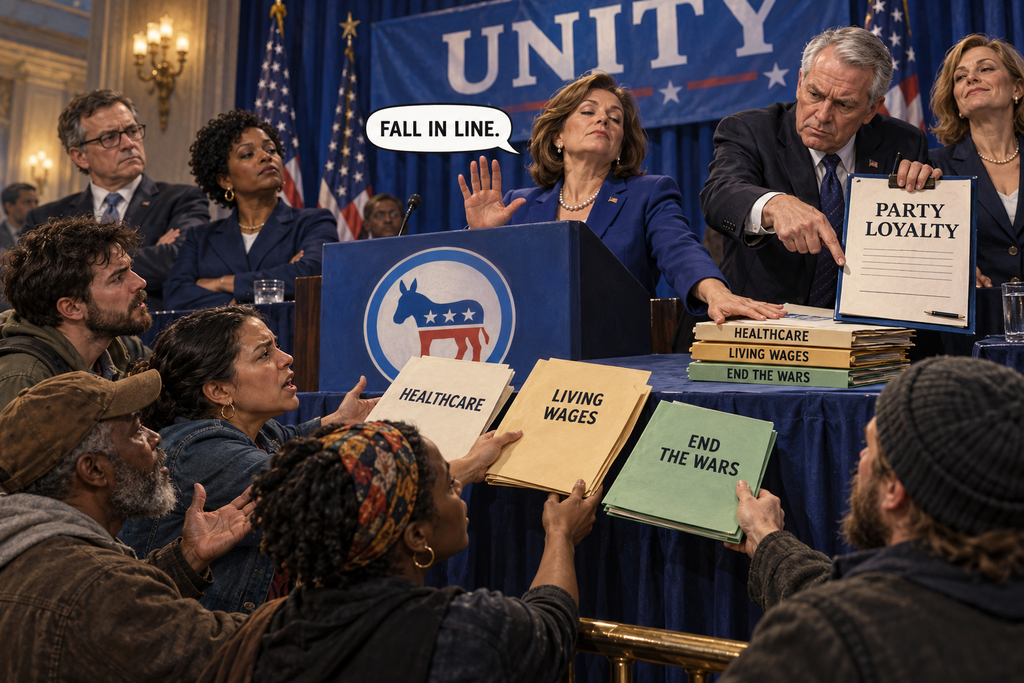
Progressive and leftist voters are told to “fall in line.” These voters are often scoffed at and then blamed for electoral losses.
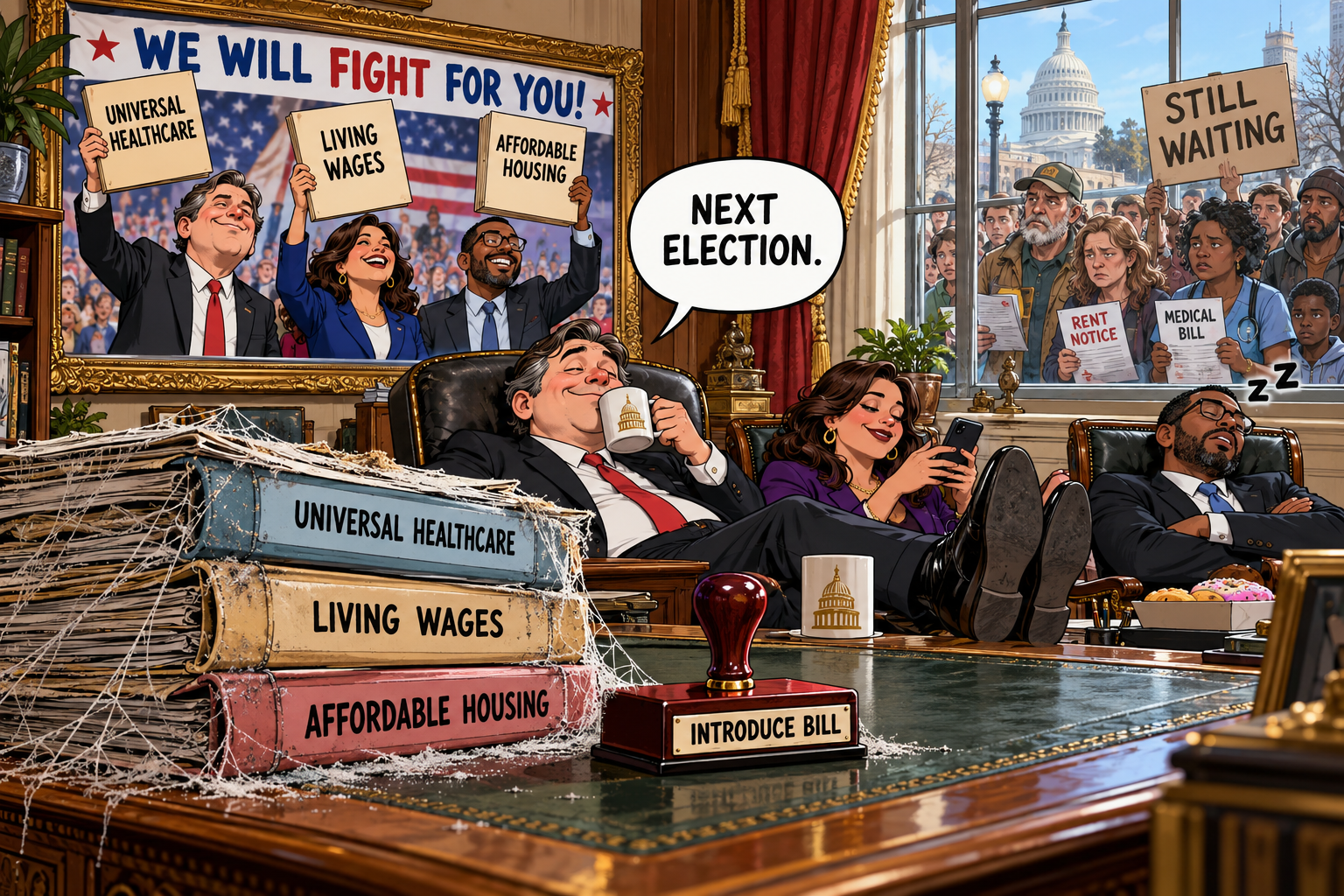
Universal healthcare. Affordable housing. Stronger labor rights. Public investment. An end to policies that treat human suffering as an acceptable cost of somebody else’s profit.
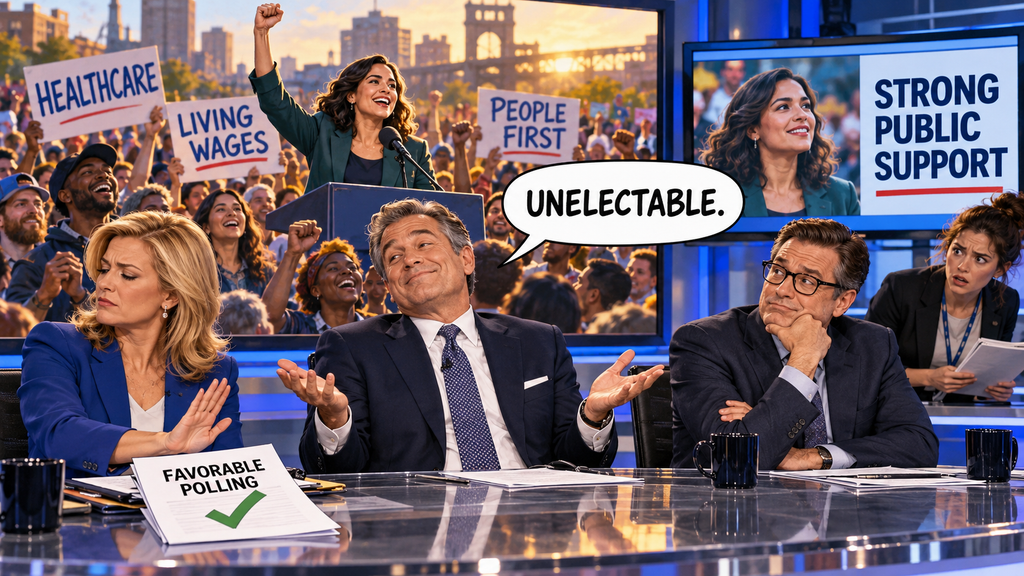
Those are political demands. People can argue against them. But dismissing the people making them as naïve, toxic, disloyal, or unelectable is a convenient way to avoid the argument.
And I think some of that hostility comes from the interests those demands threaten. A party comfortable with its donors and existing arrangements is going to feel pressure when its own voters start demanding changes that those donors do not want.
That is my interpretation of the pattern. It is also why I refuse to accept every attack on the left as neutral advice about winning elections.
Winning for what? Delivering what? And accountable to whom?
The media and party leaders often dismiss progressive and leftist candidates as unelectable.
I understand the danger Republicans pose. I do not need that explained to me every time I criticize Democrats.
What I need is for Democratic leaders and loyalists to understand that opposing Republicans does not require me to surrender my judgment. It does not require silence about the party’s failures, and it certainly does not require pretending that its treatment of the left is fair.
If you want unity, give people a meaningful role in shaping the agenda. Respect their victories. Engage their demands. Show them that their participation matters beyond election-day turnout.
Stop treating the left as a workforce you can insult between elections and summon when you need votes.
Party unity cannot mean that we do the work, accept the blame, and shut the hell up.
I have been a fan of Shaquille O’Neal for decades. I bought Shaqs (his shoes)back in the day. I have defended his hip-hop career against people who act like he was a garbage rapper. I even listen to his EDM music. I love seeing him continue to get endorsements and get paid, and I have praised his generosity and down-to-earth persona.
But being a fan does not require me to ignore behavior that disappoints me. And being generous does not make someone immune to criticism.
That is where too many conversations about Black celebrities fall apart. The moment someone criticizes a wealthy, famous Black person, people start counting donations, comparing bank accounts, and asking what the critic has done for the community. Apparently, whoever writes the biggest check gets the final word on Black people and our liberation.
I do not accept that.
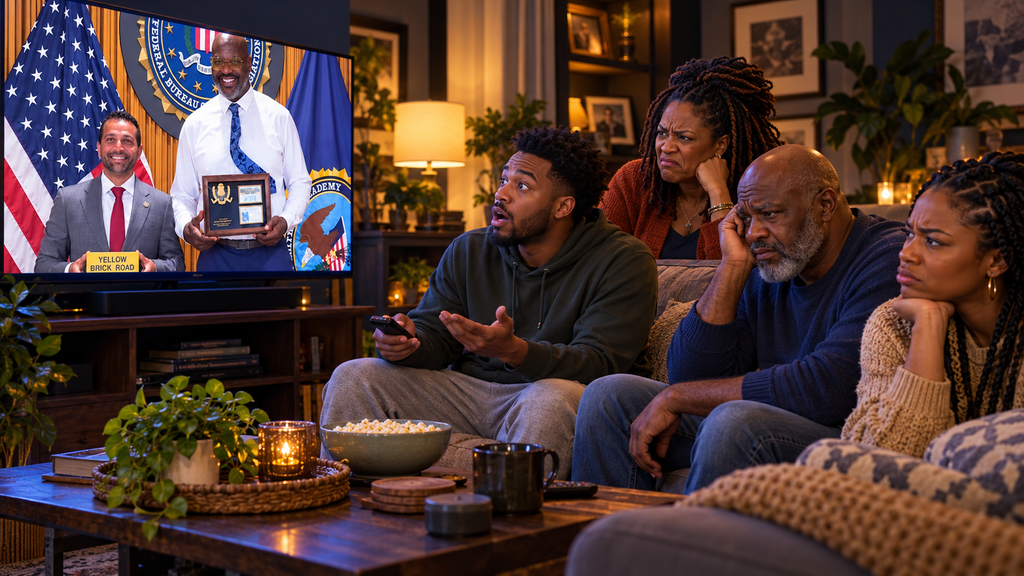
Many Black people were angry that Shaquille O’Neal would happily accept an honorary badge from an administration that many of us perceive as hostile and antagonistic towards the overall Black community.
My frustration with Shaq comes from the distance between the man I admire and some of the positions he takes publicly. I can appreciate his generosity and still question his politics. I can celebrate his success and still be disappointed when he lends his voice to narratives that undermine legitimate Black grievances.
Those things can exist at the same time.
When I described Shaq as having “coon tendencies,” some conservative White people and non-Black Latinos responded by attacking my name, my skin color, and my Blackness. Others reached for a conveniently selected Malcolm X quote. Very few seemed interested in understanding the criticism itself.
And I think it is hilarious that people who claim to oppose identity politics suddenly become experts on who is Black enough when a Black person says something they do not like.
My criticism is about behavior: Black people reinforcing anti-Black narratives, seeking approval at our community’s expense, or treating proximity to White power as more important than Black self-determination. It is not a declaration that every Black person who disagrees with me is a sellout. It is also not a label I reserve for Republicans.
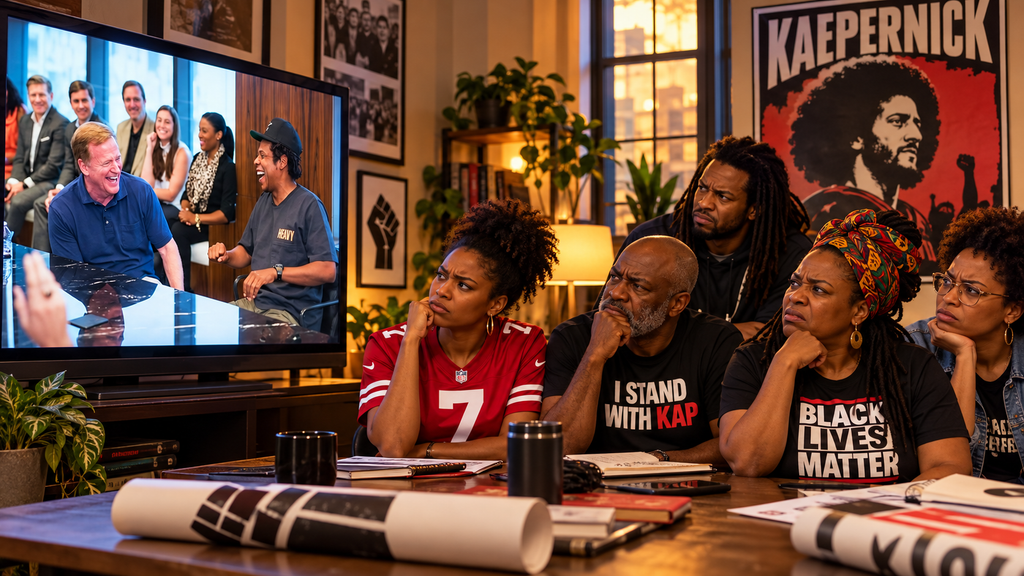
Many Black activists and other Black people saw Jay Z’s deal with Roger Goodell as a selfish and self-serving move that would create goodwill for the NFL but would not give Colin Kaepernick his job back nor protect players from being punished for speaking out for Black issues.
Democrats get criticized too. Over the years, I have criticized Barack Obama, Jay-Z, Hakeem Jeffries, Jim Clyburn, Kamala Harris, and others. There are plenty of Democrats I do not like or trust. A party affiliation does not purchase immunity from me any more than a donation does.
I see Republicans as more overtly hostile to Black interests, but that does not mean I am obligated to defend every Black Democrat. In a hypothetical election, I would gladly support a better White or other non-Black third-party candidate over two Black candidates whose politics fail my community. The question is whether that person’s values align with mine and whether their policies would bring tangible improvements to our lives.
Many Black artists and athletes are indirectly complicit in the mistreatment of our community when they agree to protect their celebrity and pay and perform for white crowds that are hostile to their overall community. Their responsibility and allegiance to the community take a back seat to potential paychecks and career advancement.
Black skin alone does not establish a commitment to Black people.
That applies to people who terrorize our neighborhoods too. Killers, rapists, muggers, burglars, and robbers are destroying the same communities I want to see liberated. I should not have to attach a paragraph condemning them every time I criticize a celebrity or politician.
Law-abiding Black people do not enjoy losing loved ones. We do not enjoy discovering that somebody stole our catalytic converter and that we have to replace it with money we do not have. We do not enjoy being afraid in our own neighborhoods. The suggestion that we tolerate or celebrate these things is racist as fuck.
Black people are the people most negatively affected by Black criminality. We do not like criminality any more than other communities. Most crimes, violent or otherwise, happen within communities. In fact, many of the draconian laws of the 1990s, which led to mass incarceration of Black men, were requested and supported by many in the Black community at that time. However, there are grassroots efforts by many organizations in the Black community to bring awareness and fight against this criminal element. This is mostly goes ignored by the local and national media.
There is constant work happening in Black communities to prevent violence, support young people, and improve conditions. Much of it happens without cameras, national recognition, or a celebrity’s bank account. People who only drive through these neighborhoods on their way to work often know nothing about that work, yet feel qualified to lecture the people doing it.
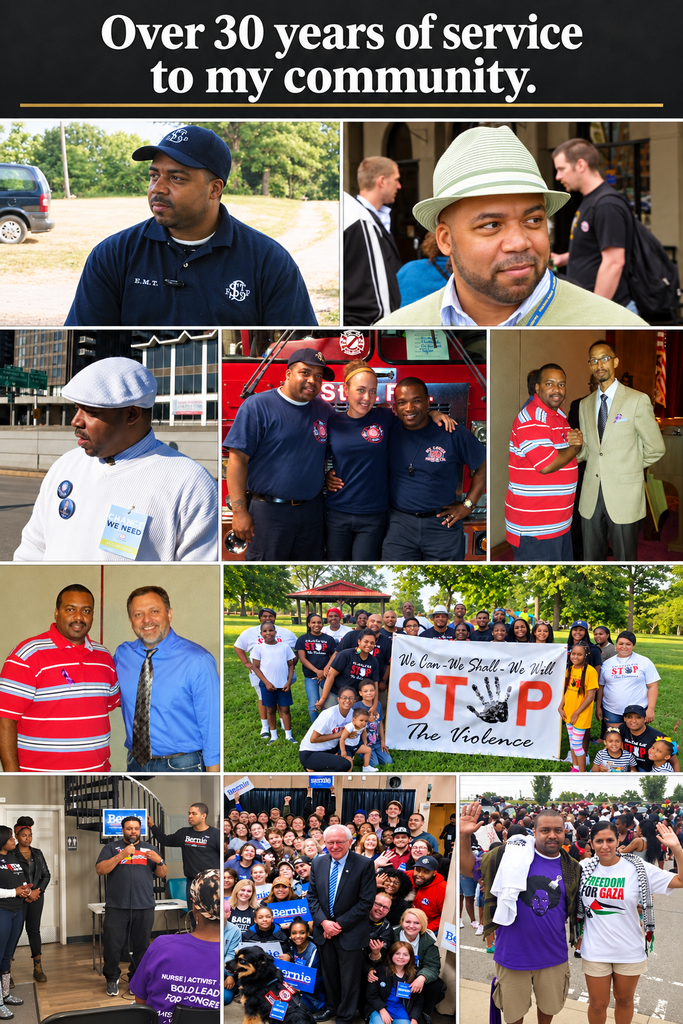
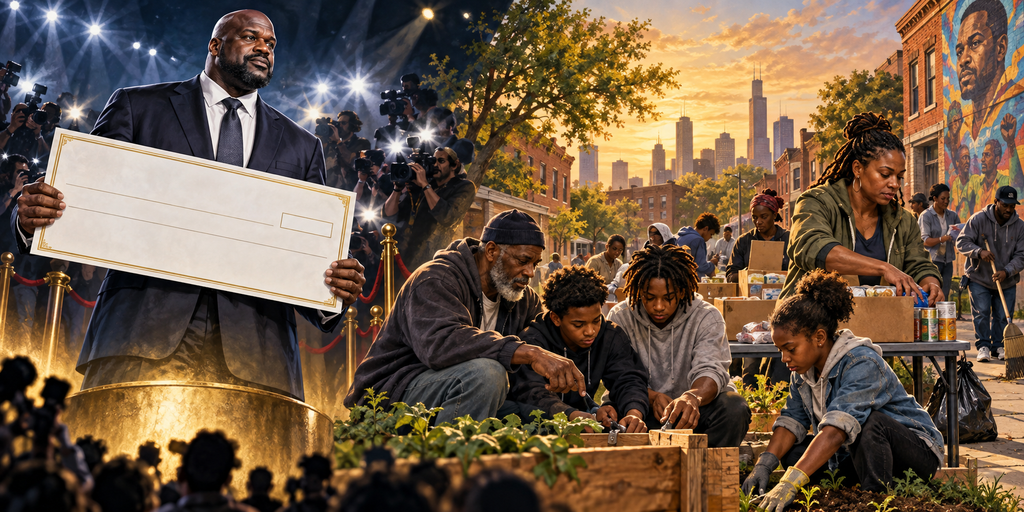
This is why the “What have you done?” response annoys me so much. Someone’s unfamiliarity with my work does not mean that work does not exist. I do not owe a stranger my résumé so they can weigh it against a multimillion-dollar check.
I prefer not to brag about my work or post too much about it. I do what I do out of love for my community, not for recognition. However, my service to my community was questioned by those who don’t know me. I am active. Can I be more active? Yes. But there are many things in this collage that I could add because there are no photos of that work.
My work is my work. It is for the love of my community, not my personal glory.
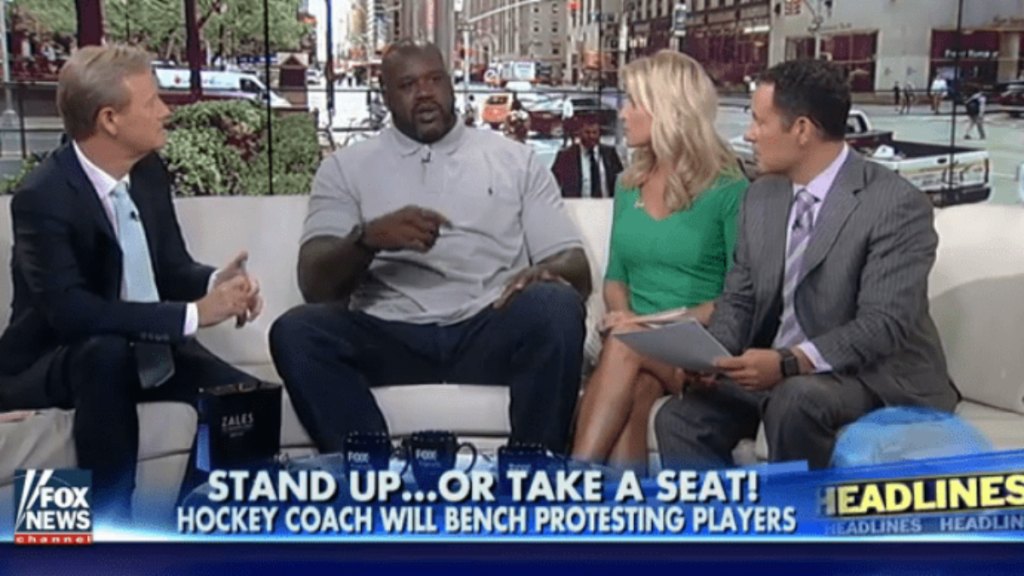
With Shaq, one of the moments that really disappointed me was his appearance on Fox & Friends criticizing Colin Kaepernick’s national anthem protest. Shaq questioned the protest’s timing and method. I remember that appearance because of what the protest represented and where he chose to criticize it.[1]
There is a rule that Black people do not attack other Black people in media that is hostile and antagonistic toward the collective Black community. The way that conservative media, such as Fox News and the Rush Limbaugh Show, normalized and legitimized thinly veiled anti-Black racism should be studied for future generations. Shaq is entitled to his personal opinion, and part of me understands why he feels the way that he does. However, Shaq appearing on Fox and Friends to make it and legitimize their racially biased stances was a cardinal sin for many of us.
I understand that Shaq grew up in a military family. I understand that he may feel a particular reverence for the anthem. But Kaepernick was protesting injustice, and I saw that appearance as another opportunity for a hostile audience to dismiss Black concerns instead of confronting them.
To me, Fox & Friends has repeatedly helped turn legitimate Black criticism of this country into a debate over our behavior, our gratitude, and whether we are showing enough respect. That is a platform I would expect someone with Shaq’s influence to approach with care.
It left me feeling that protecting his public image and business relationships mattered more than standing ten toes down when Black people needed support. That is my criticism of his public choices. I cannot read his mind, and I am not claiming to know everything he does privately.
But I can respond to what he puts in front of the public.
And no, pointing to his philanthropy does not settle that conversation.
Money helps. Those of us who organize and fight these battles appreciate every cent we can get. A donation can feed people, keep a program open, or pay for something a struggling family desperately needs. I am not minimizing that.
What I reject is the assumption that generosity automatically proves a commitment to liberation, or that a wealthy donor has done more than everyone who has sacrificed years of time, effort, and personal resources.
Philanthropic work helps and is appreciated, but they are also done for good public relations and for cameras and recognition. Many people quietly do a lot for the community by donating their time, energy, and limited resources.
Philanthropy can come from compassion. It can also produce favorable publicity, protect a reputation, or serve business interests. Sometimes those motives overlap. The existence of a donation does not tell us everything about the donor’s politics or character.
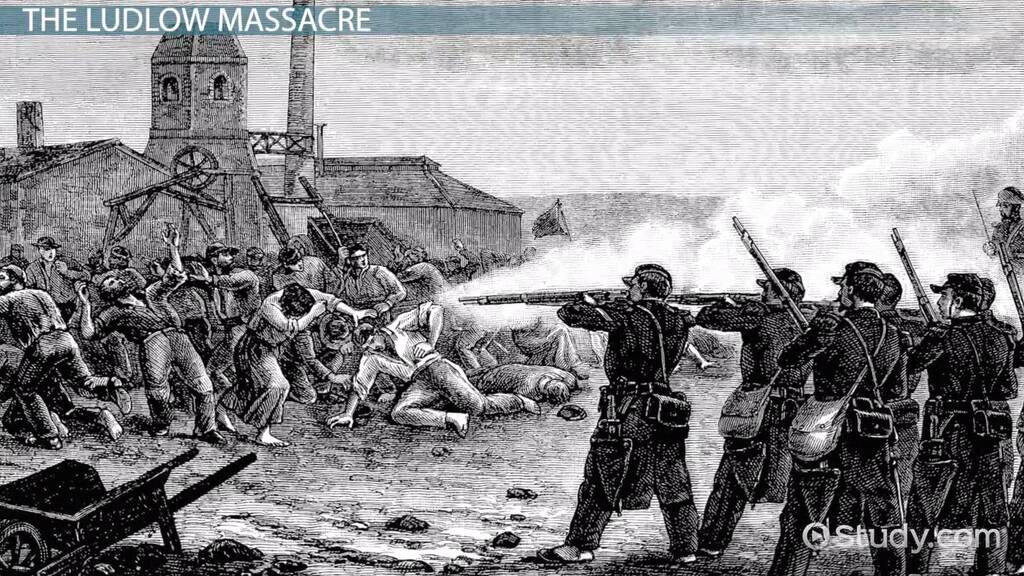
History gives us plenty of reasons to keep that distinction in mind. In 1914, the Ludlow Massacre killed striking workers and family members in Colorado. Eleven children and two women died after fire swept through the tent colony. The conflict involved the Rockefeller-controlled Colorado Fuel and Iron Company, and the aftermath included efforts to repair John D. Rockefeller Jr.’s public reputation.[2]
The Ludlow Massacre led to the birth of modern public relations.
The lesson I take from that history is that a wealthy person’s public generosity should not make us forget the other ways their power affects people.
I am not equating Shaq with the people responsible for Ludlow. I am also not saying that his donations are a scheme to launder his image. I am explaining why “he gives money away” cannot be the end of every discussion about his public behavior.
I appreciate the money. I still have questions about the politics.
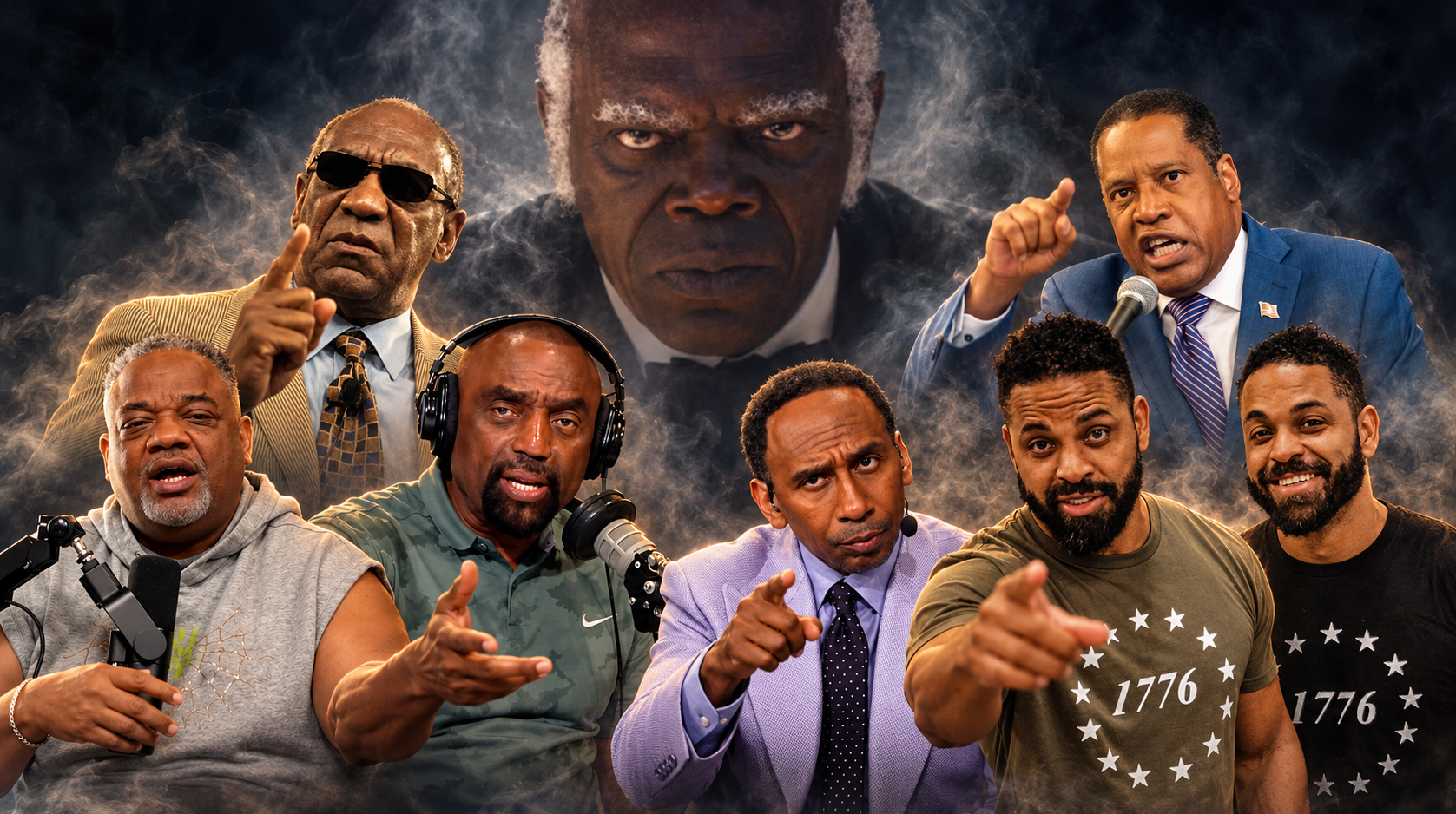
The same applies to other Black celebrities, including Stephen A. Smith and Bill Cosby. Too often, money and fame become shields against criticism. People act as though generosity erases every harmful statement, every bad decision, and every legitimate concern.
It does not.
Many conservatives weaponize cherry-picked words of past Black leaders against Black people who fight for justice, fairness, equity, inclusion, and liberation today. Yet, they often miss the context of those weaponized quotes.
This confusion also shows up in the way White conservatives invoke Malcolm X. They love his criticism of White liberals and the Democratic Party, but somehow lose interest when his criticism turns toward White conservatives.
That takes some serious caucasity.
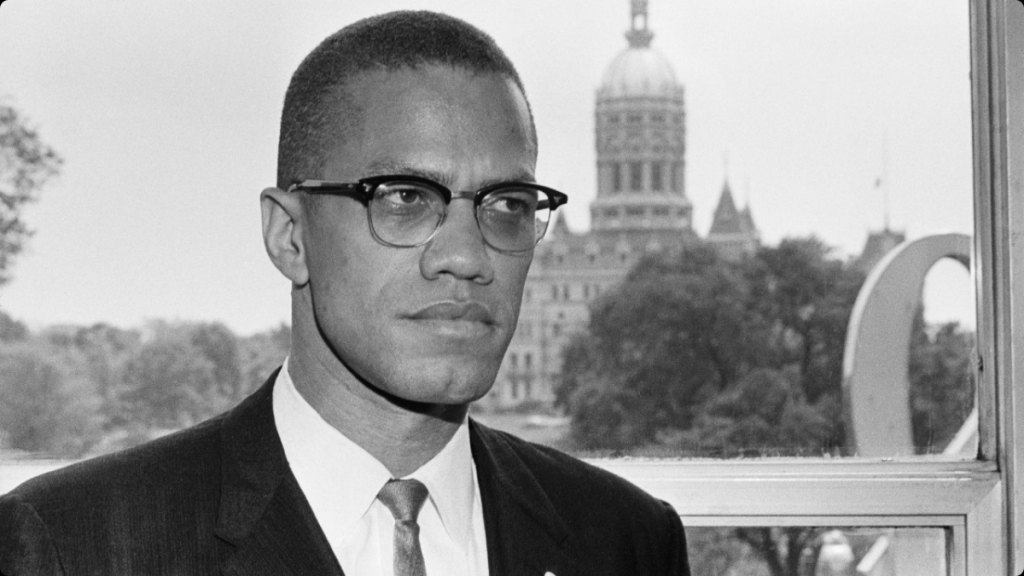
Malcolm’s criticism of liberals came out of his frustration with White political power, manipulation, and promises that did not produce freedom. In his 1963 speech “God’s Judgment of White America,” he compared White conservatives to wolves and White liberals to foxes. The fox’s apparent friendliness did not make it safe, and the wolf’s open hostility did not make it an ally.[3]
Quoting the part about the fox does not turn the wolf into a friend of Black people.
Malcolm’s positions developed over time, and his life deserves more attention than a meme or a clip stripped of context. But Black people thinking for ourselves and deciding our own course remained central to his politics. That is part of what I admire about him.
The most important message from Malcolm X is often ignored by conservatives who quote-mine him. This most important message was Black self-determination and liberation through Black nationalism.
And I take that seriously when dealing with the White left, too.
I do not get my marching orders from White people. Period. Dot.
I have criticized White liberals, progressives, and leftists for racism, for treating Black struggles as opportunities to advance their own agendas, and for assuming they have the right to direct movements they did not build. Being on the left does not exempt anyone from that criticism.
I experienced some of this firsthand in Ferguson in 2014. I remember members of the New Black Panther Party and White anarchists giving conflicting instructions through bullhorns. The Black organizers I heard were urging people to respect the curfew to avoid arrests and bloodshed. The anarchists were urging the crowd to ignore it and confront the police.
What stayed with me was the willingness of outsiders to encourage a confrontation whose consequences would fall on Black people and the surrounding community. From where I stood, one group was thinking about protecting the people in front of them. The other seemed much more interested in confrontation.
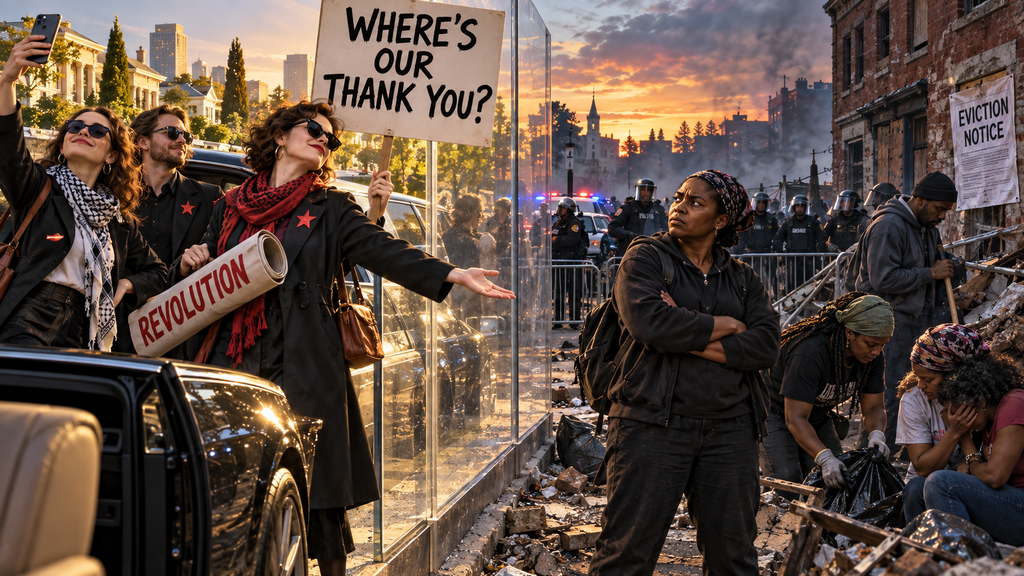
Black bodies are not disposable material for someone else’s revolution.
My account of that night does not explain every protest or every person involved. But it explains why I do not automatically trust someone just because they claim to share my politics. Solidarity requires listening, accountability, and respect for the people who have to live with the consequences.
Many leftists use Black issues to wage their own personal revolutions while ignoring the many costs to the Black community. They don’t necessarily have to live with the fallout from fires, looting, and vandalism in predominantly Black communities.
I am a Black leftist because of my own values, experiences, and study. That position does not require permission from the White right or instructions from the White left.
It also does not require me to defend my Blackness every time someone dislikes what I say.
Yes, I am light-skinned. So were Malcolm X, Frederick Douglass, and plenty of other people whose commitment to Black people is difficult to dispute. What, exactly, is attacking my complexion supposed to prove?
My skin color doesn’t make me less Black.
My skin color does not erase my ancestry, my experiences, or my identity. Neither does my name.
My name is Mario. There are plenty of Marios and DeMarios in the Black community. Does a Black man named William become English? Does a Black woman named Natasha become Russian? Was Kobe Bryant Japanese because of his first name?
I am Black. I am Black American. I am not Italian, and my olive complexion is not evidence that I am secretly Mediterranean. My family history includes African, European, and Indian ancestry. I do not need to turn my genealogy into an exhibit every time somebody wants to dodge my argument.
If the criticism is about my position, address my position. My complexion is not a rebuttal.
And disagreement with a celebrity does not automatically mean jealousy. I have had a good life. I am educated. I have not starved. I have great children. I do not need Shaq’s wealth or fame to appreciate my own life.
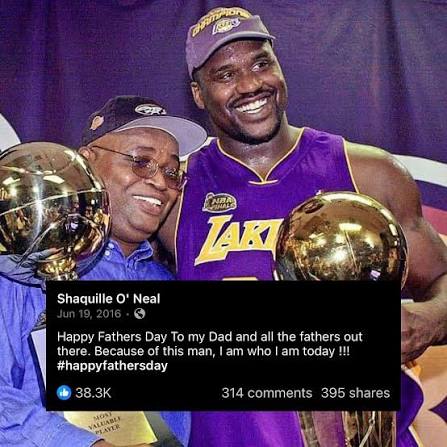
In fact, part of my affection for Shaq comes from something we have in common: we were both raised by stepfathers who loved us and treated us as their own.
My father was an entrepreneur, a leader, and a pillar in the community where I grew up. He provided a good life for our family, but he also helped people around us. I watched him help pay for funerals when families could not afford to bury their loved ones. I watched him feed hungry children. I watched him clean up our street and alley and make sure we took responsibility for the place where we lived.
I watched him help raise other people’s children. There are people in my community who still thank him for what he did.
I have tried to follow that example the best I can. When Shaq talks about his father, Phil, I recognize something in that relationship. Two children raised by Black men who taught us about responsibility, manhood, and service to the community. That matters to me. I feel the same way about my dad that he does about his, even though we are not the their biological children.
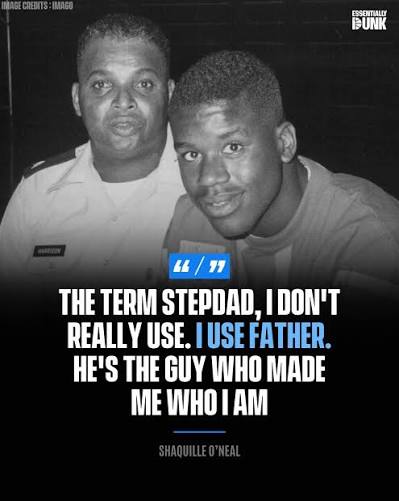
One of the things that drew me to Shaquille O’Neal was his relationship with Phillip Harrison. O’Neal is not biologically related to Harrison, but he considers him his father. To Shaq, Phil is not a stepdad. Phil is his father and is respected and honored as his father. This is something that O’Neal and I have in common. Although our situations may be a little different, we both consider our stepdads our “real” fathers. The love that Shaq has for his dad is good to witness. Phil Harrison’s guidance made Shaq the man he is today and pushed him toward success.
It is one reason my criticism comes with disappointment. There is affection behind it.
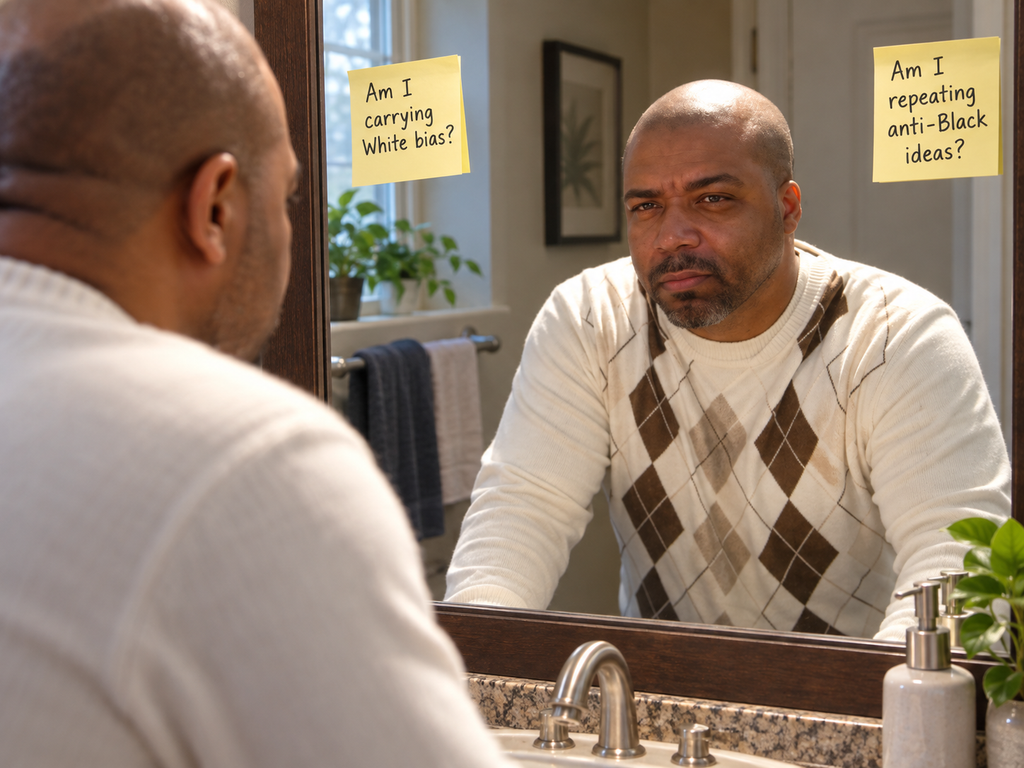
I am also not placing myself above the problem I am describing. I have to check my own thoughts, feelings, and assumptions all the time. White supremacy and the idea of Black inferiority are taught throughout this society. Being Black does not automatically protect us from absorbing them.
All of us struggle with White bias and anti-Black thoughts. I am not immune to this way of thinking. We have been conditioned in many ways since birth to see Whiteness more positively than Blackness.
I do not believe any of us should assume we are finished unlearning those lessons. I certainly am not.
That is why I want us to be able to discuss anti-Black behavior without immediately turning the conversation into a defense of someone’s fame, bank account, or party affiliation. If I am reinforcing something harmful to our community, I need to examine it too.
Shaquille O’Neal is a celebrated athlete, entertainer, businessman, and philanthropist. Those accomplishments are real. They do not automatically make him a leader of Black people, or make his judgment on our political struggles more valuable than the judgment of people doing the work every day.
I want us to stop treating celebrity status as a qualification for community leadership. Selling products, winning championships, and becoming wealthy do not necessarily prepare someone to guide a people toward freedom.
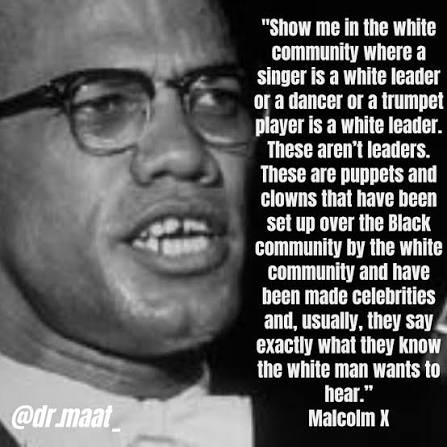
Malcolm X’s biting commentary regarding the elevation of celebrities as Black leaders has a lot of truth in it. It is the white power structure that elevated their status, and many of these celebrities don’t want to bite the proverbial hand that feeds them.
I am unimpressed by Black obedience and respectability politics. Celebrating Black excellence or Black capitalism does little for me when the celebration ends with a few individuals becoming rich while the conditions facing the rest of our community remain intact.
What I respect is Black liberation and self-sufficiency. I want Black global advancement and autonomy. I want us to build the institutions, knowledge, resources, and collective power to stand on our own and make decisions about our own people.
My dream and my goal for the future is true Black liberation. This is not an anti-White vision. This is a world in which Black people have parity with White and Asian people. Black people building, owning, and deciding our own future. Education, healthcare, food, technology, media—and collective power across the diaspora.
That commitment runs through much of what I admire in Malcolm X and the broader history of Black self-determination. It is why I am an unapologetic Pan-Africanist and a proud Black American. It is why I study Malcolm, Dr. King, and the other giants whose shoulders I stand upon, even when their approaches differed and even if I disagree with each of them on minor details.
My loyalty is to my people and our liberation. No politician, party, celebrity, or donor gets to place themselves above that commitment.
I can love Shaq and still be disappointed in him. I can appreciate his generosity and still expect more from his public choices. I can criticize him without hating him, envying him, or denying the good he has done.
And I should not have to write a whole damn dissertation to explain that.
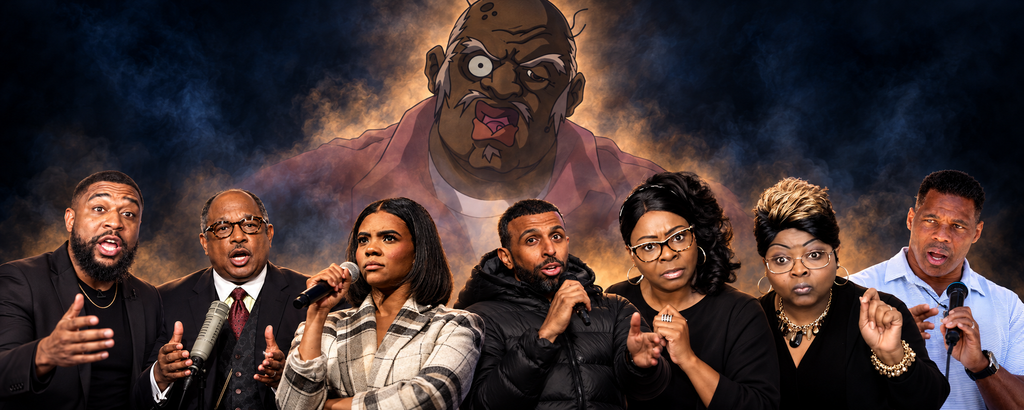
I’ve realized that White conservatives love Black people who tell them exactly what they want to hear about other Black people. These people get away with saying the shit that their White supporters can’t say without being correctly labeled as racist. So they need Black mouthpieces to label Black people as “EBT Americans,” “ghetto,” and “hood rats,” while conveniently ignoring how many White people receive assistance or engage in the same behaviors they condemn in Black people.
But “redneck” culture and poor White culture are often celebrated in country music and the mainstream, while similar expressions of poor Black culture are treated as subversive and problematic. Apparently, the behavior isn’t always the problem. Sometimes, it’s the color of the people doing it.
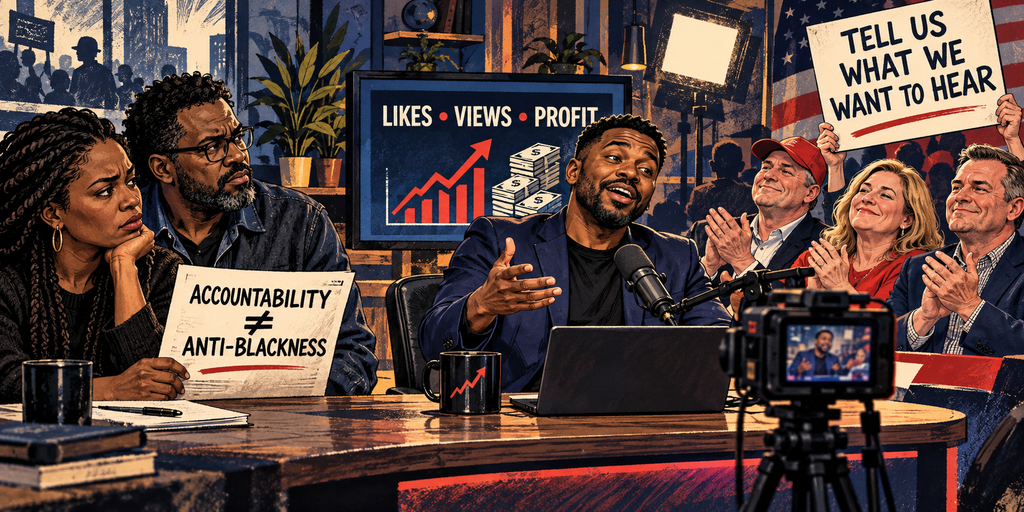
Being a Black person who produces anti-Black content online is an easy way to get notoriety and profits very fast. Many conservative White fans laud them as “freethinking” “truth-tellers,” but, these people’s connection to the Black community is permanently marred.
I was watching a video compilation of Black people responding to allegations that Texas Roadhouse employees had posted about spitting in Black patrons’ food. The controversy has prompted calls for a boycott. And sure enough, there was a Black man celebrating the idea of White employees spitting in the food of Black paying customers.
In his Uncle Ruckus-style rant, he called Black patrons the names I mentioned earlier and said Texas Roadhouse should “keep doing what they are doing” to keep Black people out so others could dine in “peace.”
Never mind the chaotic restaurant incidents involving White people. Never mind White people dining and dashing. Never mind all the examples that contradict this racist narrative. Somehow, when a White person acts out, it’s an individual incident. When a Black person acts out, it becomes an indictment of Black people as a whole.
Do you think conservative White people came after this “pick-me” for celebrating racial discrimination and alleged food tampering? No. They co-signed. And then they wonder why we call them racist.
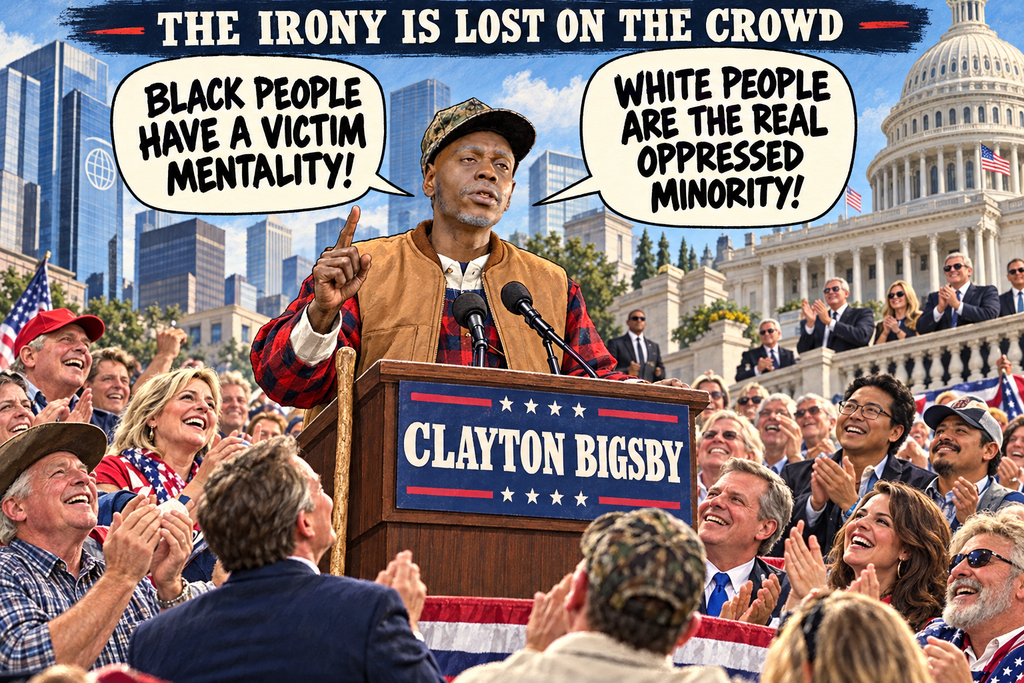
Self-hating Black mouthpieces for White supremacy tell many conservative whites exactly what they want to hear. Many of these Black commentators downplay anti-Black racism in the West while painting White people as the victims of constant discrimination. The irony is that those who claim that marginalized people have a “victim complex” love to cosplay as victims themselves.
I don’t know whether this man believes everything he says or is chasing the attention and money that anti-Black commentary can bring. Either way, the result is the same: Black people are demeaned, and his audience gets a Black voice to validate its prejudices.
Liberal, progressive, and leftist Black people don’t want our dining experiences ruined by people acting out in public, either. But the difference is that many of us separate problematic behavior from race, ethnicity, and even class. And even when we are annoyed by the uncouth behavior of certain patrons, we are not going to celebrate someone tampering with their food based on race and the assumptions that come with it.
I tip well. I also have problems with the history of tipping in the United States and the way employers use it to shift responsibility for paying workers onto customers. Having worked for tips for years, I’m well aware of the stereotype that Black people don’t tip.
However, whether someone tips or not is not an excuse for poor customer service or mistreating anyone who comes into an establishment. An optional tip is a courtesy. It should not take the place of an adequate living wage. And it certainly should not determine whether someone’s food is safe to eat.
But I tip well anyway because I know it is appreciated, because it can lead to better service, and because I want to help people.
Although many of these Black commentators are conservatives… or PRETEND to be conservatives as part of their grift, it is NOT necessarily conservatism that is the issue with these people. Rather, it is the fact that many of these people are almost constantly contrarian and antithetical to issues that the majority of Black people champion.
Black people being anti-Black is never a good thing and should not be rewarded. Yet White conservatives are quick to embrace Black people who demean other Black people while treating White people as the exemplary model for humanity. Wrap it in a flag, call it “patriotism,” and suddenly contempt for your own people becomes a marketable personality.
Many of these commentators wear the backlash from other Black people as a badge of honor. Their White supporters call them “freethinkers” and “truth-tellers” for repeating the same racist talking points those supporters already believed.
What, exactly, is free-thinking about telling an audience everything it wants to hear?
You can criticize Black people. You can criticize public behavior. You can demand accountability. But celebrating racial humiliation and the idea of someone contaminating Black customers’ food is not accountability. It is anti-Blackness, and having a Black person deliver the message does not make it any less racist.
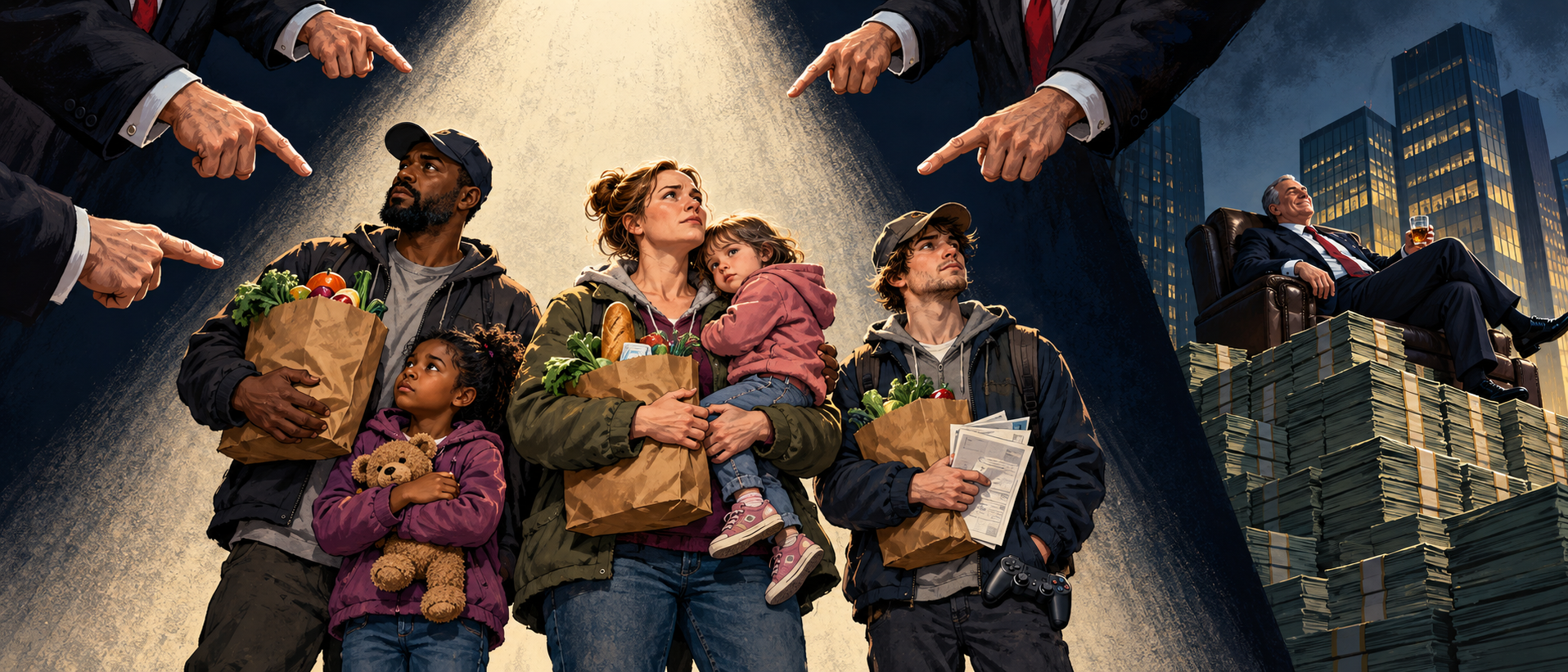
Well, well, well. Republicans around the country, especially in Arkansas, are upset that Sarah Huckabee Sanders’ new political ad shows a young White man as a “welfare queen.” They are now turning against her for portraying a White man on welfare. They argue that White people have been discriminated against for decades (who has the “victim mindset” again?) and that the commercial should have shown a woman, particularly a Black woman (or a Black person in general), as the problem welfare recipient.
And part of me agrees that the welfare recipient in the ad was not an accurate portrayal… but not for the racist and sexist reasons they are citing.
The trope of the lazy young gamer is problematic by itself and many of these unemployed gamers are not on welfare. If they are not actively looking for work, they are usually being financially supported by parents, spouses, domestic partners, siblings, or other family members. Plus, most people who game regularly are employed.
As for actual welfare recipients, more White people are on welfare than Black people. This is the part where the racists start talking about per capita. But in this case, per capita doesn’t matter. Most people in Arkansas who are on welfare are White (54%). Only 31% of welfare recipients in Arkansas are Black. This means that the face of welfare in Arkansas should more than likely be White, since more White people are on welfare than Black people by sheer number.
The trope of lazy welfare recipients was popularized in the 1960s after Black people were allowed to participate in those programs. This was also when many conservative Southern politicians from both parties started imposing eligibility rules for welfare that removed men, especially Black men, from the home. Contrary to a popular talking point, it was not President Lyndon Johnson who removed Black men from the home. It was conservative Southern and Midwestern legislatures and governors, most of them Democrats, who started these policies locally and pushed for them to be implemented nationally. These policies were designed to punish Black families for participating in programs originally intended only for White families. Since then, Black people using public housing, housing assistance, food stamps, and other programs we collectively think of as “welfare” have been classified as “lazy” and saddled with other negative stereotypes. This happened despite many of them working low-paying jobs and despite many White families receiving welfare for generations.
White conservatives need the narrative of Black welfare abuse to advance White supremacy and mask their own dependence on government assistance. In their minds, they use assistance because they need it. Black people use it because they supposedly lack morals and diligence. That is what they think. And then they wonder why they are constantly called “racist” and “bigoted.”
They also hate that the commercial didn’t feature a woman. Because, Lord knows, you can feature a man with a chronic disability receiving Social Security benefits while mostly appearing able-bodied, and that disability never seems to bother them except when asked to work. But let’s demonize the woman he had children with while ignoring his failure to provide for them. Behind many women who need welfare is a deadbeat father who doesn’t provide for his children.
This is not to shit on people receiving any form of welfare, including disability benefits. However, we need to stop with the racist and sexist tropes, stereotypes, and narratives around welfare.
Do people abuse welfare? Yes. All types of people abuse welfare, including the rich…especially the rich. Elon Musk is one of the biggest “welfare queens” out there, spending much of his time playing video games and reposting Nazi propaganda on X. But no one talks about him or gets angry at him. “But Elon Musk is a ‘job creator!’” So are the Somali daycare owners you are now demonizing based on a deceptively produced and edited video by a conservative, made to make the whole community look bad. Again, you wonder why we think of you as “racist” and “bigoted.”
The point is that all tropes are bad, especially when they are used to demonize the economically downtrodden. Whether it is a Black family, a single White mother, or a young unemployed gamer (of any race), these tropes and stereotypes need to go. We need to stop trying to punish individuals and families for being poor. We need to stop defining and demonizing whole groups of poor people based on the actions of a relative few. We need to stop the exploitation of labor and theft of wages by large corporations that underpay their employees and make them need welfare to live.
This is my problem with Sarah Huckabee Sanders’ campaign commercial. It’s the same old conservative pastime of punching down. With Sanders, the targets are unemployed gamers and all welfare recipients. With her conservative critics, the targets are women and Black people. It all has to stop.
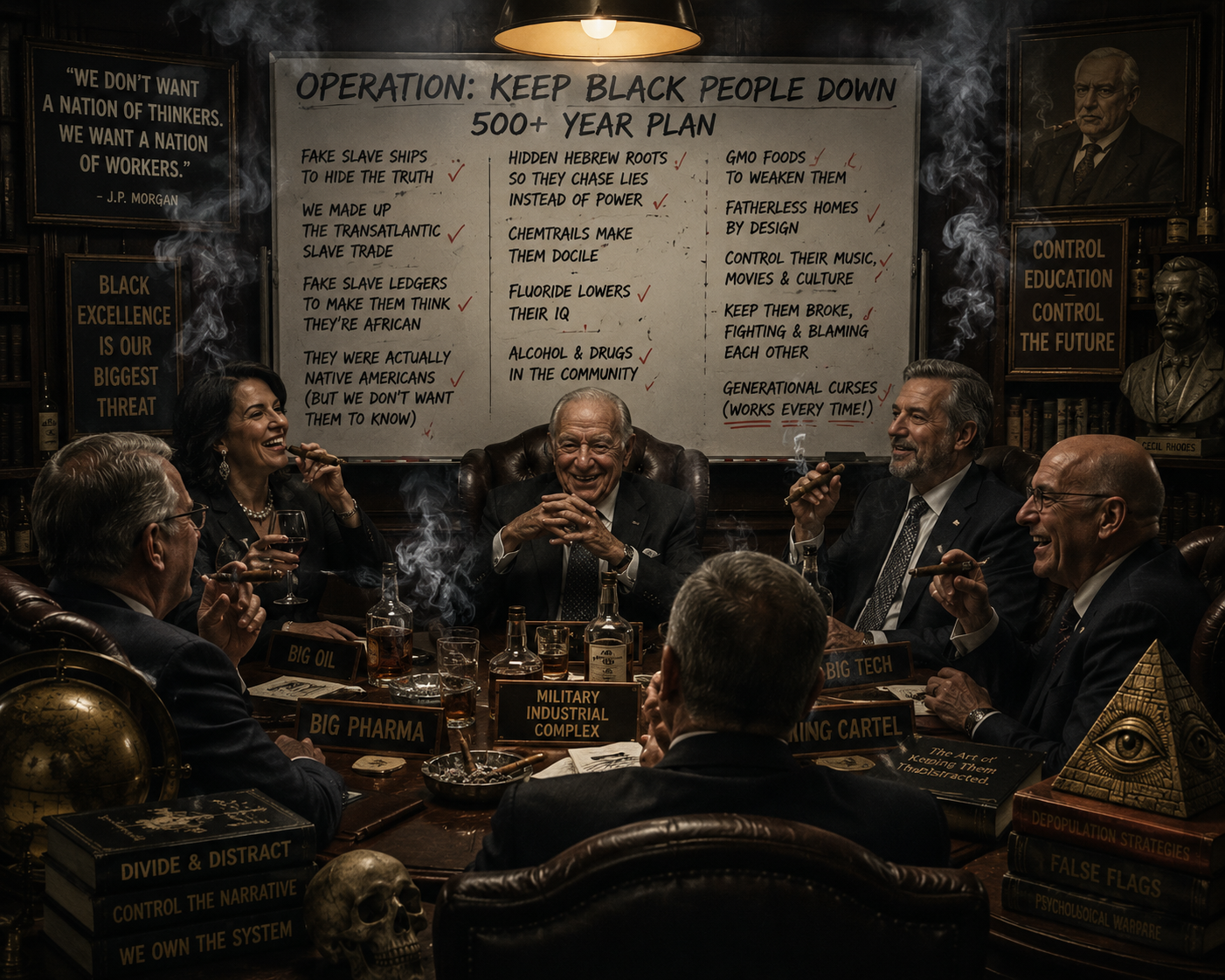
One of the biggest mistakes I see in some corners of the Black community is the tendency to give white people far too much credit.
White people are not omniscient.
They are not omnipotent.
They do not spend centuries carrying out flawless master plans that unfold exactly as intended. History simply doesn’t support that view.
Most governments, corporations, and powerful institutions don’t operate like the cartoonish villains in a Hollywood movie. Their conspiracies (when they exist) are usually messy, short-sighted, reactive, and often exposed much sooner than people imagine. They make mistakes. They fight among themselves. They pursue immediate political or economic gains without fully understanding the long-term consequences of their decisions.
History is full of examples where powerful people achieved one objective only to create entirely new problems they never anticipated.
That doesn’t make oppression any less real. I am certainly not arguing that. Rather, it simply makes the oppressors more human.
Unfortunately, some people have embraced a worldview where every historical event is interpreted as evidence of an elaborate, centuries-long conspiracy that only a handful of self-proclaimed “enlightened” YouTubers can supposedly decode.
I don’t buy it.
Ironically, this kind of thinking can become a form of white supremacy itself.
Why?
Because it assumes that Europeans and their descendants possess almost supernatural intelligence and foresight, and that every outcome in history happened exactly as they intended. It turns them into all-knowing masterminds while reducing everyone else to passive spectators with no agency of their own.
History is far more complicated than that. Empires rise, and empires fall. Wars produce unintended consequences. Economic systems evolve. And, technology changes societies in unexpected ways.
Entire civilizations have been transformed by accidents, disease, environmental changes, and decisions that looked reasonable at the time but produced completely unforeseen results.
The world we live in today wasn’t built from one perfect blueprint. Instead, it emerged from countless successes, failures, conflicts, compromises, and historical accidents.
The same applies to European dominance.
Europeans didn’t become globally dominant because they were biologically smarter than everyone else. Wealth, geography, trade networks, military competition, access to resources, political institutions, and centuries of technological development all contributed to that outcome. And let’s not forget the unfortunate accidental “luck” of wiping out most of the people on two continents with new diseases. The Innovation tends to flourish where societies have the resources, security, and incentives to pursue it.
More importantly, what we choose to believe affects what we choose to do.
If we convince ourselves that every aspect of our current reality was perfectly engineered hundreds of years ago, we risk believing that nothing can be changed. This fatalism has never liberated anyone and saps people of any real empowerment.
This is one reason I have little patience for theories claiming that the countless slave ledgers documenting the forced transportation of Africans across the Atlantic are all fabricated because “they” supposedly want us to believe we’re Africans instead of Native Americans or ancient Israelites.
The historical evidence overwhelmingly points to the fact that Black Americans are primarily descendants of West and West-Central Africans. Accepting that reality doesn’t diminish us. It does the opposite. It connects us to one of the richest, oldest, and most diverse regions in human history.
Instead of spending our energy chasing increasingly elaborate conspiracy theories, we should be asking far more practical questions:
How do we build stronger Black-owned businesses?
How do we create institutions that outlive us?
How do we increase homeownership?
How do we educate our children about African and African American history?
How do we develop economic relationships with countries throughout Africa and the wider African diaspora?
How do we build wealth instead of merely talking about it?
These questions are much more important than hanging on to weird conspiracy theories.
Nation-building is harder than conspiracy-building. It requires discipline instead of speculation, investment instead of internet debates, and cooperation instead of division.
If we truly want liberation, then our greatest challenge isn’t uncovering another secret plot.
Our greatest challenge is building communities that are economically independent, culturally confident, politically organized, and connected to the broader African world.
That’s work worth doing. Everything else is just a distraction.