Tag: racism

  • The Problem With “Not All”

    The Problem With “Not All”

    One of the most common responses people give when a social problem is discussed is the phrase “not all.”

    Someone raises concerns about racism, sexism, or discrimination, and almost immediately someone replies: “Not all [fill in the blank] are like that.”

    Of course not.

    Only a complete fool would believe that every member of any group behaves the same way. Human beings are not monoliths. Most of us already understand that.

    But the phrase “not all” often serves a different purpose in these conversations.

    It is a defensive reaction.

    Instead of encouraging reflection, it frequently becomes a way to shift attention away from the behavior being discussed. The focus moves from addressing a problem to protecting the feelings or reputations of people who do not want to be associated with it.

    In practice, this can prevent honest discussions about patterns of behavior within societies.

    For example, when discussing racism, many people immediately emphasize that there are white individuals who have fought against racial injustice. And that is absolutely true. History includes many white allies who actively resisted slavery, segregation, and discrimination. These include people like John Brown, Joan Mulholland, Andrew Goodman, Michael Schwerner, and many others who risked or even lost their lives in the struggle for civil rights.

    Those individuals deserve recognition.

    But acknowledging those exceptions does not erase the broader historical reality that systems of racial hierarchy existed and were maintained by large numbers of ordinary people who were not actively resisting them.

    The same pattern appears in other social issues.

    Consider conversations about sexual violence. Most men do not commit acts of rape or assault. Yet when the topic arises, discussions often shift quickly toward defending men as a group rather than addressing the cultural attitudes that can enable or excuse harmful behavior.

    In both cases, the “not all” response shifts attention away from the underlying problem.

    The issue is not whether every individual participates in wrongdoing. The issue is whether members of a society are willing to acknowledge patterns of harm and take responsibility for addressing them.

    Accountability requires honesty.

    That honesty includes recognizing when people within our own communities (whether defined by race, gender, nationality, or ideology) have contributed to injustice. It also requires recognizing that silence, indifference, or passive acceptance can sometimes help sustain those injustices.

    True allies rarely feel the need to insist on the phrase “not all.” They already understand that criticism of a system or pattern is not the same thing as condemning every individual.

    They also understand that progress begins with self-reflection.

    No person or community is perfect. Growth requires acknowledging shortcomings, learning from them, and striving to do better.

    Defensiveness may protect our pride, but it rarely helps us confront the problems that still need to be solved.
  • What White Supremacy Actually Means

    What White Supremacy Actually Means

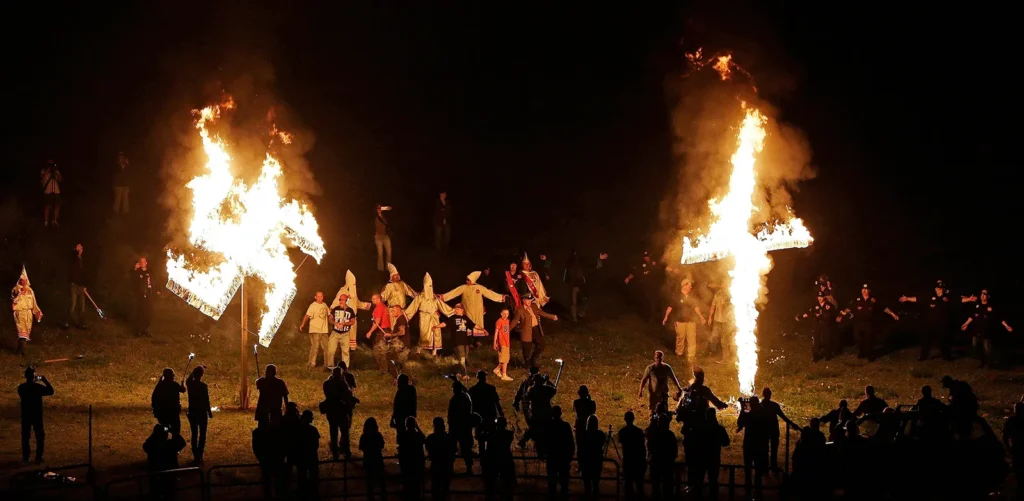
    In political debates today, the term “white supremacy” is often treated as if it only refers to extremist groups of people wearing robes, burning crosses, having shaved heads, sporting swastikas, or openly identifying with organizations like the Ku Klux Klan.

    A cross and a swastika burning at a modern Klan rally.

    But historically and academically, the concept is broader than that.

    White supremacy refers to the belief (explicit or implicit) that white people and white cultural norms represent the highest or most advanced model of civilization and humanity. It is the assumption that whiteness is the standard by which intelligence, morality, competence, and social order should be measured.

    This belief does not always appear in openly violent or in cartoonishly belligerent forms. It often appears in subtler assumptions about who is naturally suited for leadership, who is presumed competent, and who must constantly prove themselves.

    For example, racial explanations are frequently used to explain social outcomes. Certain groups are sometimes associated with crime, others with academic achievement, others with competent leadership, and others with athletic success.

    But when scientists examine many of these assumptions, the explanations often turn out to be social rather than biological.

    A useful example comes from long-distance running.

    For decades, athletes from Kenya and Ethiopia have dominated international distance running competitions, frequently winning Olympic and marathon events. Some Western researchers initially suspected that East Africans might possess unique genetic advantages that gave them superior endurance.

    After extensive study, scientists found no definitive genetic explanation.

    What they did find were social and environmental factors: training culture, altitude conditions, economic incentives, and the perception that success in distance running could provide a path to financial mobility.

    In other words, success was driven less by biology than by opportunity, culture, and motivation.

    The same dynamic appears in many other areas of life. When communities see certain fields as viable paths to advancement and upward socioeconomic mobility, they invest time, energy, and cultural value into those pursuits. This is true whether these pursuits are sports, academics, entertainment, or various professions (think of Irish immigrants of the 19th century and their attraction towards first responder professions).

    When people attribute success or failure primarily to race, they overlook these structural and social factors.

    That is where racial ideology begins to appear.

    If someone believes that race alone determines intelligence, morality, or ability, they are embracing a worldview that closely resembles classical racist thinking. The assumption that certain groups are naturally superior or inferior has historically been used to justify exclusion, discrimination, and unequal opportunity.

    Understanding these ideas requires moving beyond stereotypes and examining how beliefs about race shape expectations and institutions.

    White supremacy, in this broader sense, is not only about extremist organizations.

    It is about the belief that human potential can be ranked according to race, and that some groups are naturally meant to lead while others must struggle to be accepted.

    History and science consistently show that reality is far more complex than that.

  • Political Realignment and the Persistence of Racial Tension

    Political Realignment and the Persistence of Racial Tension

    One of the most uncomfortable facts in American political history is that the party alignments of the Jim Crow era no longer resemble the political landscape we see today.

    During the late nineteenth and early twentieth centuries, most white voters in the South identified with the Democratic Party. The Democratic Party of that era included the segregationist political leadership that dominated Southern politics during the Jim Crow period.

    That began to change in the mid-twentieth century.

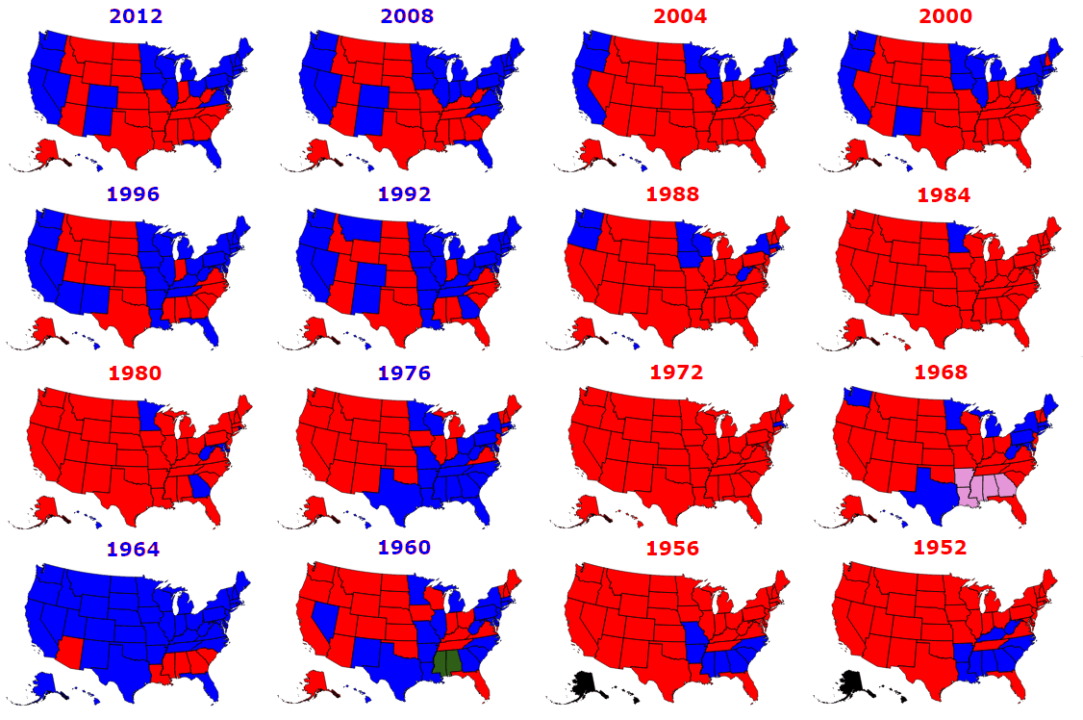
    After the passage of the Civil Rights Act of 1964, the Voting Rights Act of 1965, and the Fair Housing Act of 1968 (landmark laws supported and signed by Democratic leadership), the political map of the United States gradually shifted. Over the following decades, many white Southern voters moved toward the Republican Party, while Black voters overwhelmingly aligned with the Democratic Party.

    This shift did not happen overnight, but the trend is well documented in voting patterns from the late 1960s onward.

    Today, white voters, particularly white voters without college degrees and many white voters in the South, tend to support Republican candidates by significant margins. Meanwhile, Black voters remain one of the most consistently Democratic voting blocs in American politics.

    These voting patterns are measurable realities, even if they make people uncomfortable.

    At the same time, discussions about race in the United States often provoke strong reactions. Many Americans reject the idea that racial attitudes still influence political behavior. Others argue that the issue is not simply politics, but broader patterns of social separation.

    Sociologists have long observed that Americans often feel more comfortable within communities that resemble themselves culturally or demographically. Neighborhood patterns, school demographics, and social networks frequently reflect those tendencies.

    The result is a society that remains more segregated in practice than many people are willing to acknowledge.

    When people point out these patterns, the conversation often becomes heated. Accusations of racism are exchanged, defensiveness rises, and productive discussion becomes difficult.

    But acknowledging uncomfortable realities does not make those realities disappear.

    If Americans want to have honest conversations about race, politics, and social trust, then those conversations must be grounded in evidence rather than denial. Voting patterns, historical developments, and lived experiences all contribute to understanding the country we live in today.

    Ignoring those realities may feel easier in the moment, but it does little to address the underlying tensions that continue to shape American political life.

  • What Critics Get Wrong About DEI

    What Critics Get Wrong About DEI

    If critics of diversity, equity, and inclusion programs truly want to understand what they are criticizing, they should start by understanding what those programs actually do.

    Much of the political rhetoric surrounding DEI rests on a simple assumption: that these initiatives exist primarily to hire underqualified minorities over more qualified white applicants.

    But that assumption misunderstands the purpose of many DEI programs.

    In many workplaces, DEI initiatives are not hiring programs at all. They are training programs focused on workplace conduct, like how employees interact with one another, how discrimination complaints are handled, and how organizations avoid hostile work environments.

    In other words, they are about behavior inside the workplace, not simply about who gets hired.

    This distinction is often lost in political debates.

    Critics frequently frame DEI as a system that lowers standards or promotes unqualified candidates. Yet those claims are rarely supported with concrete evidence. Instead, the arguments often rely on anecdotes, rumors, or viral stories that later turn out to be false or exaggerated.

    The “litter box in schools” rumor is a good example of how quickly misinformation can spread when it reinforces existing political narratives. The story circulated widely online despite having no factual basis.

    The same pattern often appears in debates about DEI.

    Whenever a person from a marginalized group enters a field traditionally dominated by white men, whether as a pilot, executive, professor, or public official, critics sometimes assume that the person must have been hired to satisfy a quota rather than because of their qualifications.

    That assumption says less about hiring practices than it does about the expectations behind it.

    It reflects a long-standing cultural narrative suggesting that success among minorities must be explained by special treatment rather than merit.

    Yet there are many examples throughout American history that challenge that assumption. The Tuskegee Airmen, for example, demonstrated extraordinary skill and discipline during World War II despite facing discrimination and skepticism about their abilities.

    The same dynamic continues today.

    A recent viral video showed a Black woman completing her first liftoff during pilot training. Professional pilots reviewing the footage described the maneuver as textbook and appropriate for the conditions. Yet some online commentators quickly turned the moment into an argument about DEI and supposed lowered standards.

    This response illustrates how quickly discussions about diversity can become framed through suspicion rather than evidence.

    At the same time, conversations about merit often ignore another powerful force in hiring: nepotism.

    Family connections, social networks, and institutional favoritism have long shaped access to jobs and opportunities across many industries. These advantages disproportionately benefit those already connected to existing power structures.

    Yet these dynamics rarely receive the same level of scrutiny as diversity initiatives.

    The result is a debate that focuses intensely on hypothetical examples of unqualified minority hires while overlooking longstanding systems that have quietly shaped opportunity for generations.

    If we are going to have an honest discussion about merit and fairness, then the conversation needs to address all of the ways opportunity is distributed, not just the ones that fit a particular political narrative.

    The goal is not to flood various industries with underqualified people who check off certain boxes in a checklist of representation from marginalized communities. That is not how DEI works.

    Rather, the goal should be to build institutions where ability, preparation, and performance actually matter more than assumptions about who belongs in a particular role, and everyone has an equal opportunity to get and to promote in various careers without doing so in a hostile work environment.

  • American History Myths #5: Once More on the Myth That the Major Political Parties Never Realigned

    American History Myths #5: Once More on the Myth That the Major Political Parties Never Realigned

    I’m going to beat the proverbial dead horse here, but I feel I need to reiterate a point I made previously in this blog.

    One of the most persistent myths in modern American political discourse is the claim that the Democratic and Republican parties have remained ideologically consistent throughout history. According to this narrative, the Republican Party has always been the party of civil rights and racial progress, while the Democratic Party has always been the party of racism.

    This claim collapses under even the most basic historical scrutiny.

    To maintain the illusion, modern conservatives must ignore several inconvenient facts. They must ignore the political dealignment and realignment that occurred between the late nineteenth century and the late twentieth century. They must ignore the steady migration of white Southern conservatives—particularly segregationists—from the Democratic Party into the Republican Party during the second half of the twentieth century.

    They must also ignore the uncomfortable reality that many of the political figures celebrated in modern conservative circles were themselves defenders of slavery, segregation, and white supremacy.

    The historical record is clear: the ideology of Southern conservatism did not disappear after the Civil Rights Movement. It simply found a new political home.

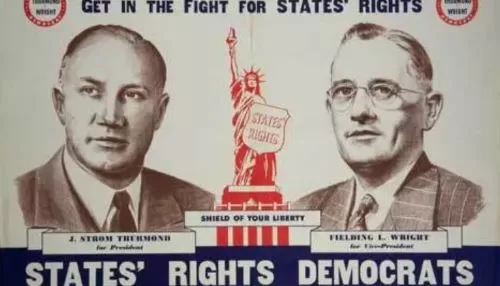
    During the 1960s through the 1990s, many of the most hardline segregationist politicians—often referred to as Dixiecrats—gradually abandoned the Democratic Party and aligned themselves with the Republican Party. At the same time, the Republican Party increasingly adopted political strategies designed to attract white Southern voters who opposed civil rights reforms.

    This shift was not subtle. It was openly discussed by political strategists and historians alike.

    Yet modern conservatives often pretend that none of this happened.

    Instead, they promote a simplified narrative in which the Republican Party “freed the slaves” and therefore cannot possibly bear any responsibility for the racial politics that emerged in the twentieth century. The fact that the ideological descendants of segregationists now overwhelmingly identify as conservative Republicans is conveniently ignored.

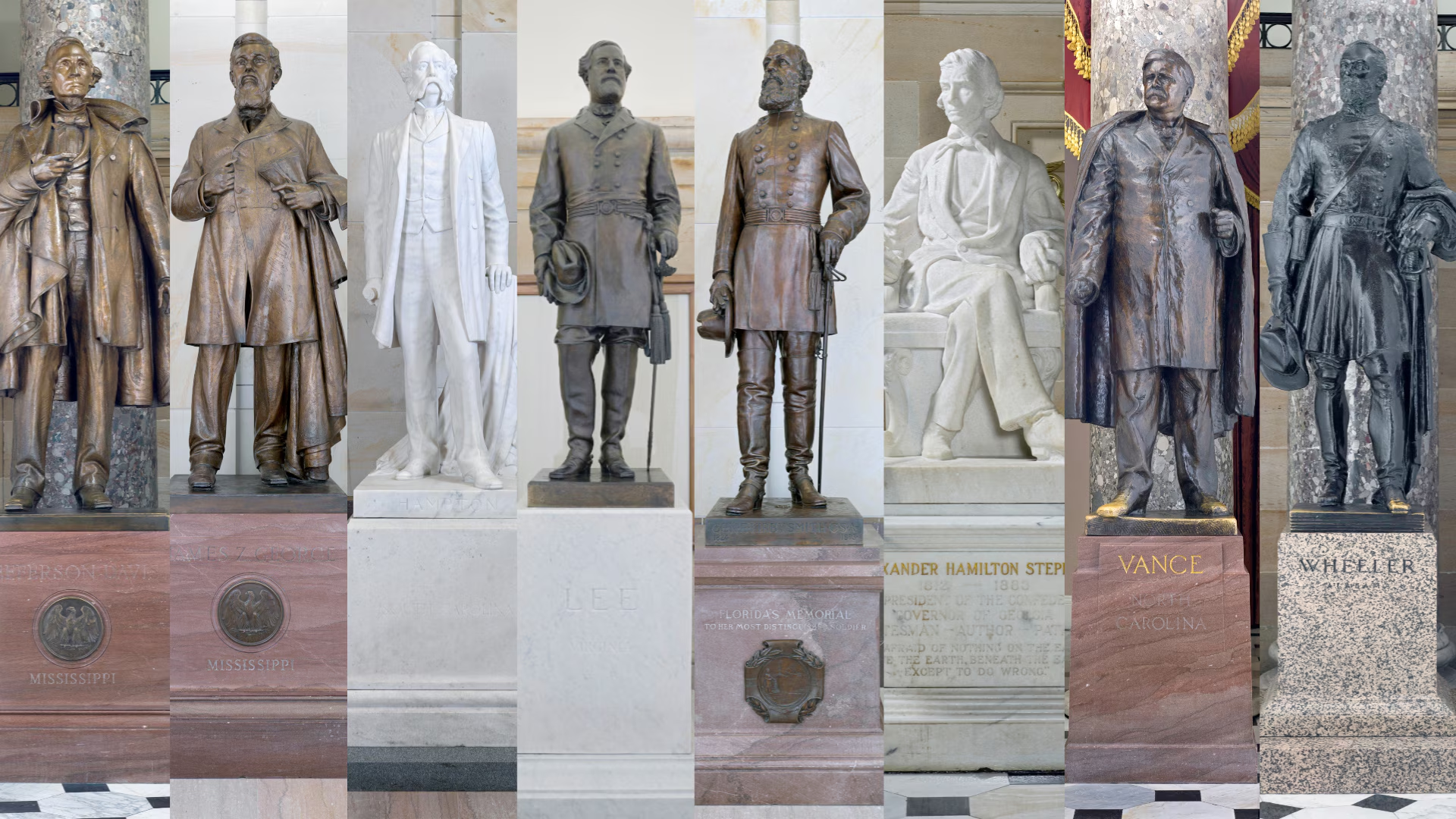
    At the same time, many conservative politicians and commentators openly celebrate figures from the Confederate past while dismissing or ignoring the Republican leaders who actually fought to preserve the Union and end slavery.

    Where are the monuments to Republican generals such as William Tecumseh Sherman or Ulysses S. Grant in the regions that once formed the Confederacy? Why are Confederate leaders, who were Democrats of their time, so often praised in modern conservative political culture?

    The answer is uncomfortable but obvious.

    For many conservatives, the issue has never truly been about party labels. It has always been about political ideology.

    This ideological continuity becomes particularly visible when modern politicians attempt to avoid even the most basic historical truths.

    For example, when asked about the causes of the American Civil War, some contemporary conservative politicians have offered vague explanations about “government,” “freedom,” or “states’ rights,” while carefully avoiding the central issue that historians overwhelmingly agree defined the conflict: chattel slavery.

    Yet the leaders of the Confederacy themselves left no such ambiguity.

    In their own declarations of secession, Southern states repeatedly and explicitly identified the preservation of slavery as the primary reason for leaving the Union.

    The historical record could not be clearer.

    Attempts to obscure that fact are not efforts to promote historical nuance. They are attempts to preserve comforting myths about the past.

    And those myths serve a political purpose.

    By denying the ideological continuity between past and present forms of white supremacist politics, modern conservatives attempt to distance themselves from the legacy of segregation and racial hierarchy while continuing to benefit from many of the political narratives that sustained those systems.

    None of this is to suggest that racism exists exclusively within one political party. Racism has existed across the American political spectrum throughout history.

    But it is impossible to have an honest conversation about American history—or modern American politics—without acknowledging the ideological realignment that reshaped the nation’s two major political parties during the twentieth century.

    History cannot be rewritten simply because it makes some people uncomfortable.

    In fact, the opposite is true.

    Understanding the darker chapters of our past is precisely how societies learn to avoid repeating them.

    Black Americans have long demonstrated that it is possible to love this country while also confronting its historical injustices. Despite centuries of discrimination, violence, and exclusion, Black Americans have served in the nation’s military, represented the country in international competition, and fought relentlessly to expand the promise of American democracy.

    Acknowledging historical injustice does not weaken the country.

    Pretending that those injustices never happened does.

    If Americans truly want to move forward, they must first be willing to tell the truth about where they have been.

  • Policing, Power, and the Battle Over Public Narrative Part 3: Why “Blue Lives Matter” Misses the Point

    Policing, Power, and the Battle Over Public Narrative Part 3: Why “Blue Lives Matter” Misses the Point

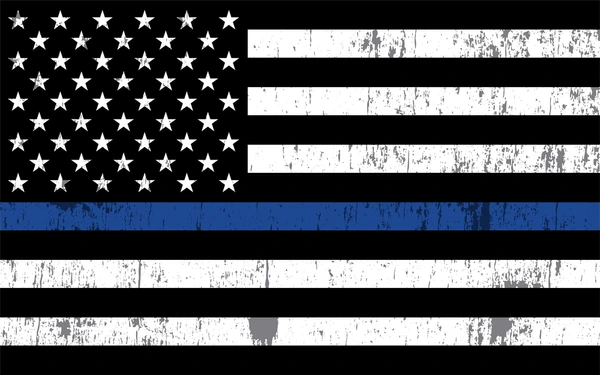
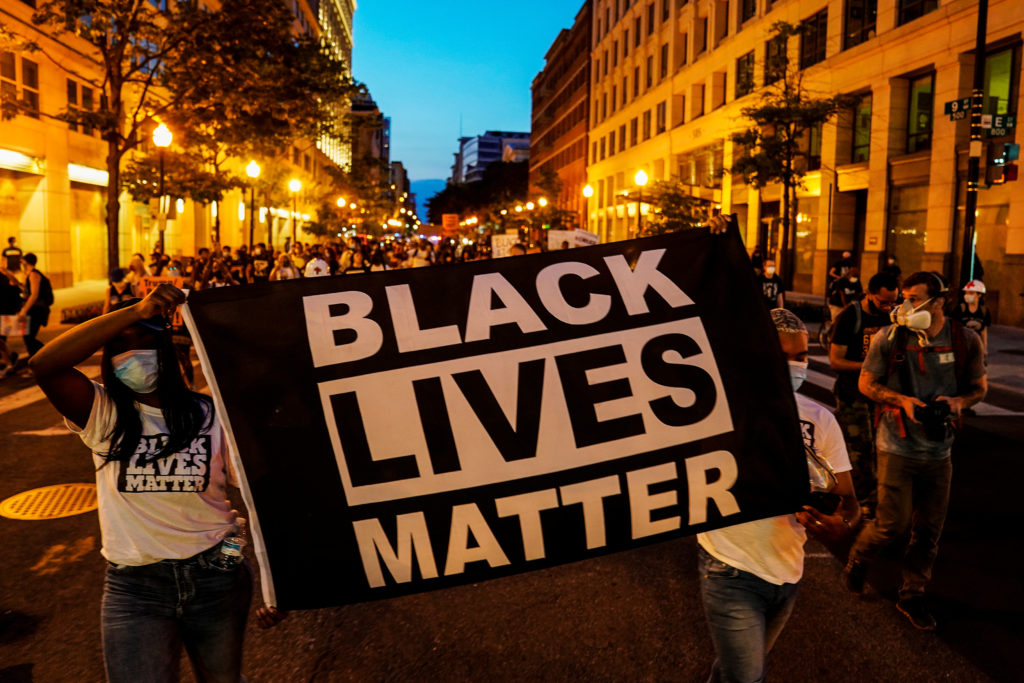
    In response to the Black Lives Matter movement, a new slogan began circulating in political discourse: “Blue Lives Matter.”

    Supporters of the phrase often describe it as a show of solidarity with law enforcement officers. At first glance, that explanation may appear reasonable.

    However, the slogan presents several problems.

    First, policing is a profession, not an identity. Individuals choose to become police officers, while race is an inherent characteristic that people do not choose.

    Second, police officers already receive substantial institutional support and public recognition.

    When an officer is killed in the line of duty, the incident typically receives widespread media attention. Memorial funds are established, funeral services are attended by officials from multiple agencies, and the officer’s name may be added to national memorials honoring fallen law enforcement personnel.

    Numerous organizations also exist specifically to support police officers and their families. These include groups such as:

    • Concerns of Police Survivors (C.O.P.S.)
    • The Fraternal Order of Police Foundation
    • The Officer Down Memorial Page
    • The National Law Enforcement Officers Memorial Fund

    In other words, support systems for police officers already exist and are widely recognized.

    The phrase “Blue Lives Matter,” therefore, does not address a lack of recognition or support for law enforcement. Instead, it emerged primarily as a reaction to the concerns raised by Black Lives Matter.

    Because of this context, many people, including me, view the slogan not as a genuine expression of support for police officers, but as a cynical rhetorical attempt to dismiss the grievances being expressed by those calling for police accountability.

    It is entirely possible to support the idea of law enforcement while also demanding transparency and accountability within policing institutions.

    In fact, those goals are not contradictory. They are mutually reinforcing.

    Public trust in law enforcement grows stronger when citizens believe that misconduct will be taken seriously and addressed fairly.

    Ultimately, the goal should not be to compete over slogans or hashtags. The goal should be to create a justice system that treats every person with equal dignity and respect under the law.

  • Policing, Power, and the Battle Over Public Narrative Part 2: The Myth of a “War on Police”

    Policing, Power, and the Battle Over Public Narrative Part 2: The Myth of a “War on Police”

    One of the most common claims made by critics of the Black Lives Matter movement is that it promotes hostility toward law enforcement or contributes to what some commentators describe as a “war on police.”

    This claim has been repeated frequently in political commentary and media coverage. However, when the available evidence is examined, the narrative becomes far less convincing.

    Statistics from organizations such as the National Law Enforcement Officers Memorial Fund show that the number of police officers killed in the line of duty has generally declined over the past several decades (except for during the peak of the COVID pandemic, when all crimes were spiking).

    Even during the years following the rise of the Black Lives Matter movement, the overall number of officer fatalities has remained historically low compared to earlier periods in American history.

    In other words, the idea that police officers are facing unprecedented levels of violence is not supported by the available data.

    It is also worth noting that the individuals responsible for attacks on police officers come from a wide variety of backgrounds and motivations. Some attacks have been politically motivated, while others were committed by individuals with no connection to any political movement.

    Despite this, critics often attempt to attribute every violent incident involving police officers to the Black Lives Matter movement as a whole.

    This is a logical fallacy.

    Large social movements consist of many individuals and groups with different motivations and beliefs. Holding an entire movement responsible for the actions of isolated individuals is both inaccurate and intellectually dishonest.

    At the same time, when politically motivated violence against police officers has been carried out by individuals associated with far-right ideologies, those incidents are rarely used to condemn conservative political movements as a whole.

    This double standard plays a significant role in shaping the public narrative surrounding policing and protest.

    Criticism of police misconduct is not the same thing as hostility toward police officers. In fact, many people who call for police accountability also believe that effective and professional law enforcement is essential to a functioning society.

    The real issue is not whether police officers deserve support.

    The real issue is whether the institutions responsible for enforcing the law are held accountable when mistakes or abuses occur.

  • Policing, Power, and the Battle Over Public Narrative Part 1: The Origins of “Black Lives Matter”

    Policing, Power, and the Battle Over Public Narrative Part 1: The Origins of “Black Lives Matter”

    In recent years, the phrase “Black Lives Matter” has become one of the most widely discussed and widely misunderstood slogans in American public life.

    To many supporters, the phrase represents a call for accountability and equal justice under the law. To many critics, however, it has been portrayed as anti-police, anti-white, or even anti-American.

    To understand the movement honestly, it is important to start with the basic facts about how it began.

    Black Lives Matter did not emerge from a political think tank, a political party, or a coordinated national organization. Instead, it began as a social media response to a widely publicized case that many people believed represented a failure of the justice system.

    On February 26, 2012, seventeen-year-old Trayvon Martin was shot and killed in Sanford, Florida, by neighborhood watch volunteer George Zimmerman. Martin was unarmed and had been walking back from a convenience store after purchasing a bag of Skittles and a drink.

    Initially, Zimmerman was not arrested. The police accepted his claim of self-defense and released him without charges.

    As news of the case spread across social media, many Americans (particularly Black Americans) viewed the situation as part of a long pattern in which violence against Black people was often minimized or excused.

    Following Zimmerman’s eventual acquittal in 2013, three community organizers, Alicia Garza, Patrisse Cullors, and Opal Tometi, helped popularize the phrase “Black Lives Matter.”

    Garza made a Facebook post which ended in the phrase, “Our lives Matter, Black Lives Matter”. The hashtag and online campaign were born due to that post, and it went viral.

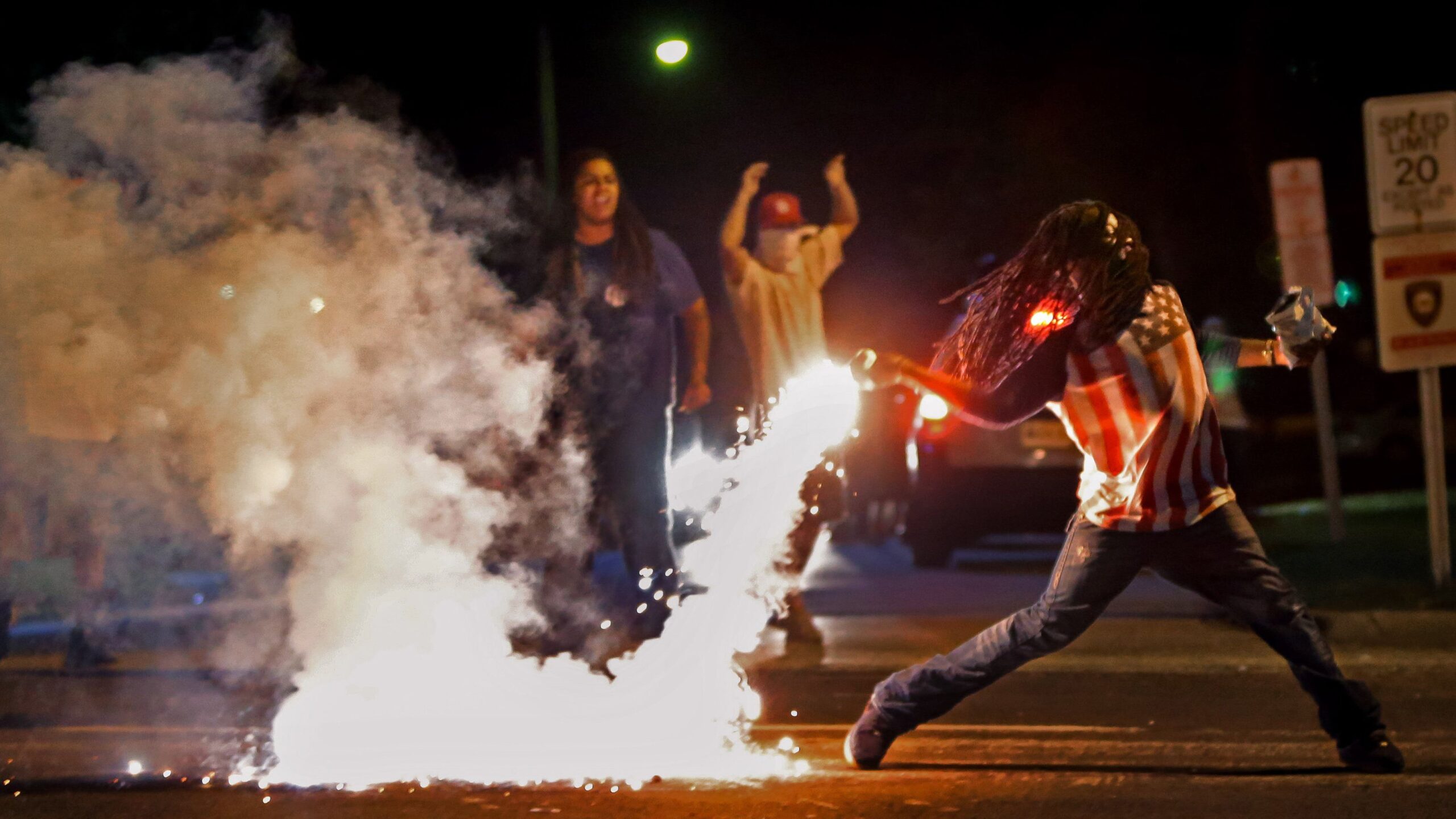
    Black Lives Matter didn’t make it into the national and mainstream public spotlight until the following summer (2014) after the killing of Michael Brown Jr. by Ferguson Officer Darren Wilson. More than one hundred Black Lives Matter protestors came from out of state to Ferguson, Missouri, a suburb of St. Louis, to join the local protests that had been going on immediately after the shooting.

    The phrase was not meant to suggest that other lives do not matter. Instead, it was intended to emphasize a specific concern: that Black lives have historically been treated as less valuable within American legal and social systems.

    In other words, the statement “Black Lives Matter” was not meant to exclude anyone. It was meant to highlight a problem that many people believed had long been ignored.

    The movement that followed was decentralized and loosely organized. It consisted of activists, community leaders, and ordinary citizens who were concerned about issues such as police accountability, racial profiling, and unequal treatment within the criminal justice system.

    Understanding this origin is important because much of the debate surrounding Black Lives Matter today is shaped by narratives that emerged after the movement began — narratives that often bear little resemblance to its original purpose.

  • Why I Still Celebrate Independence Day

    Why I Still Celebrate Independence Day

    Every year on July 4th, Americans celebrate Independence Day with family gatherings, barbecues, and fireworks. For many, it is a day of patriotic pride, a celebration of freedom and the sacrifices made to preserve it.

    But for others, the holiday carries a very different meaning.

    Frederick Douglass once famously asked, “What to the slave is the Fourth of July?” In 1852, his answer was clear: the holiday represented a painful contradiction between America’s ideals and its reality. More than a century later, that question still echoes—but the answer has evolved.

    Critics of Independence Day often point out a painful historical truth: when the United States declared its independence in 1776, the promise of liberty did not apply to everyone. Millions of people were enslaved, Native Americans were being displaced and killed, and women and poor men were excluded from political power.

    The contradiction is obvious.

    The same document that declared, “We hold these truths to be self-evident, that all men are created equal,” was written by Thomas Jefferson, who owned slaves and wrote extensively about his belief in Black inferiority.

    These criticisms are not wrong. They are historically accurate.

    The freedom celebrated on July 4th was originally intended primarily for land-owning white men. Black Americans, Native Americans, women, and many others were excluded from those rights.

    Even during the Revolutionary War, enslaved Black people who sought to fight for the American colonies were often rejected. Meanwhile, the British offered freedom to enslaved people who joined their forces. Later, during the Constitutional Convention, the young nation again refused to confront slavery to maintain unity between Northern and Southern states.

    For these reasons, I understand why some people view Independence Day with skepticism or even contempt.

    But while I sympathize with that perspective, I do not share it.

    Despite the hypocrisy of many of the Founding Fathers, we must also remember another truth: this country was built in large part by the labor, skill, and resilience of enslaved Black people.

    The American colonies became economically powerful through crops such as tobacco, sugar, and rice. These industries made their overwhelming prosperity possible by enslaved labor and agricultural knowledge brought from Africa. In many ways, the wealth that allowed the colonies to rebel against Britain was created by the very people who were denied freedom.

    Our ancestors helped build this country.

    And many of them knew it.

    Throughout the nineteenth century, some white abolitionists supported efforts to relocate free Black Americans to Africa through organizations such as the American Colonization Society. Liberia itself was founded by freed American slaves.

    But many Black Americans rejected that idea. They chose to remain in the United States and fight for their rightful place within the country their ancestors had helped build.

    That is a perspective I share.

    If someone kidnaps you, forces you to build a house, and then tells you that you are free to leave once the work is finished, that does not erase the fact that you helped build the house.

    You have a claim to it.

    I am an American. This is my country.

    The personal beliefs of many of the Founding Fathers matter less to me than the political framework they created. The words they wrote, however imperfectly applied at the time, provided the foundation for later struggles for freedom.

    The ideals expressed in the Declaration of Independence and the United States Constitution were eventually used by abolitionists, civil rights leaders, and countless activists to argue that the nation must live up to its own principles.

    Jefferson may not have meant all people when he wrote that all men are created equal. But that is what he wrote, and those words became powerful tools in the fight for equality.

    The American political system, flawed as it has been, allowed movements for abolition, civil rights, and expanded democratic rights to emerge and reshape the country.

    The fact that I can speak freely today (even critically) about the history and institutions of this country is evidence of that evolution.

    Because of the protections enshrined in the Constitution and the Bill of Rights, I can express my beliefs, criticize injustice, and advocate for change without fear of imprisonment or execution.

    That freedom matters.

    So, when I celebrate Independence Day, I am not celebrating the perfection of the Founding Fathers. I am not celebrating a past that excluded my ancestors.

    What I celebrate is freedom itself.

    The freedom that was denied to my ancestors.

    The freedom that generations of Americans struggled to expand.

    The freedom that remains imperfect, but real.

    This country has a painful history, and it still faces serious challenges. But it is also my home.

    And despite everything, I love it.

    When I celebrate Independence Day, I celebrate the ongoing struggle to make the promise of liberty real for everyone.

    Because the words written in 1776 still matter:

    “We hold these truths to be self-evident, that all men are created equal, that they are endowed by their Creator with certain unalienable Rights, that among these are Life, Liberty and the pursuit of Happiness.”

    May we continue working toward a country where those words apply to all of us.

  • American History Myths #4: The Myth That the Parties Never Realigned

    American History Myths #4: The Myth That the Parties Never Realigned

    One of the most persistent claims in modern political debates is that the Democratic and Republican parties have remained essentially the same throughout American history. According to this argument, the political coalitions and ideologies of the nineteenth century supposedly still define the parties today.

    This claim ignores one of the most well-documented developments in American political history: the gradual ideological realignment of the two major parties from the late nineteenth century through the late twentieth century.

    Following the Civil War, the Republican Party was widely associated with the Union victory and the abolition of slavery. During Reconstruction, Republicans supported many early civil rights measures intended to protect the rights of newly freed Black Americans.

    However, that political commitment weakened dramatically after the Compromise of 1877, which effectively ended Reconstruction. Federal enforcement of civil rights protections collapsed, and white supremacist governments regained control across much of the South.

    For decades afterward, Southern politics was dominated by segregationist Democratic politicians often referred to as Dixiecrats. These politicians supported Jim Crow laws, racial segregation, and policies designed to disenfranchise Black voters.

    But American political coalitions were not static.

    Beginning in the mid-twentieth century, particularly during the Civil Rights Movement of the 1950s and 1960s, many white Southern conservatives began shifting their political allegiance. As national Democratic leaders increasingly supported civil rights legislation, large numbers of segregationist voters and politicians gradually moved toward the Republican Party.

    This transition did not happen overnight. It unfolded over several decades, from the 1960s through the 1980s and even into the early 1990s. Historians and political scientists commonly refer to this process as political realignment.

    The shift can be seen in electoral patterns across the South. States that had reliably voted for Democratic presidential candidates for nearly a century increasingly began supporting Republican candidates. Conservative Southern politicians who once identified as Democrats also began switching parties.

    Despite this well-documented transformation, some modern political commentators attempt to deny that any realignment occurred. Instead, they argue that the parties remain essentially unchanged and that historical responsibility for segregationist politics belongs exclusively to one party.

    But historical evidence tells a more complicated story.

    The ideological divide in American politics has long revolved less around party labels and more around competing views about civil rights, federal power, and social hierarchy. Over time, the political coalitions representing those views have shifted between parties.

    This is why discussions of American political history require careful attention to ideology, region, and historical context, rather than relying solely on party labels.

    Reducing the history of American civil rights struggles to simple partisan talking points obscures the reality of how political coalitions evolve. Understanding that evolution is essential for understanding the political landscape of the United States today.