One of the biggest lessons I keep learning while in Africa is something uncomfortable, but necessary to understand:
In a deeply twisted way, chattel slavery and apartheid in the Western world helped force Africans in the diaspora into a single racialized identity.
The “Black” identity became politically real and socially unavoidable in the Americas and much of Europe. But Africa itself did not historically evolve around that kind of singular identity. And if we are serious about understanding African history, slavery, and even Pan-Africanism, we have to start there.
Africa Is Not a Monolith
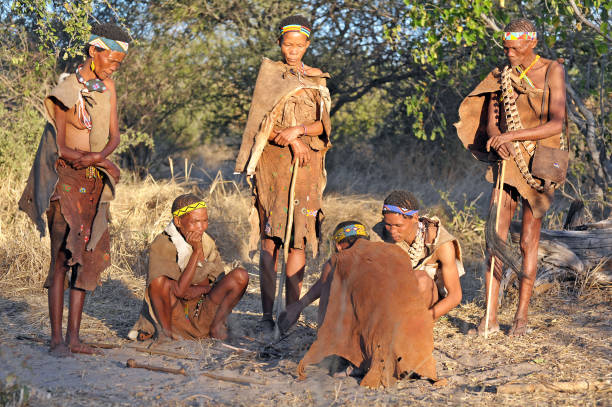
Africa is the most ethnically and genetically diverse continent on Earth. That matters more than most people realize.
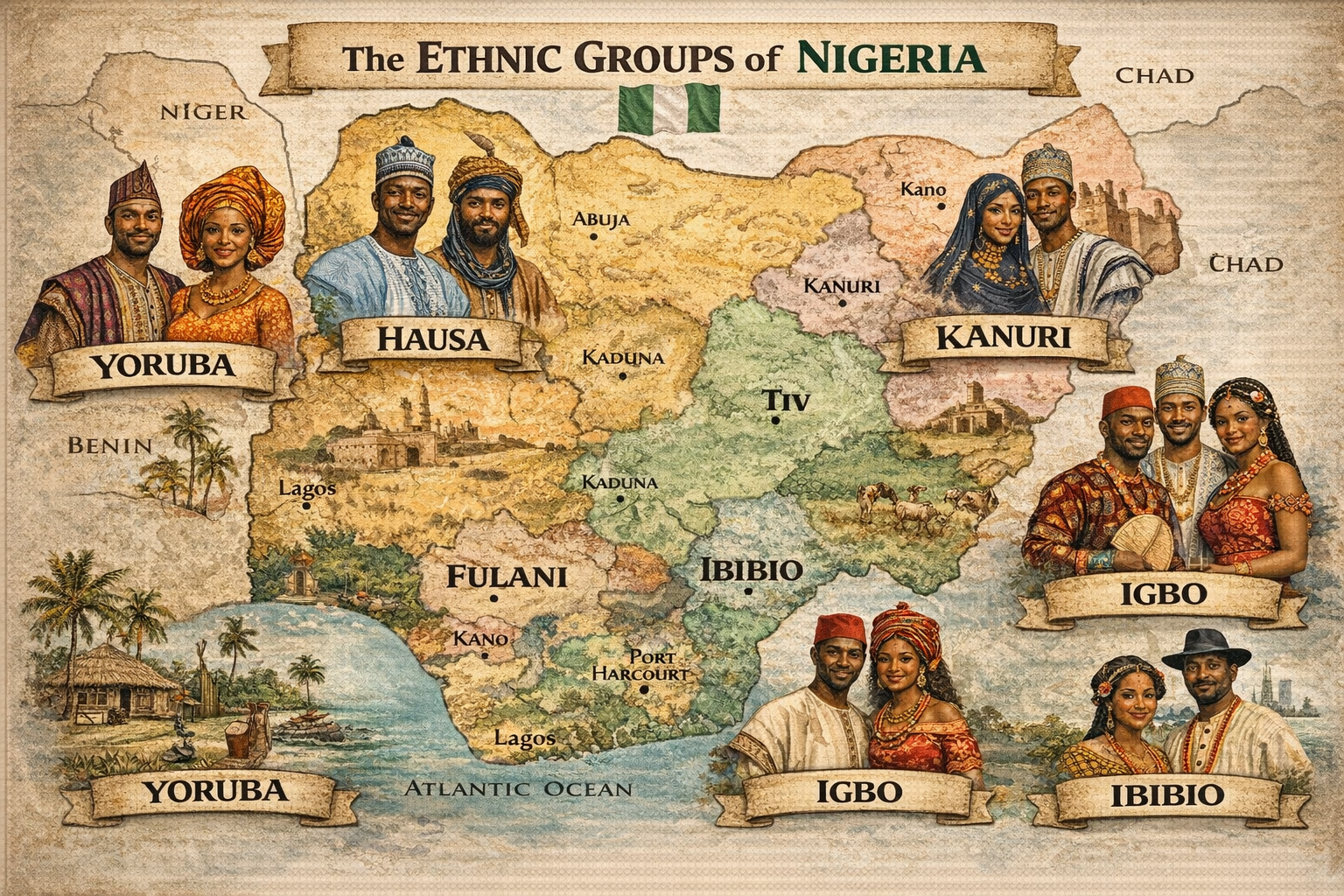
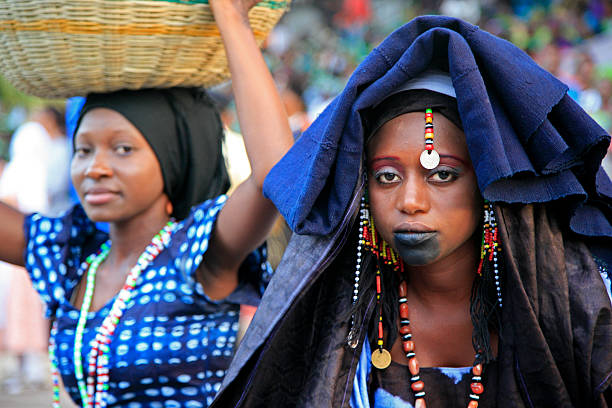
Many people outside the continent talk about “Africans” as if they are one people who are arbitrarily divided by colonial borders. But that is not really how Africa works. Across the continent, and even within individual countries, there exist many different ethnic groups with their own languages, cultures, religious traditions, histories, and political identities.
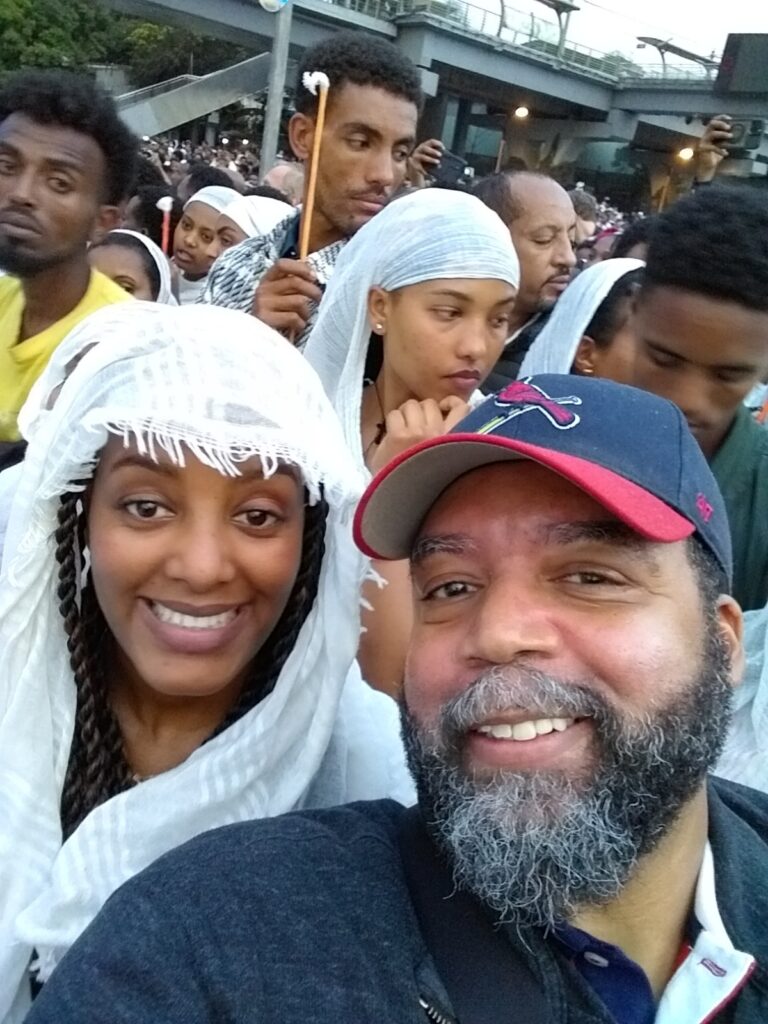
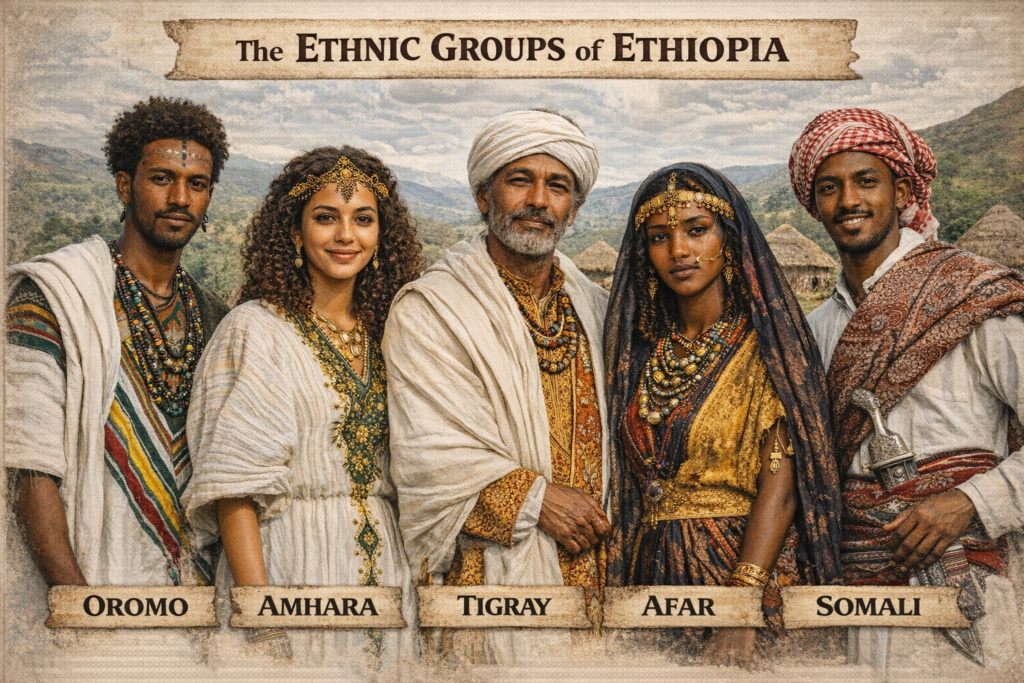
Take Ethiopia as an example. To outsiders, they are all simply “Ethiopian.” But within Ethiopia, people may identify first as Oromo, Tigray, Amhara, Afar, or something else entirely. Those identities are not cosmetic. They are rooted in deep histories, sometimes cooperation, sometimes rivalry, and sometimes conquest. These groups have their own languages, cultures, and histories that may seem similar to outsiders but are very distinct to Ethiopians themselves.
That is one reason why the question, “Why did Africans sell their own people into slavery?” is often framed misleadingly.
In many cases, they did not see the people they were selling as “their own people” in the way we mean that phrase today. That doesn’t excuse it morally, but it does make it historically legible.
A Weird Thought Experiment as a Comparison
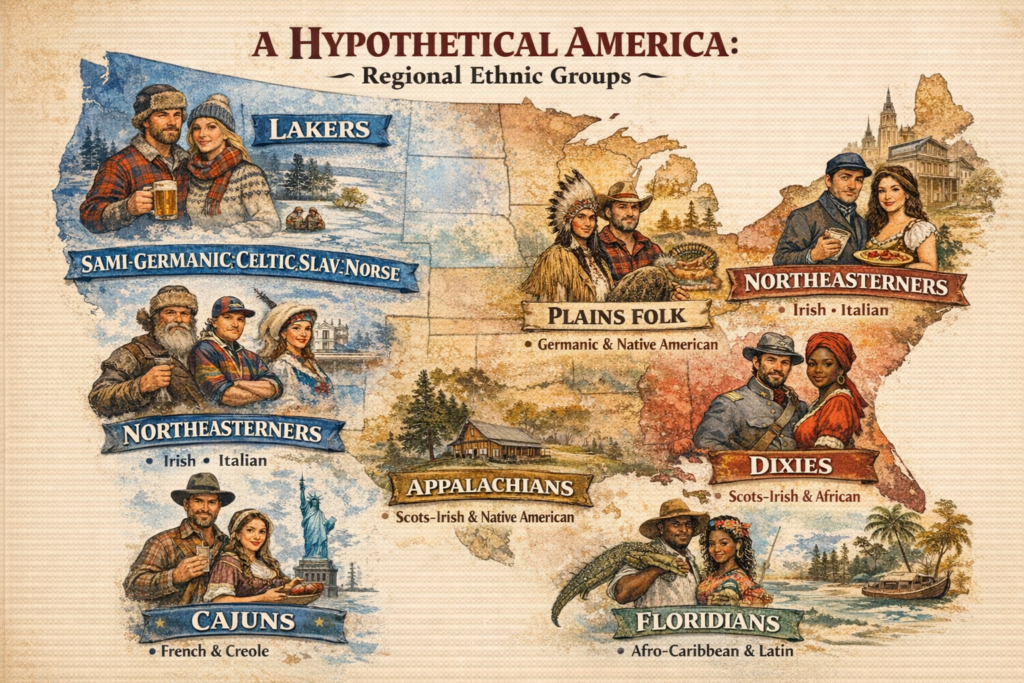
Let’s imagine that the United States is much older than it is. Let’s, in turn, imagine that each region was able to evolve in some isolation for a long time. The Californians will have a different culture and possibly a different language from the Cajuns, the Appalachians, the Lakers to the North, the Dixies, the Floridians, the Plains Folk, the Northeasterners, etc.
Even right now, with all of us identifying as “American”, except with a hyphenated race identifying prefix, we are different people regionally, with different political ideologies.
The Dixies (the people of the Deep South) have ALWAYS been very conservative, religious, and loyal to hierarchical systems, whether it was ruled by Republicans, Democrats, Whigs, Democratic-Republicans, Federalists, Loyalists, or whatever party or faction.
This is different than the Lakers of the eastern parts of the upper Midwest (from Michigan to Minnesota). The Lakers have always been more liberal, regardless of their political party allegiance.
Lakers and Dixies are different.
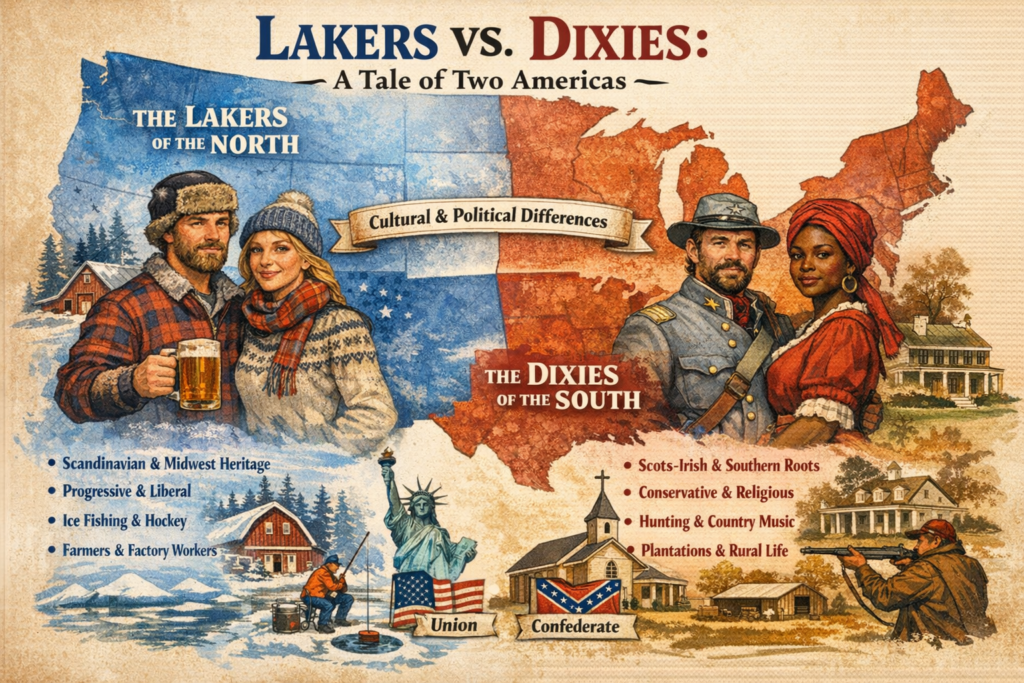
Dixies are the descendants of Scots, Irish, Africans, and Native Americans. Lakers are the descendants of Scandinavians, the French, and Native Americans.
Please keep in mind that this is a weird thought experiment to explain African sentiment.
If the Dixies and Lakers were separated by up to 300K years and have evolved their own languages and customs, then why should we expect them to think of each other as “one people?” If the Dixies and Lakers are different now after only 250 years. Imagine how different they would be after 500 years, 1000 years, 10K years, 50K years, 70K years, 100K years, 150K years, and 300K years. And naturally, the Lakers and Dixies will branch into smaller subgroups and so forth.
A Better Comparison
A better comparison would be asking:
- Why did the Greeks enslave the Macedonians?
- Why did Spartans dominate Athenians?
- Why did rival European peoples conquer one another for centuries?
The answer is simple: they did not see themselves as one people.
That is much closer to how many African societies historically understood themselves. Ethnicity, kinship, language, and political allegiance mattered more than some broad racial solidarity that would only become more meaningful later under European domination.
What Slavery and White Supremacy Changed
For Black people in the diaspora, however, the story was very different.
In the United States, especially, people of African descent were stripped of their original ethnic identities and grouped into a single racial caste. Whether your ancestors were Igbo, Wolof, Mende, Akan, Kongo, or something else became socially irrelevant in a white supremacist society that only saw one category: Black.
That process was violent, dehumanizing, and catastrophic.
But it also produced a single peoplehood forged through oppression. This is something new.
Black Americans today may have major internal cultural differences, such as Gullah, Creole, Black Midwesterners, Black Southerners, Black Northeasterners, and so on. However, we are still socially treated as one people. In that sense, our race had become our ethnicity and historical/cultural marker.
Africa and the Diaspora Are Related, But Not the Same
That is part of what makes the relationship between continental Africans and the diaspora so complicated.
We are connected by ancestry, by history, and by racialization in a white-dominated world. But we are not simply interchangeable. Africans are not automatically “us,” and we are not automatically “them,” at least not in a cultural or ethnic sense.
That doesn’t mean the connection is fake. It means the connection has to be understood honestly.
This is the same for Black Americans, Black Canadians, Black Jamaicans, Afro-Latinos, and other Diasporans. We’ve been separated long enough to have different cultures, different linguistic rules, and different sets of values.
And that honesty matters because it opens the door to a more mature version of Pan-Africanism based not on fantasy, but on political solidarity.
The Future of Pan-Africanism
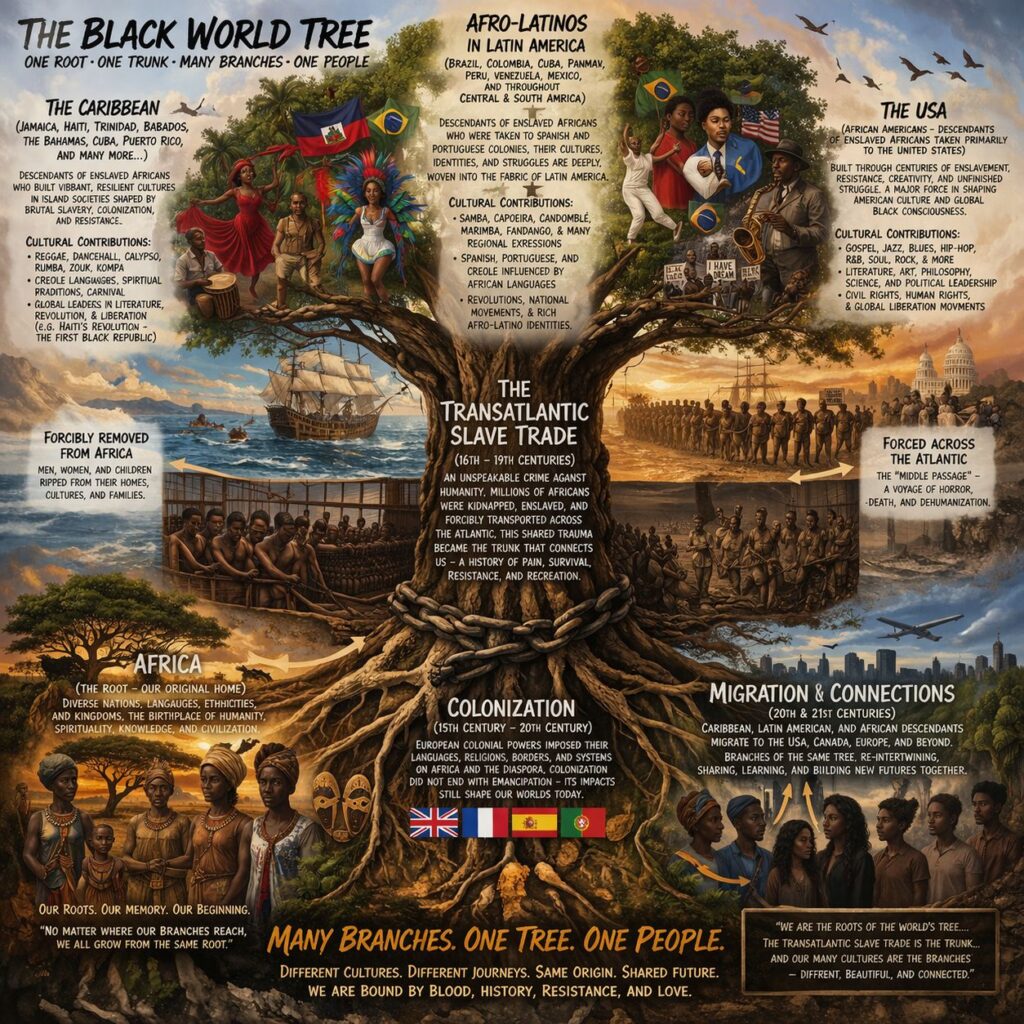
The encouraging thing is that many Africans and people across the diaspora are increasingly embracing a broader consciousness.
More and more people are beginning to see that, whatever their ethnic or national differences, they share a common struggle against White supremacy, neocolonialism, extraction, and domination.
In that sense, Pan-Africanism is not about pretending all Black people are the same. We are not. But neither are White people nor Asians.
It is about recognizing that we do not have to be the same to fight for one another.
That is the challenge and the promise.
Africa does not need to dominate the world. Neither does the diaspora.
The goal is about something much more meaningful than some bullshit race to the top.
Our goal is about self-determination, dignity, cooperation, and the power to shape our own destiny without the aid, supervision, or permission of powerful developed countries run by those of European or Asian descent.
Leave a Reply